
2013 Nissan Altima Power Steering Problems
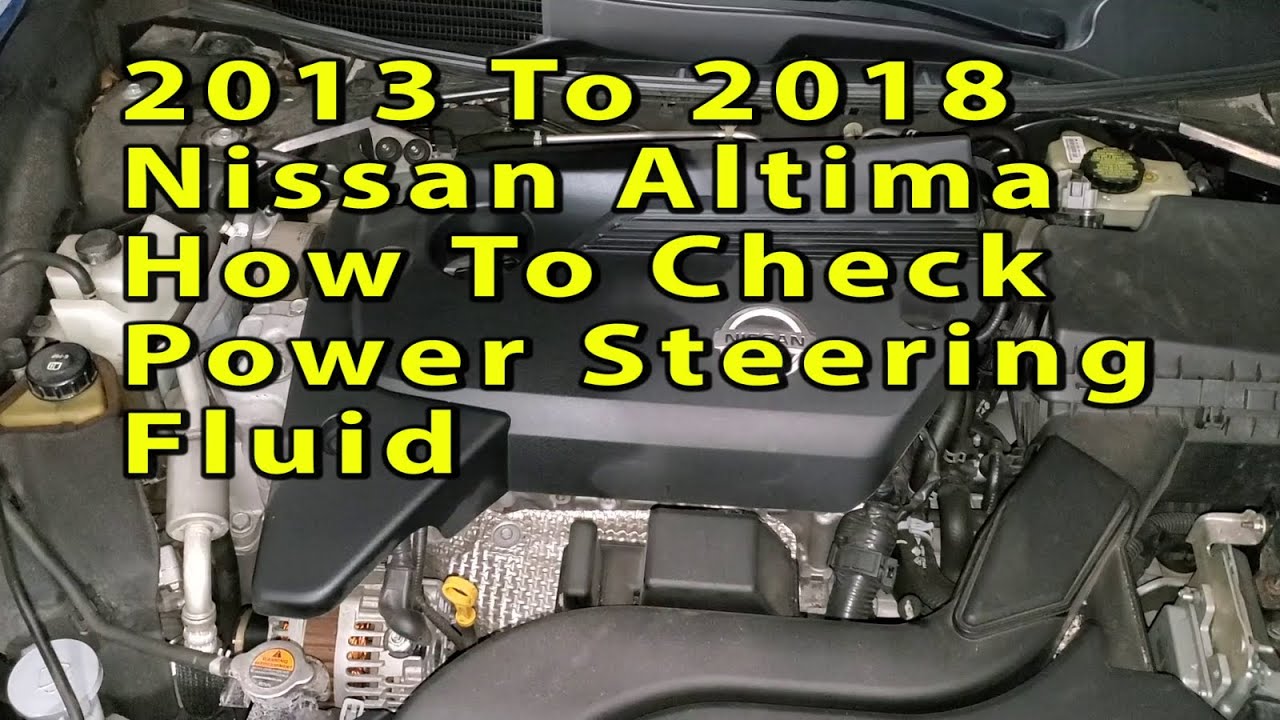
The 2013 Nissan Altima, representing the fifth generation of this popular mid-size sedan, introduced a new chapter in automotive engineering with its adoption of electric power steering (EPS). While EPS systems offer advantages in fuel efficiency and driver assist features compared to traditional hydraulic power steering, they also bring a unique set of challenges. This article delves into the common power steering problems encountered in the 2013 Altima, exploring the underlying causes and potential solutions.
Understanding the 2013 Altima's Electric Power Steering System
Before diagnosing specific issues, it's crucial to understand the fundamental components of the 2013 Altima's EPS system. Unlike hydraulic systems that rely on a pump driven by the engine and hydraulic fluid pressure, the Altima's EPS uses an electric motor to assist steering. Key components include:
- Torque Sensor: Located on the steering column, this sensor detects the driver's steering input (torque applied to the steering wheel).
- Electric Motor: This motor, typically mounted on the steering column or rack, provides the assistance to ease the driver's effort.
- Electronic Control Unit (ECU): The 'brain' of the EPS system. It receives data from the torque sensor, vehicle speed sensor, and other relevant inputs, and then calculates the appropriate amount of motor assist.
- Vehicle Speed Sensor: This sensor provides vehicle speed data to the ECU, allowing the system to adjust the level of assistance based on speed (less assist at high speeds for stability, more at low speeds for maneuverability).
- Steering Angle Sensor: Can be integrated, it gives the ECU information on the position of the steering wheel.
- Wiring Harness and Connectors: These provide the electrical connections between all the components, playing a vital role in the system's reliability.
The EPS ECU uses sophisticated algorithms to determine the required assistance. This allows for variable steering assistance, meaning the system can tailor the level of help based on driving conditions and driver input.
Common Power Steering Problems in the 2013 Altima
Several common power steering issues have been reported in the 2013 Altima. Understanding these problems and their potential causes is the first step in effective troubleshooting:
1. Loss of Power Steering Assist
This is perhaps the most concerning problem. The driver experiences a sudden and complete loss of power steering, making the vehicle significantly harder to steer, especially at low speeds. Several factors can contribute to this:
- Faulty Torque Sensor: If the torque sensor fails, the ECU won't receive accurate information about the driver's steering input. The result is a lack of assistance from the electric motor.This is a frequently reported cause.
- Electric Motor Failure: The motor itself can fail due to wear and tear, electrical issues, or overheating. Motor failure could be indicated by unusual noises before a complete loss.
- ECU Malfunction: A faulty ECU can misinterpret sensor data or fail to control the electric motor properly. ECU failures are less common but possible.
- Wiring and Connector Issues: Corroded or damaged wiring, loose connectors, or broken wires can disrupt the communication between the components. A visual inspection of the wiring harness is crucial.
- Low Voltage: An underperforming battery or charging system can cause voltage drops that negatively impact the EPS. The EPS system is sensitive to voltage fluctuations.
2. Intermittent Power Steering Assist
This issue is characterized by the power steering working sometimes and failing at other times. The problem may be triggered by certain conditions, such as temperature, road vibrations, or turning the steering wheel to a specific angle.
- Loose Connections: A loose connector in the wiring harness can cause intermittent signal loss.
- Torque Sensor Glitches: A torque sensor that is beginning to fail may produce erratic readings, leading to intermittent assist.
- ECU Software Glitches: Occasionally, software glitches in the ECU can cause temporary problems with the EPS system. A reflash of the ECU software may resolve this.
3. Power Steering Warning Light Illumination
The power steering warning light on the dashboard illuminates when the ECU detects a fault in the EPS system. The light might be accompanied by a loss of power steering assist or other symptoms.
- Diagnostic Trouble Codes (DTCs): The ECU stores DTCs when a fault is detected. Retrieving these codes with an OBD-II scanner is essential for diagnosis.
- Sensor Failures: Faulty torque sensors, vehicle speed sensors, or steering angle sensors can trigger the warning light.
- ECU Issues: Problems within the ECU, such as internal failures or corrupted data, can also illuminate the warning light.
4. Noisy Power Steering
While less common than other issues, the 2013 Altima EPS can sometimes exhibit unusual noises, such as whining, grinding, or clicking sounds, especially during steering maneuvers.
- Electric Motor Bearing Wear: Worn bearings in the electric motor can produce a whining or grinding noise.
- Steering Column Issues: Loose or worn components in the steering column can contribute to noises.
- Motor Mounts: If the motor is column mounted, worn mounts can allow the motor to vibrate and cause noises.
Troubleshooting and Diagnostic Procedures
Diagnosing power steering problems in the 2013 Altima requires a systematic approach. Here's a general troubleshooting process:
- Visual Inspection: Start with a thorough visual inspection of the wiring harness, connectors, and other components. Look for signs of damage, corrosion, or loose connections.
- OBD-II Scan: Use an OBD-II scanner to retrieve any stored DTCs. These codes provide valuable clues about the nature of the problem.
- Component Testing: Based on the DTCs and symptoms, test individual components. This may involve using a multimeter to check voltage, resistance, and continuity. Specific testing procedures for the torque sensor, electric motor, and other components can be found in the service manual.
- Voltage Check: Ensure the battery voltage is within the specified range (typically 12.6V or higher with the engine off). Check the charging system voltage while the engine is running (usually 13.5V to 14.5V).
- Software Update: If a software glitch is suspected, consider having the ECU reflashed with the latest software version.
- Professional Diagnosis: If you are unable to diagnose the problem yourself, seek the assistance of a qualified mechanic. A skilled technician can use specialized diagnostic tools and expertise to pinpoint the root cause.
Potential Solutions
The appropriate solution depends on the specific problem identified during the diagnostic process:
- Torque Sensor Replacement: If the torque sensor is faulty, replacing it is usually the best course of action. Ensure you use a high-quality replacement sensor.
- Electric Motor Replacement: If the electric motor has failed, it will need to be replaced. Consider the condition of other steering components at the same time.
- ECU Repair or Replacement: ECU problems may require repair or replacement. In some cases, the ECU can be reprogrammed.
- Wiring and Connector Repair: Repair or replace damaged wiring or connectors. Ensure that connections are clean and secure.
- Battery and Charging System Repair: Address any issues with the battery or charging system to ensure adequate voltage for the EPS system.
- Software Update: Reflashing the ECU with updated software may resolve software-related glitches.
Preventative Maintenance
While EPS systems require less maintenance than hydraulic systems, there are a few things you can do to help prevent problems:
- Maintain a Healthy Battery: A weak battery can strain the EPS system. Ensure your battery is in good condition and properly charged.
- Avoid Prolonged Steering Lock: Holding the steering wheel at full lock for extended periods can overheat the electric motor.
- Regular Inspections: Have your vehicle inspected regularly by a qualified mechanic. They can identify potential problems early on.
The 2013 Nissan Altima's electric power steering system is a complex piece of engineering that blends convenience with potential challenges. By understanding the components, common problems, and troubleshooting procedures, owners and enthusiasts alike can better diagnose and address EPS issues, ensuring a safe and enjoyable driving experience. Remember to always consult the vehicle's service manual for detailed information and specific procedures. Safe driving!