
2013 Nissan Altima Shift Lock Replacement
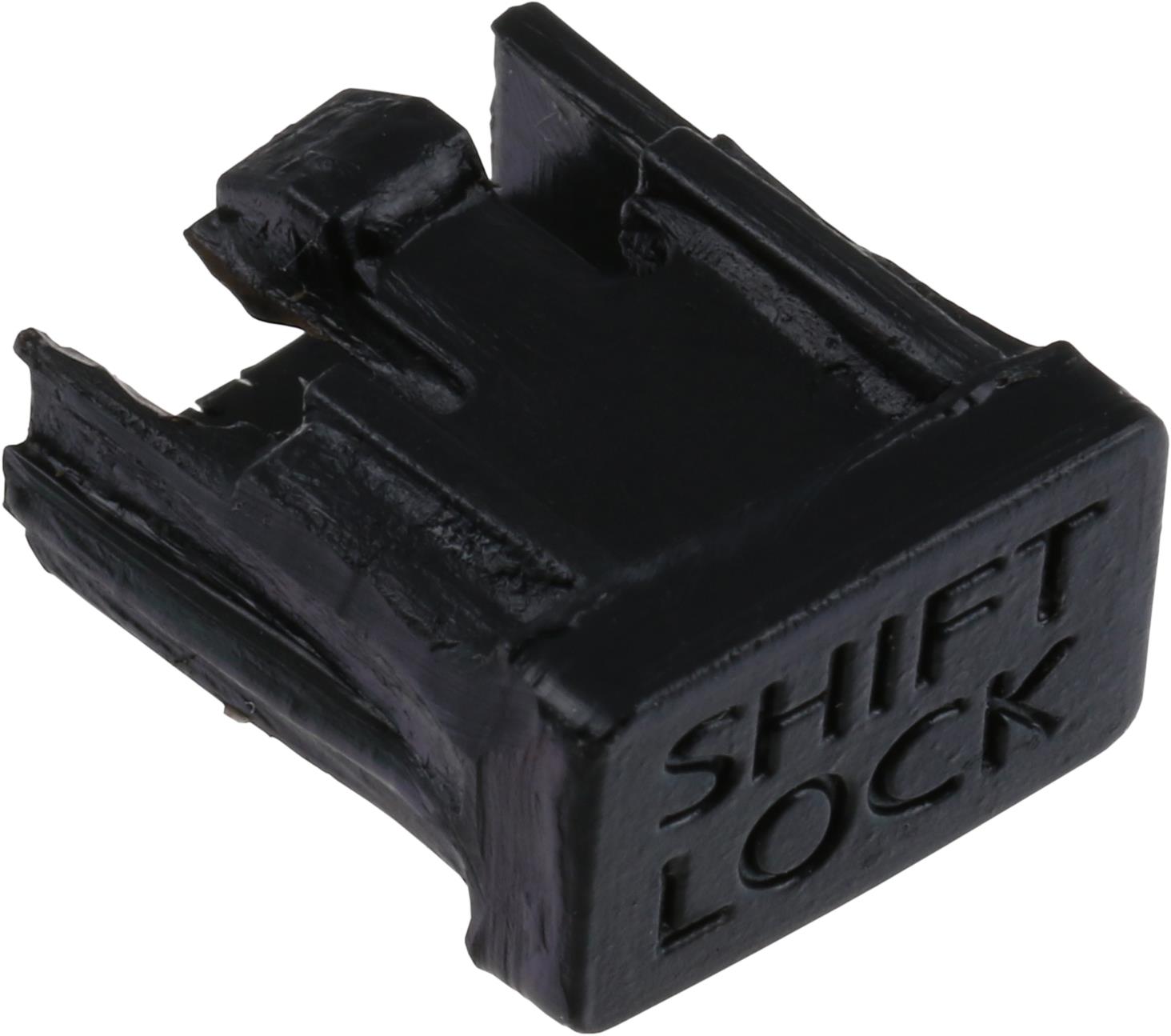
Having trouble getting your 2013 Nissan Altima out of park? You're not alone. A common issue with this model year is a faulty shift lock mechanism. This system is designed to prevent you from shifting out of park unless the brake pedal is depressed, acting as a crucial safety feature. When it malfunctions, it can leave you stranded and frustrated. Let's break down the problem and explore the solutions.
Understanding the Shift Lock Problem
The shift lock system in your Altima is relatively straightforward. When you press the brake pedal, an electrical signal is sent to a solenoid located near the shift lever. This solenoid retracts a locking pin, allowing you to move the shift lever out of the "Park" position. Several factors can cause this system to fail:
- Faulty Brake Light Switch: The brake light switch is often the culprit. If this switch fails, it won't send the signal needed to release the shift lock, and your brake lights may also not illuminate.
- Defective Shift Lock Solenoid: The solenoid itself can become damaged or worn out over time, preventing it from retracting the locking pin.
- Wiring Issues: Damaged or corroded wiring between the brake light switch and the shift lock solenoid can interrupt the electrical signal.
- Shift Lock Override Malfunction: While intended as a temporary fix, even the override system can experience failures.
Ignoring this problem can lead to significant inconvenience and potentially even safety hazards. It's essential to address it promptly.
Diagnosing the Issue
Before jumping to conclusions and replacing parts, it's helpful to do some basic troubleshooting. Here's a step-by-step approach:
- Check Your Brake Lights: Ask someone to stand behind your car while you press the brake pedal. Do the brake lights illuminate? If not, the brake light switch is a prime suspect. Even if only one brake light is out, there might be an issue with the switch.
- Try the Shift Lock Override: Locate the shift lock override button or slot near the shift lever. Refer to your owner's manual for the exact location. Typically, you'll need to insert a key or screwdriver into the slot while pressing the brake pedal to manually release the shift lock. If this works, it confirms that the shift lock mechanism is the problem, but it doesn't pinpoint the exact cause. Use this as a temporary measure only!
- Listen for a Click: With the car in a quiet environment and the engine off, press the brake pedal and listen carefully near the shift lever. You should hear a faint "click" sound, which indicates the shift lock solenoid is activating. If you don't hear this click, the solenoid might be faulty or not receiving power.
- Scan for Error Codes: Using an OBD-II scanner, check for any diagnostic trouble codes (DTCs) related to the brake light switch or transmission system. Common codes associated with this issue might include codes related to the brake switch circuit or the transmission control module.
Important Safety Note: Always chock the wheels and ensure the parking brake is engaged before working on any part of the vehicle's braking or transmission system.
The Solution: Shift Lock Replacement
Based on the diagnosis, the most common solution is to replace the faulty component. Here's a breakdown of the process, focusing on the two most likely culprits: the brake light switch and the shift lock solenoid.
Replacing the Brake Light Switch
This is often the easiest and cheapest fix, so it's a good place to start.
- Locate the Brake Light Switch: The brake light switch is typically located near the top of the brake pedal arm, under the dashboard. You may need to contort yourself a bit to access it.
- Disconnect the Electrical Connector: Carefully disconnect the electrical connector from the brake light switch.
- Remove the Old Switch: Depending on the design, the switch may be threaded or held in place by a clip. Unscrew it or release the clip to remove it.
- Install the New Switch: Install the new brake light switch, ensuring it's properly seated and secured.
- Reconnect the Electrical Connector: Reconnect the electrical connector to the new switch.
- Test the Brake Lights: Have someone check that your brake lights are working correctly.
- Test the Shift Lock: Start the engine and try shifting out of park while pressing the brake pedal. It should now shift smoothly.
Tools Needed: Usually, you'll only need a small flat-head screwdriver (for releasing clips if present), and possibly a wrench or socket depending on the switch design. A flashlight will be very helpful!
Replacing the Shift Lock Solenoid
If the brake light switch replacement doesn't solve the problem, the shift lock solenoid is the next likely candidate. This repair is a bit more involved.
- Disconnect the Battery: Always disconnect the negative terminal of the battery before working on any electrical components. This prevents accidental shorts.
- Remove the Center Console: You'll need to remove the center console to access the shift lock solenoid. The exact procedure varies, but typically involves removing screws and clips. Refer to a repair manual or online video tutorial specific to the 2013 Nissan Altima for detailed instructions. Take pictures as you go to remember where everything goes!
- Locate the Shift Lock Solenoid: The solenoid is usually located near the base of the shift lever assembly.
- Disconnect the Electrical Connector: Disconnect the electrical connector from the solenoid.
- Remove the Old Solenoid: The solenoid may be held in place by screws or clips. Remove them and carefully remove the old solenoid.
- Install the New Solenoid: Install the new solenoid, ensuring it's properly aligned and secured.
- Reconnect the Electrical Connector: Reconnect the electrical connector to the new solenoid.
- Reassemble the Center Console: Reinstall the center console, making sure all screws and clips are properly secured.
- Reconnect the Battery: Reconnect the negative terminal of the battery.
- Test the Shift Lock: Start the engine and try shifting out of park while pressing the brake pedal. It should now shift smoothly.
Tools Needed: You'll need a set of screwdrivers (Phillips and flat-head), a socket set, pliers, and potentially a trim removal tool set to avoid damaging the center console. A repair manual or online video tutorial is highly recommended for this repair.
Approximate Repair Costs
The cost of repairing a shift lock issue can vary depending on whether you do it yourself or take it to a mechanic. Here's a rough estimate:
- Brake Light Switch Replacement (DIY): The brake light switch itself typically costs between $15 and $30.
- Brake Light Switch Replacement (Mechanic): Labor costs can range from $50 to $100, bringing the total cost to around $65 to $130.
- Shift Lock Solenoid Replacement (DIY): The solenoid can cost between $50 and $150. However, be mindful that replacing the shift lock solenoid will probably require additional diagnostic and testing with a multimeter.
- Shift Lock Solenoid Replacement (Mechanic): Labor costs can be significant, potentially ranging from $200 to $400 due to the complexity of removing the center console. The total cost could be between $250 and $550.
These are just estimates. It's always best to get a quote from a reputable mechanic before proceeding with any repairs.
Preventative Measures
While you can't completely prevent a shift lock failure, there are a few things you can do to minimize the risk:
- Regular Vehicle Maintenance: Keep your vehicle properly maintained, including checking and replacing brake lights as needed.
- Gentle Shifting: Avoid forcefully shifting the gear lever. Smooth, deliberate movements can help prevent wear and tear on the shift lock mechanism.
- Address Issues Promptly: If you notice any unusual behavior when shifting, such as difficulty getting out of park, have it checked out by a mechanic as soon as possible.
By understanding the shift lock system and taking proactive measures, you can keep your 2013 Nissan Altima shifting smoothly and safely for years to come. If you're not comfortable performing these repairs yourself, don't hesitate to seek professional assistance. Good luck!