
2013 Nissan Sentra Won't Shift Out Of Park
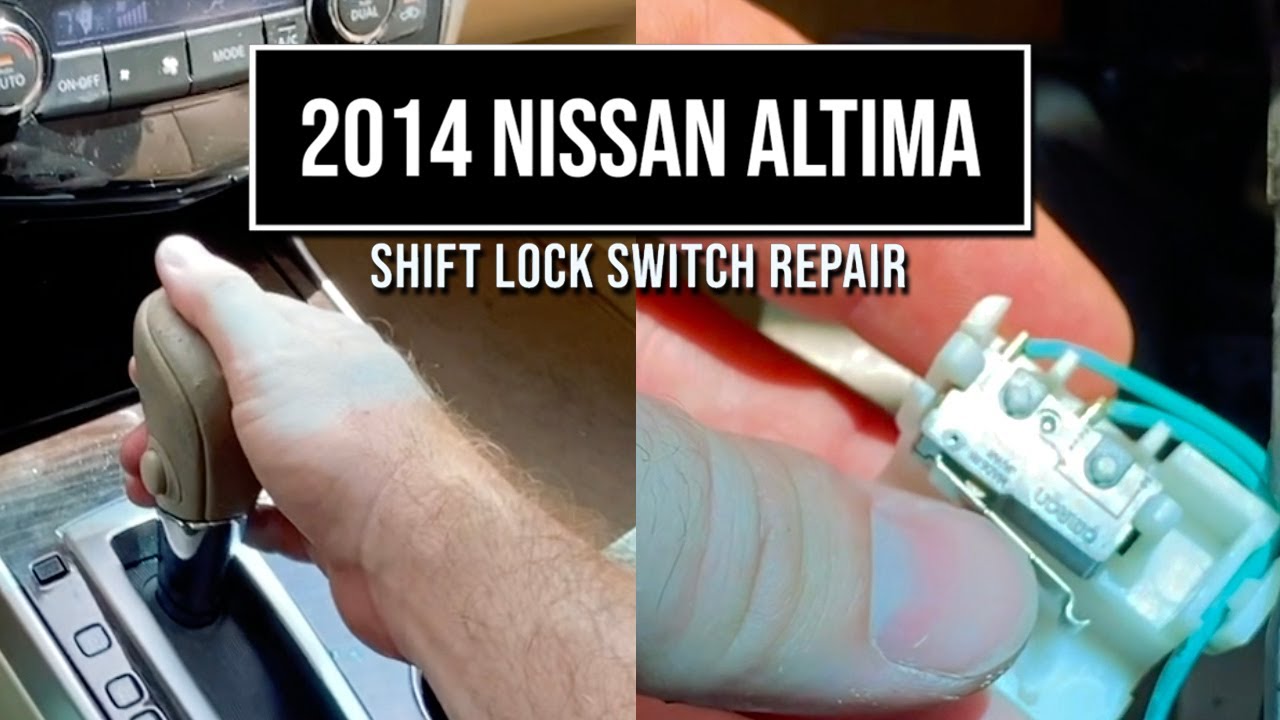
Alright, so your 2013 Nissan Sentra is stuck in Park. Frustrating, I know. This is a common enough problem, and while it could be something serious, there are several things you can check yourself before throwing in the towel and taking it to a shop. Let's walk through the common culprits, starting with the easiest and working our way towards the more complex.
Understanding the Shift Interlock System
First, let's understand the basics. Modern automatic transmissions aren't just controlled by a simple cable anymore. They use an interlock system, designed for safety. This system prevents you from shifting out of Park unless certain conditions are met. Think of it as a safety net – preventing accidental shifts into Drive or Reverse. The key components you should be aware of are:
- Brake Light Switch: This is the most common culprit. It's a simple switch located near the brake pedal that activates when you press the pedal. It sends a signal to the transmission control module (TCM) and allows you to shift out of Park.
- Shift Lock Solenoid: This is an electromagnet (solenoid) that physically locks the shift lever in Park. When you press the brake, the TCM sends voltage to the solenoid, deactivating it and allowing you to move the shifter.
- Transmission Control Module (TCM): The "brain" of the transmission. It receives inputs from various sensors, including the brake light switch, and controls the shift lock solenoid and other transmission functions.
- Shift Cable: This cable physically connects the shift lever in the cabin to the transmission. While less common, it can become stretched, damaged, or disconnected, preventing the transmission from shifting properly.
- Ignition Switch: This is another area of concern where a faulty ignition switch might not fully send the proper signal to the car's system to allow shifting.
Troubleshooting Steps
1. Check the Brake Lights
This is the easiest and most common fix. Have someone stand behind the car while you press the brake pedal. Do the brake lights illuminate? If not, you've likely found your problem.
The Fix: Replacing the brake light switch is usually straightforward. The switch is typically located near the top of the brake pedal arm. Disconnect the wiring harness, unscrew or unclip the old switch, install the new one, and reconnect the harness. Brake light switches are inexpensive and available at any auto parts store. Make sure to get the correct part for your 2013 Nissan Sentra. After replacement, verify the brake lights are working, and then try shifting out of Park.
If the brake lights are working, but the car still won't shift, proceed to the next step.
2. Override the Shift Lock (Shift Lock Release)
Almost every modern automatic transmission has a shift lock release. This is a manual override that allows you to shift out of Park in an emergency. It’s usually a small slot or button near the shift lever. Consult your owner's manual for the exact location on your 2013 Sentra. Typically, you'll need to insert a key or screwdriver into the slot while pressing the brake pedal to release the lock.
Important: If the shift lock release works, it confirms that the shift cable and transmission itself are likely okay. The issue is probably with the electrical system that controls the shift lock solenoid.
3. Inspect the Shift Lock Solenoid
The shift lock solenoid is usually located near the shift lever assembly inside the center console. To access it, you'll likely need to remove some trim panels. Be careful not to break any clips or scratch the plastic. Disconnect the battery before working on anything electrical to avoid any shorts.
Testing the Solenoid: Once you've located the solenoid, check the wiring harness connected to it. Look for any obvious damage, corrosion, or loose connections. With a multimeter, you can test the solenoid for continuity (resistance). A healthy solenoid should have some resistance (typically a few ohms). If you get an open circuit (infinite resistance), the solenoid is likely faulty and needs to be replaced.
You can also try applying 12V directly to the solenoid's terminals (after disconnecting it from the car's wiring harness, of course!). You should hear a distinct "click" as the solenoid activates. If it doesn't click, it's probably dead.
The Fix: Replacing the shift lock solenoid is usually a straightforward bolt-on procedure. Again, make sure you get the correct replacement part for your vehicle.
4. Check the Shift Cable
While less common on newer vehicles, the shift cable can sometimes be the issue. The cable connects the gear shifter to the transmission, and if it gets stretched, broken or disconnected, it can cause the inability to shift. It is important to inspect the connections at both ends of the cable, near the shifter and at the transmission.
The Fix: If the cable has merely become disconnected, reconnecting it could solve the issue. If it is damaged or stretched, replacing it is required.
5. Scan for Diagnostic Trouble Codes (DTCs)
A DTC or Diagnostic Trouble Code can give you clues about what's going wrong in your Sentra. Plug in an OBD-II scanner and look for any codes related to the transmission control system. Common codes might include:
- P0705: Transmission Range Sensor Circuit Malfunction
- P0753: Shift Solenoid A Electrical
- P0758: Shift Solenoid B Electrical
- P0706: Transmission Range Sensor Circuit Range/Performance
These codes can help pinpoint the problem area. For example, a P0753 code suggests a problem with one of the shift solenoids inside the transmission, which is a more complex repair.
6. Transmission Control Module (TCM) Issues
While less frequent, the TCM itself could be the culprit. If you've checked everything else and still have no luck, the TCM might be faulty. However, diagnosing a TCM issue typically requires specialized equipment and knowledge. It's best to take the car to a qualified mechanic for further testing.
7. Ignition Switch Fault
In some instances, a failure in the ignition switch can cause issues with the car not shifting out of park. If this is the case, it will need to be further looked into to see if this could be the culprit.
Tools You'll Need
- Basic Hand Tools: Sockets, wrenches, screwdrivers
- Multimeter: For testing electrical circuits
- OBD-II Scanner: For reading diagnostic trouble codes
- Owner's Manual: For locating the shift lock release and other specific components
Important Considerations
- Safety First: Always disconnect the battery before working on any electrical components. Use jack stands when working under the car.
- Proper Parts: Make sure you get the correct replacement parts for your 2013 Nissan Sentra. Check the part number and vehicle compatibility before purchasing.
- When to Call a Pro: If you're not comfortable working on electrical systems or the transmission itself, it's best to take the car to a qualified mechanic. Transmission repairs can be complex, and it's easy to make things worse if you're not careful.
By following these steps, you should be able to diagnose and potentially fix the "stuck in Park" problem on your 2013 Nissan Sentra. Remember to be patient, methodical, and safe. Good luck!