
2014 Nissan Maxima Transmission Fluid Type
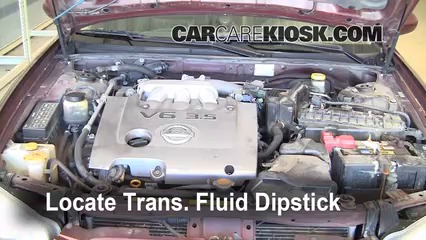
Alright, let's dive into the often-debated, but crucial topic of transmission fluid for your 2014 Nissan Maxima. Getting this right is paramount for the longevity and performance of your CVT (Continuously Variable Transmission). Using the wrong fluid can lead to serious problems, so we're going to break down exactly what you need to know.
Understanding Your 2014 Maxima's Transmission
The 2014 Maxima is equipped with a Jatco CVT (Continuously Variable Transmission). Jatco is a major manufacturer of automatic transmissions, and their CVTs are widely used in Nissan vehicles. Unlike traditional automatic transmissions with fixed gears, a CVT uses a system of pulleys and a belt or chain to provide a seemingly infinite range of gear ratios. This allows the engine to operate at its most efficient RPM, improving fuel economy and offering smoother acceleration.
It's important to note that not all CVTs are created equal, and they are definitely not universally compatible with all types of transmission fluid. Using the wrong fluid in a CVT can cause premature wear, slippage, juddering (shuddering or vibration), and ultimately, complete transmission failure. We can't stress this enough.
The Correct Transmission Fluid: NS-3 CVT Fluid
For your 2014 Nissan Maxima's CVT, the only approved and recommended fluid is Nissan NS-3 CVT Fluid. This is absolutely critical. Nissan designed this fluid specifically for their newer CVTs (including the one in your Maxima) that require a fluid with a lower viscosity.
Viscosity refers to a fluid's resistance to flow. Think of it like this: honey has a higher viscosity than water. NS-3 fluid is formulated to be thinner than its predecessors (like NS-2), allowing it to flow more easily and efficiently within the complex components of your CVT. This optimized flow is essential for proper lubrication, cooling, and hydraulic operation.
Using NS-2 or any other aftermarket fluid claiming "universal" compatibility is a very risky proposition. While some fluids *might* work for a short period, they likely won't provide the correct frictional characteristics or cooling properties, leading to accelerated wear and potential damage.
Part Numbers: Look for Nissan part number 999MP-NS3007 (quart) or 999MP-CV0NS3 (gallon). Always double-check the label to confirm it's specifically designated as NS-3 CVT Fluid. Don't rely on the parts store employee to get it right; verify it yourself.
Why Not NS-2 or Aftermarket Fluids?
The primary reason to avoid NS-2 is its higher viscosity. Older CVTs were designed to handle this thicker fluid, but newer CVTs like yours are not. Using NS-2 in a CVT designed for NS-3 can lead to:
- Reduced Fuel Economy: The thicker fluid creates more drag within the transmission.
- Increased Transmission Temperature: Higher viscosity means more friction, which generates more heat. Excessive heat is the enemy of any transmission.
- Slower Shifting (Simulated Shifts): CVTs don't technically "shift" in the traditional sense, but many newer CVTs simulate gear changes for a more conventional driving feel. Incorrect fluid can disrupt this process.
- Premature Wear: Inadequate lubrication and increased heat accelerate the wear of critical components like the belt, pulleys, and valve body.
As for aftermarket fluids labeled as "universal" or "compatible," proceed with extreme caution. While some might meet basic lubrication requirements, they often lack the specific additives and frictional modifiers needed for optimal CVT performance. CVT operation relies heavily on precisely controlled friction between the belt and pulleys to transfer torque. The wrong fluid can alter these frictional characteristics, leading to slippage and shuddering. The potential savings from using a cheaper aftermarket fluid are rarely worth the risk of damaging your expensive transmission.
Checking Your Transmission Fluid Level
While a complete fluid change is a larger job, checking the fluid level is a relatively simple preventative maintenance task. However, note that the 2014 Maxima doesn't have a traditional dipstick for checking the transmission fluid. You'll need to access the check plug on the side of the transmission.
Procedure:
- Safety First: Ensure the vehicle is parked on a level surface and properly secured with the parking brake. Let the engine cool down completely before attempting this.
- Locate the Check Plug: The check plug is located on the side of the transmission. You might need to remove some underbody panels for access. Consult your service manual for the exact location.
- Remove the Check Plug: Use the correct size wrench or socket to carefully remove the check plug. Be prepared for a small amount of fluid to drain out.
- Check the Fluid Level: The fluid level should be right at the bottom of the check plug opening. If fluid drips out slowly when you remove the plug, the level is generally considered correct. If no fluid comes out, the level is low.
- Adding Fluid (If Needed): If the fluid level is low, you'll need to add NS-3 fluid through the fill plug (located elsewhere on the transmission – again, consult your service manual). Use a funnel and take your time, adding small amounts of fluid and rechecking the level until it reaches the bottom of the check plug opening.
- Reinstall the Check Plug: Once the fluid level is correct, reinstall the check plug and tighten it to the specified torque (consult your service manual).
- Double-Check: After a short drive, recheck the fluid level to ensure it remains correct.
Important Note: This is a simplified overview. Always refer to your vehicle's service manual for detailed instructions and torque specifications. If you're not comfortable performing this procedure, it's best to take it to a qualified mechanic.
Transmission Fluid Change Procedure
Changing your transmission fluid is more involved than checking the level. It typically involves draining the old fluid, replacing the transmission filter (if accessible – some CVTs have an internal filter that's not easily replaced), and refilling with fresh NS-3 fluid. Here's a general overview:
Steps:
- Gather Supplies: You'll need several quarts of Nissan NS-3 CVT Fluid (check your service manual for the exact capacity), a new drain plug washer, tools to remove the drain and fill plugs, a funnel, a drain pan, and gloves. Consider getting a new transmission filter if accessible.
- Warm Up the Transmission: Drive the vehicle for a short period to warm up the transmission fluid. This will help it flow more easily when draining.
- Elevate the Vehicle: Safely raise the vehicle using jack stands. Ensure it is securely supported.
- Locate and Remove the Drain Plug: Find the transmission drain plug (consult your service manual). Place the drain pan underneath and carefully remove the plug. Allow the old fluid to drain completely.
- Replace the Drain Plug Washer: Always replace the drain plug washer with a new one to ensure a proper seal.
- Reinstall the Drain Plug: Tighten the drain plug to the specified torque (consult your service manual).
- (If Applicable) Replace the Transmission Filter: If your transmission has an accessible filter, now is the time to replace it. Follow the instructions in your service manual.
- Locate and Remove the Fill Plug: Find the transmission fill plug (consult your service manual). This is where you'll add the new fluid.
- Add New Fluid: Using a funnel, slowly pour the new Nissan NS-3 CVT Fluid into the fill hole. Refer to your service manual for the correct fluid capacity. It's better to slightly underfill than overfill.
- Check the Fluid Level: Follow the procedure outlined earlier for checking the fluid level using the check plug. Add more fluid as needed until the level is correct.
- Reinstall the Fill Plug: Tighten the fill plug to the specified torque (consult your service manual).
- Lower the Vehicle: Carefully lower the vehicle back to the ground.
- Test Drive: Take the vehicle for a short test drive and check for any leaks.
- Recheck Fluid Level: After the test drive, recheck the fluid level one more time to ensure it remains correct.
Important Considerations:
* The exact procedure and location of drain and fill plugs may vary slightly depending on the specific sub-model of your 2014 Maxima. Always refer to your vehicle's service manual for the most accurate information.
* Disposing of used transmission fluid properly is crucial for environmental protection. Take it to a recycling center or auto parts store that accepts used oil.
* Overtightening the drain or fill plugs can damage the transmission case. Use a torque wrench and follow the specified torque values in your service manual.
When to Change Your Transmission Fluid
Nissan typically recommends changing the CVT fluid in your 2014 Maxima every 30,000 miles under severe driving conditions (frequent stop-and-go traffic, towing, extreme temperatures) or every 60,000 miles under normal driving conditions. However, many experienced mechanics recommend shortening these intervals, especially if you want to maximize the lifespan of your transmission. A good rule of thumb is to consider a fluid change every 30,000-40,000 miles, regardless of driving conditions.
Also, keep an eye out for warning signs that your transmission fluid might need changing. These include:
- Shuddering or Slipping: If you experience any noticeable shuddering or slipping during acceleration, it could be a sign of contaminated or worn-out fluid.
- Delayed Engagement: If there's a delay when shifting into drive or reverse, it could indicate low fluid level or poor fluid condition.
- Dark or Burnt-Smelling Fluid: Transmission fluid should be a light reddish-brown color. If it's dark brown or black and smells burnt, it's definitely time for a change.
- Unusual Noises: Grinding or whining noises coming from the transmission could indicate low fluid level or internal damage.
By understanding the importance of using the correct NS-3 CVT fluid and adhering to a regular maintenance schedule, you can help ensure the long and reliable operation of your 2014 Nissan Maxima's transmission.