
2014 Nissan Pathfinder Catalytic Converter
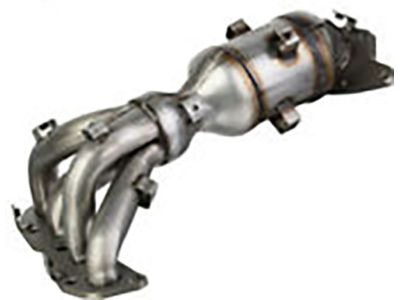
The 2014 Nissan Pathfinder, a popular choice for families seeking a versatile and capable SUV, relies on a sophisticated exhaust system to minimize harmful emissions. At the heart of this system lies the catalytic converter, a crucial component responsible for scrubbing pollutants from the engine's exhaust gases. This article delves into the technical details of the 2014 Pathfinder's catalytic converter, exploring its function, construction, common failure modes, and related diagnostic procedures.
Function and Chemistry: Converting Harmful Gases
The primary role of the catalytic converter is to reduce the levels of three main pollutants produced by internal combustion engines: hydrocarbons (HC), carbon monoxide (CO), and nitrogen oxides (NOx). These gases are harmful to human health and contribute to smog and acid rain. The catalytic converter achieves this reduction through a series of chemical reactions that occur within its core, utilizing precious metal catalysts.
The 2014 Pathfinder employs a three-way catalytic converter. The "three-way" designation refers to its ability to address all three of the aforementioned pollutants simultaneously. Here's a breakdown of the chemical reactions involved:
- Reduction of Nitrogen Oxides (NOx): NOx gases are converted into nitrogen (N2) and oxygen (O2). This reaction is favored by a slightly rich air-fuel mixture (excess fuel).
Example Reaction: 2NOx → N2 + xO2
- Oxidation of Carbon Monoxide (CO): CO is oxidized to carbon dioxide (CO2), a less harmful greenhouse gas. This reaction is favored by a slightly lean air-fuel mixture (excess oxygen).
Example Reaction: 2CO + O2 → 2CO2
- Oxidation of Hydrocarbons (HC): Unburned hydrocarbons are oxidized to carbon dioxide (CO2) and water (H2O). Similar to CO oxidation, this reaction requires sufficient oxygen.
Example Reaction: HC + O2 → CO2 + H2O
These reactions occur simultaneously within the catalytic converter, facilitated by the presence of catalysts such as platinum, palladium, and rhodium. The specific ratios of these metals, as well as the overall design of the converter, are carefully engineered to maximize efficiency and longevity.
Construction and Materials
The 2014 Pathfinder's catalytic converter comprises several key components:
- Substrate: The substrate is the core of the converter and provides a large surface area for the catalytic reactions to occur. It is typically made of a ceramic material, formed into a honeycomb structure. This honeycomb design maximizes the contact area between the exhaust gases and the catalyst while minimizing backpressure. Some converters utilize a metallic substrate, offering improved thermal conductivity and durability, but they are generally more expensive.
- Washcoat: The washcoat is a layer of high-surface-area material applied to the substrate. It is typically composed of alumina (aluminum oxide) and serves as a carrier for the precious metal catalysts. The washcoat increases the effective surface area, further enhancing the catalytic reactions.
- Catalysts: As mentioned previously, platinum, palladium, and rhodium are the primary catalysts used in three-way catalytic converters. Platinum and palladium are primarily responsible for the oxidation reactions (CO and HC), while rhodium is primarily responsible for the reduction of NOx.
- Housing: The housing is a metal enclosure that protects the substrate and catalyst from physical damage. It is typically made of stainless steel to resist corrosion from the harsh exhaust environment. The housing is welded to the exhaust pipes, creating a sealed system.
- Heat Shields: Heat shields are often incorporated into the converter's design to protect surrounding components from the high temperatures generated during operation. These shields are typically made of aluminum or stainless steel and are strategically placed to deflect heat away from vulnerable areas.
The specific materials and construction techniques used in the 2014 Pathfinder's catalytic converter are dictated by factors such as cost, performance requirements, and emissions regulations.
Common Failure Modes and Symptoms
Despite their robust design, catalytic converters are susceptible to failure over time. Several factors can contribute to premature converter failure:
- Contamination: The most common cause of converter failure is contamination from engine oil, coolant, or excessive fuel. These contaminants can coat the catalyst surface, preventing the chemical reactions from occurring. Oil leaks, coolant leaks, and excessively rich air-fuel mixtures can all lead to contamination.
- Overheating: Excessive exhaust temperatures can damage the catalyst and substrate. This can be caused by misfires, lean air-fuel mixtures, or prolonged idling. Overheating can lead to melting or cracking of the substrate, significantly reducing the converter's efficiency.
- Physical Damage: Physical damage from road debris, collisions, or internal engine failures can also damage the converter. Cracks, dents, or breaks in the housing can allow exhaust gases to bypass the catalyst, rendering the converter ineffective.
- Age and Wear: Over time, the catalyst material can degrade, reducing its ability to effectively convert pollutants. This is a natural process that occurs due to the repeated exposure to high temperatures and corrosive exhaust gases.
Symptoms of a failing catalytic converter can include:
- Check Engine Light: The most common symptom is the illumination of the check engine light. Diagnostic trouble codes (DTCs) related to catalytic converter efficiency, such as P0420 (Catalyst System Efficiency Below Threshold - Bank 1), are often stored in the vehicle's computer.
- Reduced Engine Performance: A clogged or damaged converter can restrict exhaust flow, leading to reduced engine power and acceleration.
- Poor Fuel Economy: A failing converter can cause the engine to run less efficiently, resulting in decreased fuel economy.
- Increased Emissions: A failing converter will allow higher levels of pollutants to escape into the atmosphere, which may be noticeable during a smog check.
- Rattling Noise: A damaged or broken substrate can create a rattling noise from the exhaust system, especially when the engine is idling or accelerating.
- Sulfur Smell: A sulfur smell (rotten eggs) from the exhaust can indicate that the converter is overloaded or malfunctioning.
Diagnostics and Testing
Diagnosing a catalytic converter problem typically involves a combination of visual inspection, diagnostic trouble code analysis, and live data monitoring.
- Visual Inspection: A visual inspection can reveal obvious signs of damage, such as cracks, dents, or leaks in the converter housing. It is also important to inspect the surrounding exhaust system for any signs of damage or leaks.
- Diagnostic Trouble Codes (DTCs): Using a scan tool, technicians can retrieve DTCs stored in the vehicle's computer. Codes related to catalytic converter efficiency (e.g., P0420) can indicate a problem with the converter's performance.
- Live Data Monitoring: Monitoring live data from the oxygen sensors located upstream and downstream of the catalytic converter can provide valuable insights into the converter's performance. The downstream oxygen sensor should typically exhibit a relatively stable voltage, indicating that the converter is effectively scrubbing pollutants. Fluctuations in the downstream oxygen sensor signal can indicate a failing converter.
- Exhaust Backpressure Test: An exhaust backpressure test can be performed to check for restrictions in the exhaust system, including the catalytic converter. Excessive backpressure can indicate a clogged or damaged converter.
- Infrared Thermometer: Measuring the temperature difference between the inlet and outlet of the converter using an infrared thermometer can provide an indication of its efficiency. A properly functioning converter should exhibit a significant temperature increase from inlet to outlet.
Important Note: Diagnosing catalytic converter problems requires specialized knowledge and equipment. It is always recommended to consult with a qualified automotive technician for proper diagnosis and repair. Replacing a catalytic converter is a significant expense, so accurate diagnosis is crucial to avoid unnecessary repairs.
Maintenance and Longevity
While catalytic converters are designed to last for many years, proper maintenance can help extend their lifespan. Here are some tips to help maintain the 2014 Pathfinder's catalytic converter:
- Regular Engine Maintenance: Regular engine maintenance, including oil changes, tune-ups, and air filter replacements, can help prevent contaminants from reaching the catalytic converter.
- Address Engine Problems Promptly: Addressing engine problems such as misfires, oil leaks, and coolant leaks promptly can prevent damage to the catalytic converter.
- Avoid Short Trips: Short trips can prevent the catalytic converter from reaching its optimal operating temperature, which can reduce its efficiency and lifespan.
- Use Quality Fuel: Using high-quality fuel can help prevent fuel-related contamination of the catalytic converter.
By understanding the function, construction, and common failure modes of the 2014 Nissan Pathfinder's catalytic converter, owners and enthusiasts can better appreciate this vital component and take steps to ensure its longevity and proper operation. Maintaining a healthy exhaust system is not only essential for environmental protection but also contributes to optimal engine performance and fuel economy.