
2014 Nissan Pathfinder Power Steering Pump
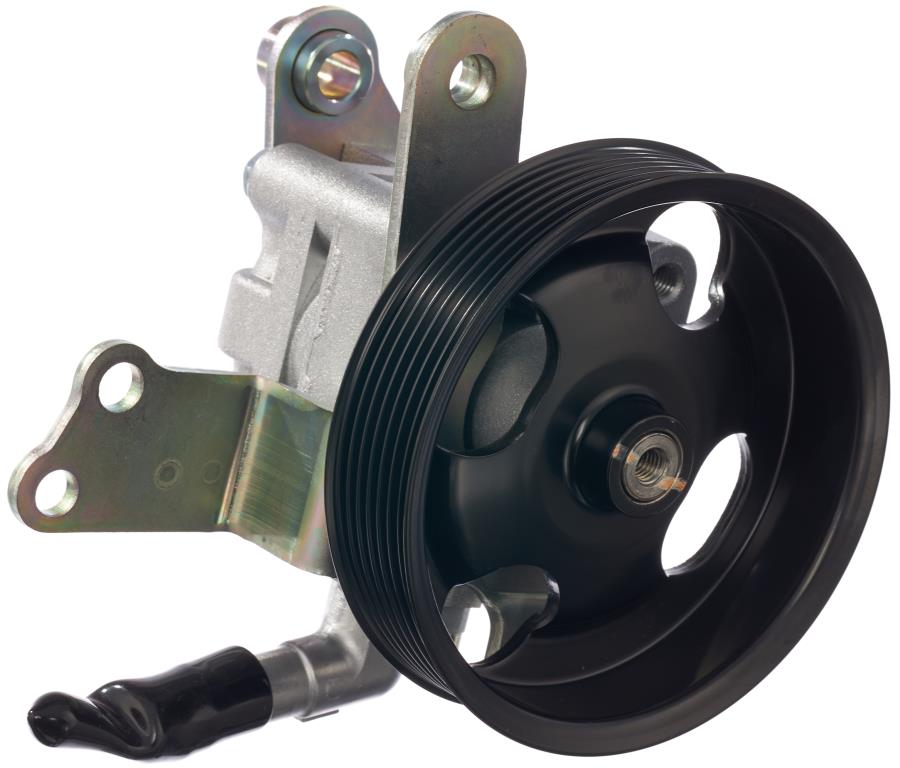
Alright, let's dive into the power steering system of the 2014 Nissan Pathfinder, specifically focusing on the power steering pump. This is a crucial component for effortless steering, and understanding its operation and potential issues is valuable for any DIY mechanic. We'll cover its function, potential problems, diagnostic procedures, and replacement considerations.
Power Steering System Overview
Before getting to the pump itself, let's briefly review the overall power steering system. In the 2014 Pathfinder, you'll find a hydraulically assisted system. This means the pump uses hydraulic pressure to assist the driver in turning the steering wheel. The main components include:
- Power Steering Pump: The heart of the system, it's a vane-type pump driven by the engine's accessory drive belt. It draws hydraulic fluid from the reservoir and pressurizes it.
- Power Steering Reservoir: A container holding the power steering fluid. It usually has a filter to help keep the fluid clean.
- High-Pressure Hose: Carries the pressurized fluid from the pump to the steering gear (steering rack).
- Steering Gear (Rack and Pinion): Contains a rotary valve that directs the pressurized fluid to either side of a piston within the rack, providing steering assistance.
- Low-Pressure Return Hose: Returns the fluid from the steering gear back to the reservoir.
- Power Steering Fluid: The lifeblood of the system. It's a specialized hydraulic fluid formulated for power steering systems and should meet Nissan's specified requirements.
The Power Steering Pump: A Closer Look
The power steering pump in the 2014 Pathfinder is typically a belt-driven, positive-displacement pump. The term "positive-displacement" means that for each revolution, the pump moves a specific volume of fluid regardless of the pressure it's pumping against. This is achieved through a system of rotating vanes inside the pump. Here's a breakdown:
- Pump Body: The housing that contains all the internal components.
- Rotor: A rotating component with slots for the vanes.
- Vanes: Sliding pieces that extend and retract from the rotor slots. As the rotor spins, centrifugal force pushes the vanes outward against the pump housing, creating sealed chambers.
- Cam Ring: An oval-shaped ring inside the pump housing. The varying distance between the cam ring and the rotor causes the vanes to move in and out, creating chambers that increase and decrease in volume.
- Inlet Port: Where fluid from the reservoir enters the pump.
- Outlet Port: Where pressurized fluid exits the pump and travels to the steering gear.
- Flow Control Valve (Pressure Relief Valve): A valve that regulates the maximum pressure the pump produces. If the pressure gets too high (e.g., during hard cornering), the valve opens to bypass some fluid, preventing damage to the system. This is also known as a *pressure relief valve*.
The pump is driven by the engine's accessory drive belt. As the engine runs, the belt spins the pump's pulley, which in turn rotates the rotor. This cyclical expansion and contraction of the chambers created by the vanes draws fluid in through the inlet port and forces it out through the outlet port, creating the hydraulic pressure needed for power steering assistance.
Common Power Steering Pump Problems
Several issues can arise with the power steering pump, leading to reduced or absent power steering assistance. Here are some common problems:
- Pump Failure: The pump can simply wear out over time. The vanes might lose their spring tension, the rotor can become damaged, or the cam ring can wear down. This results in reduced or no pressure output.
- Fluid Leaks: Leaks can occur from the pump housing, seals, or hose connections. Low fluid levels lead to pump cavitation (air bubbles forming in the fluid), which damages the pump and reduces its efficiency.
- Contaminated Fluid: Dirt, debris, or incorrect fluid type can damage the pump's internal components. Contamination can also clog the flow control valve, leading to pressure issues.
- Worn Belt: A worn or slipping drive belt can prevent the pump from spinning at the correct speed, resulting in reduced power steering assistance.
- Clogged Reservoir Filter: A clogged filter restricts fluid flow to the pump, causing cavitation and potential pump damage.
- Flow Control Valve Issues: This valve can stick open or closed, leading to either excessively high pressure or insufficient pressure.
Diagnosing Power Steering Pump Issues
Here's a step-by-step approach to diagnosing potential power steering pump problems in your 2014 Pathfinder:
- Visual Inspection:
- Check the power steering fluid level in the reservoir. Low fluid is a red flag indicating a leak.
- Inspect the pump, hoses, and reservoir for any signs of leaks. Look for wet spots or fluid accumulation.
- Examine the drive belt for wear, cracks, or glazing. Ensure the belt tension is correct. A loose belt can cause slippage.
- Inspect the fluid color. Dark, burnt-smelling fluid indicates overheating and degradation.
- Listen for Noises:
- Whining or groaning noises, especially when turning the steering wheel, often indicate a failing pump or low fluid level. These noises are frequently amplified when the engine is cold.
- A squealing noise might indicate a slipping drive belt.
- Steering Feel:
- Notice any changes in steering effort. Is the steering heavier than usual? Is it intermittent?
- Check for steering wheel vibration or shuddering.
- Pressure Testing (Advanced):
- A power steering pressure tester can be connected to the pump's outlet to measure the pump's output pressure. Compare the measured pressure to the manufacturer's specifications. This is a more advanced diagnostic step and requires specialized equipment.
- A healthy pump should produce a specific pressure at idle and increase with engine RPM. Low pressure indicates a failing pump.
- Flow Testing (Advanced):
- Flow testing assesses the volume of fluid the pump delivers at a specific pressure. A flow meter is required for this test. Low flow indicates a pump problem.
Replacing the Power Steering Pump
If your diagnostics point to a faulty power steering pump, replacement might be necessary. Here's a general outline of the replacement procedure. Always consult your vehicle's service manual for specific instructions and torque specifications.
- Safety First: Disconnect the negative battery cable to prevent electrical shorts.
- Access: Locate the power steering pump. You may need to remove other components to gain access.
- Fluid Removal:
- Use a turkey baster or syringe to remove as much fluid as possible from the power steering reservoir.
- Disconnect the low-pressure return hose from the reservoir and drain any remaining fluid into a container.
- Hose Disconnection:
- Carefully disconnect the high-pressure hose from the pump. Be prepared for some fluid spillage. Use a flare nut wrench to avoid rounding off the fittings.
- Disconnect the low-pressure hose from the pump.
- Belt Removal:
- Loosen the accessory drive belt tensioner and remove the belt from the power steering pump pulley. Make note of the belt routing before removing it.
- Pump Removal:
- Remove the mounting bolts securing the pump to the engine.
- Carefully remove the old power steering pump.
- Installation:
- Install the new power steering pump in the reverse order of removal.
- Torque the mounting bolts to the manufacturer's specifications.
- Attach the high-pressure and low-pressure hoses, ensuring they are properly seated and tightened.
- Reinstall the drive belt and ensure it's properly routed and tensioned.
- Fluid Fill and Bleeding:
- Fill the power steering reservoir with the correct type of power steering fluid to the "COLD" fill line.
- Bleed the system to remove air. With the engine off, turn the steering wheel lock-to-lock several times. Check the fluid level and add more as needed.
- Start the engine and let it idle. Continue turning the steering wheel lock-to-lock, checking for any unusual noises or vibrations. Maintain the fluid level.
- Final Check:
- Inspect for leaks.
- Take the vehicle for a test drive and verify that the power steering is working properly.
Important Considerations:
- Fluid Type: Always use the correct type of power steering fluid specified by Nissan. Using the wrong fluid can damage the pump and other components. Refer to your owner's manual.
- Cleanliness: Keep all components clean during the replacement process to prevent contamination.
- Hose Condition: Inspect the power steering hoses for cracks or damage. Replace them if necessary.
- Belt Tension: Ensure the accessory drive belt is properly tensioned after installation.
- Pump Quality: Consider purchasing a reputable brand of power steering pump. A cheap pump might fail prematurely.
- Flushing the System: When replacing the pump, it's generally a good idea to flush the entire power steering system to remove any contaminants. You can use a power steering flush kit or have a professional perform the flush.
Replacing the power steering pump can be a straightforward task for the experienced DIY mechanic. However, if you're unsure about any step of the process, it's always best to consult a qualified mechanic.