
2014 Nissan Rogue Blower Motor Not Working
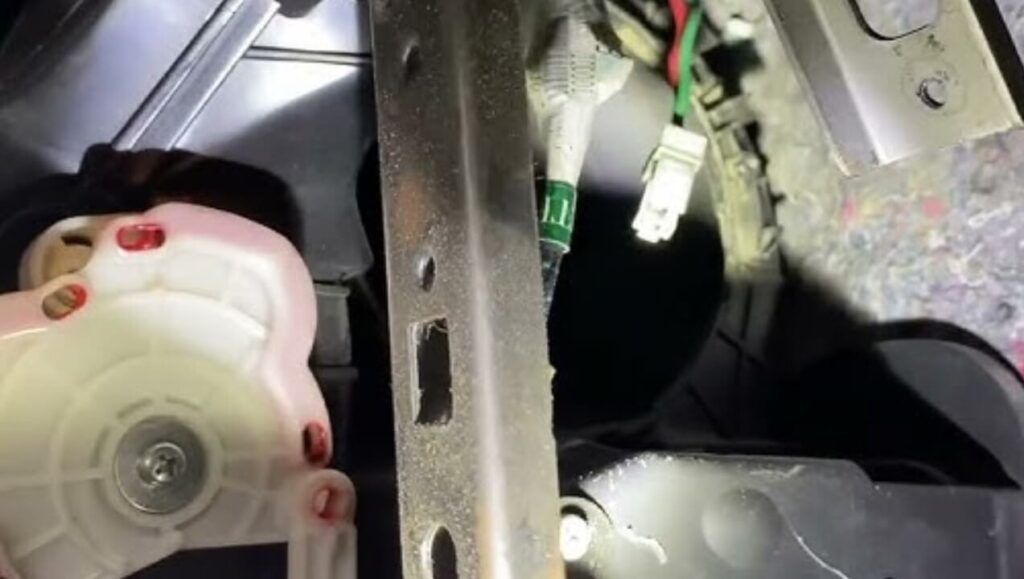
Experiencing a malfunctioning blower motor in your 2014 Nissan Rogue can be frustrating, especially when you need heat or air conditioning. A working blower motor is crucial for maintaining a comfortable driving environment. If you're facing this issue, you're likely searching for answers. This article will guide you through potential causes and troubleshooting steps to help you diagnose and possibly fix the problem yourself, or at least be better informed when seeking professional help.
Understanding the 2014 Nissan Rogue Blower Motor System
The blower motor in your 2014 Nissan Rogue is responsible for circulating air through the vehicle's heating, ventilation, and air conditioning (HVAC) system. When you turn on your AC or heat, the blower motor forces air across the evaporator core (for AC) or the heater core (for heat), distributing cool or warm air into the cabin via the vents.
The system generally consists of the following components:
- Blower Motor: The electric motor that spins the fan.
- Blower Motor Resistor (or Blower Motor Control Module): Controls the speed of the blower motor.
- Fuse(s): Protect the blower motor circuit from overcurrent.
- Relay: Acts as a switch, providing power to the blower motor.
- HVAC Control Panel: Where you select the desired temperature and fan speed.
- Wiring: Connects all the components together.
When the blower motor fails, it can result in several symptoms, including:
- No air blowing from the vents.
- Air only blowing on certain speed settings.
- Unusual noises coming from the blower motor area.
- Intermittent operation of the blower motor.
Common Causes of a Non-Functioning Blower Motor in a 2014 Nissan Rogue
Several factors can contribute to a blower motor malfunction. Here's a breakdown of the most common culprits:
1. Blown Fuse
A blown fuse is often the simplest and most common cause of a blower motor failure. Fuses are designed to protect electrical circuits from overloads. If the blower motor draws too much current, the fuse will blow, cutting off power to the motor. Always check the fuse first!
How to Check: Consult your 2014 Nissan Rogue's owner's manual to locate the fuse box and the fuse specifically designated for the blower motor. Use a fuse puller (if available) or needle-nose pliers to remove the fuse. Inspect the fuse element. If it's broken or blackened, the fuse is blown and needs replacement. Important: Replace the blown fuse with a fuse of the same amperage. Using a higher amperage fuse can damage other components.
2. Faulty Blower Motor Resistor (or Control Module)
The blower motor resistor (or, in some cases, a more sophisticated blower motor control module) controls the blower motor's speed. It works by regulating the amount of voltage supplied to the motor. When the resistor fails, you might find that the blower motor only works on certain speed settings (typically high) or doesn't work at all. Modern vehicles often utilize a control module instead of a resistor, which allows for more precise speed control and often incorporates additional features. These modules are generally more expensive than a resistor.
How to Check: Diagnosing a faulty resistor/module usually requires a multimeter. You can test the resistor/module for continuity and resistance according to your vehicle's repair manual. However, visual inspection can sometimes reveal burnt or corroded components on the resistor/module itself. Often, if the blower only works on the highest setting, the resistor is the culprit. If you suspect a faulty module, a professional diagnosis might be required, as they often require specialized scan tools for testing.
3. Defective Blower Motor
The blower motor itself can fail due to wear and tear, overheating, or internal damage. The motor brushes can wear down, the bearings can seize, or the windings can short out. This is particularly common in older vehicles or vehicles that have been exposed to extreme temperatures.
How to Check: You can try directly powering the blower motor with a 12V power source. Disconnect the blower motor connector and carefully apply 12V directly to the motor terminals (make sure to observe proper polarity – usually, red wire is positive and black wire is negative). If the motor doesn't run or runs weakly, it's likely defective. However, exercise caution when doing this, and always disconnect the vehicle's battery first. Also, check for any debris that might be obstructing the blower motor fan itself.
4. Faulty Relay
A relay is an electromagnetic switch that controls the flow of electricity to the blower motor. If the relay fails, it can prevent power from reaching the motor. This is less common than a blown fuse or a faulty resistor, but still a possibility. Many relays are interchangeable in the fuse box - swap the blower motor relay with a known good relay (like the horn relay) to see if that solves the problem. If it does, the relay is bad.
How to Check: You can test the relay using a multimeter to check for continuity and proper operation. You'll need to consult your vehicle's wiring diagram and the relay's pinout to determine the correct terminals to test. However, as mentioned above, swapping with a known good relay is often the easiest way to diagnose a bad relay.
5. Wiring Issues
Damaged or corroded wiring can also cause a blower motor to stop working. Wires can become frayed, disconnected, or corroded, interrupting the flow of electricity. This could be anywhere in the circuit, from the fuse box to the blower motor itself.
How to Check: Visually inspect the wiring harness and connectors associated with the blower motor. Look for any signs of damage, corrosion, or loose connections. Use a multimeter to check for continuity in the wiring. Pay close attention to ground connections, as a poor ground can also cause problems.
6. HVAC Control Panel Problems
Although less common, a problem with the HVAC control panel itself can prevent the blower motor from functioning. The control panel sends signals to the blower motor resistor/module and relay, telling them to turn on and adjust the speed. If the control panel is faulty, it may not send the correct signals.
How to Check: Diagnosing a faulty control panel often requires specialized equipment and expertise. You might want to consult a professional technician for this type of issue.
Troubleshooting Steps for a 2014 Nissan Rogue Blower Motor Issue
Here's a step-by-step guide to help you troubleshoot the problem:
- Check the Fuse: As mentioned earlier, this is the first and easiest step. Locate the blower motor fuse in your owner's manual and inspect it. Replace if necessary with the correct amperage fuse.
- Check the Blower Motor Resistor/Control Module: Locate the resistor/module (usually located near the blower motor, often under the dashboard on the passenger side) and inspect it for any visible damage. Test it with a multimeter if you have one. Consider replacing it if you suspect it's faulty.
- Check the Blower Motor: Disconnect the blower motor connector and try directly powering the motor with a 12V power source. If the motor doesn't run, it's likely defective.
- Check the Relay: Locate the blower motor relay and try swapping it with a known good relay (e.g., the horn relay). If the blower motor starts working after the swap, the relay is faulty.
- Inspect the Wiring: Visually inspect the wiring harness and connectors for any signs of damage, corrosion, or loose connections. Use a multimeter to check for continuity.
- Consider the HVAC Control Panel: If you've checked everything else and the blower motor still doesn't work, the HVAC control panel may be the issue. This often requires professional diagnosis.
Tools You Might Need
- Screwdrivers (Phillips and flathead)
- Fuse puller or needle-nose pliers
- Multimeter
- 12V power source (e.g., a car battery with jumper cables)
- Wiring diagram for your 2014 Nissan Rogue (available online or in a repair manual)
- Socket set
Safety Precautions
- Disconnect the battery: Before working on any electrical components, disconnect the negative terminal of your vehicle's battery to prevent short circuits and electrical shock.
- Wear safety glasses: Protect your eyes from debris.
- Use caution when working with electricity: If you're not comfortable working with electricity, consult a qualified technician.
- Refer to your owner's manual: Your owner's manual provides valuable information about your vehicle's electrical system and component locations.
When to Seek Professional Help
While some blower motor issues can be resolved with basic troubleshooting, certain situations warrant professional assistance:
- You're uncomfortable working with electricity.
- You're unable to diagnose the problem yourself.
- You suspect a problem with the HVAC control panel.
- You lack the necessary tools or equipment.
A qualified mechanic can accurately diagnose the problem and perform the necessary repairs. They have the experience, expertise, and specialized tools to handle complex electrical issues.
Conclusion
A malfunctioning blower motor in your 2014 Nissan Rogue can be a nuisance, but by understanding the system and following these troubleshooting steps, you can often identify and resolve the issue yourself. Remember to prioritize safety and consult a professional when needed. By systematically checking each component, you can restore comfortable airflow to your vehicle and get back on the road with ease. Hopefully, this article has provided you with a starting point to diagnosing why your 2014 Nissan Rogue blower motor is not working. Good luck!