
2014 Nissan Sentra Transmission Filter Kit
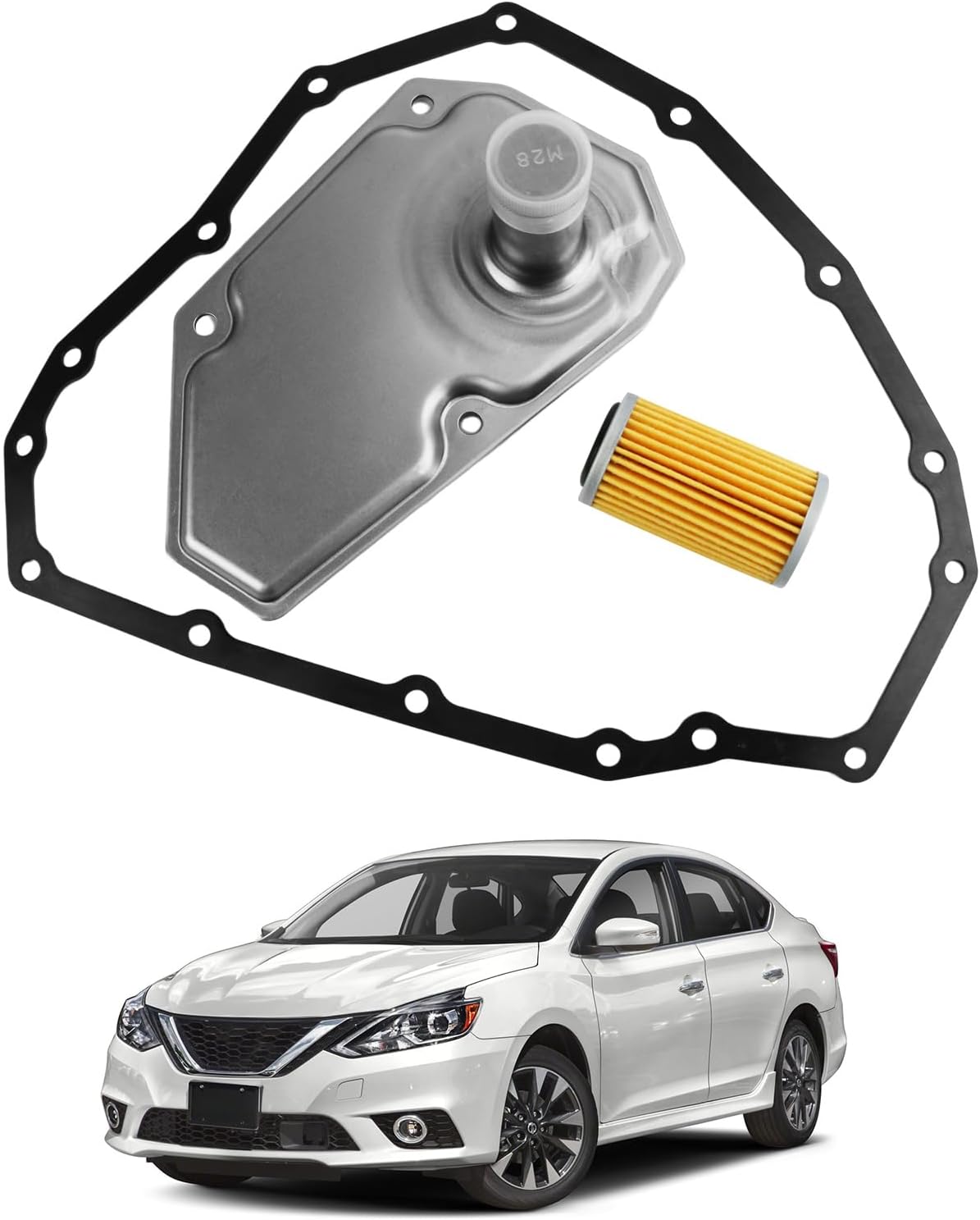
Hey there, Sentra owners! Let's talk about something that's often overlooked but crucial for the long life of your 2014 Nissan Sentra's Continuously Variable Transmission (CVT): the transmission filter. You might not think about it much, but a clean filter ensures smooth shifting and prevents costly repairs down the road. This article aims to help you understand why the filter is important, when to consider replacing it, and what you need to know about the 2014 Nissan Sentra transmission filter kit.
The Importance of a Clean Transmission Filter
Your Sentra's CVT works hard. It's constantly adjusting the gear ratio to provide the best possible fuel economy and performance. This constant shifting generates heat and tiny metal particles from the internal components. These particles circulate within the transmission fluid. The transmission filter is designed to trap these contaminants, preventing them from causing damage to the delicate valves and other internal parts of the CVT. A clogged or dirty filter restricts fluid flow, which can lead to a host of problems.
Think of it like this: your engine oil filter keeps your engine running smoothly by removing debris. The transmission filter does the same for your CVT. Ignoring it can be a very expensive mistake.
Signs Your Transmission Filter Might Need Replacing
How do you know if your transmission filter is causing problems? Here are some common symptoms to watch out for:
- Slipping or erratic shifting: This is one of the most common signs. You might notice the engine revving high before the transmission engages, or the car may hesitate when shifting.
- Rough shifting: Shifts may feel jerky or harsh, instead of smooth and seamless.
- Transmission overheating: A clogged filter restricts fluid flow, leading to increased heat buildup. You might notice the transmission temperature warning light illuminating on your dashboard.
- Unusual noises: You might hear whining or humming sounds coming from the transmission, especially during acceleration.
- Decreased fuel economy: A struggling transmission works harder, which can negatively impact your MPG.
- Check Engine Light: Sometimes, transmission problems will trigger the Check Engine Light. A diagnostic scan will reveal specific trouble codes related to the transmission.
If you experience any of these symptoms, it's crucial to get your Sentra checked by a qualified mechanic. Don't ignore these warning signs, as they could indicate a more serious underlying problem. Ignoring these can lead to major transmission damage.
Understanding the 2014 Nissan Sentra Transmission Filter Kit
For the 2014 Nissan Sentra, replacing the transmission filter typically involves purchasing a transmission filter kit. These kits usually include:
- A new transmission filter.
- A new transmission pan gasket.
- Sometimes, replacement drain plug gaskets or washers.
It's important to purchase a kit specifically designed for your 2014 Nissan Sentra to ensure proper fitment and compatibility. Aftermarket kits are available from various manufacturers. Consider using a reputable brand to ensure quality and reliability. OEM (Original Equipment Manufacturer) filters are often the best choice, although they may be slightly more expensive. Make sure the kit is compatible with the CVT model used in the 2014 Sentra.
Is it Just a Filter, or a Strainer?
One important thing to clarify: often, the "filter" being discussed for the Sentra CVT is actually a strainer. It's a metal mesh screen designed to catch larger debris. It's not a fine paper filter like you'd find in your engine. This means that even a "clean" strainer might still allow very fine particles to circulate. That's why regular fluid changes are so important.
The Replacement Process: DIY or Professional?
Replacing the transmission filter (strainer) on a 2014 Nissan Sentra can be a DIY project for mechanically inclined individuals. However, it's not a simple task. It requires some technical knowledge and specialized tools. If you're not comfortable working on your car's transmission, it's best to leave it to a professional. Here's a breakdown of what's involved:
DIY Approach:
Tools Needed:
- Socket set and wrenches (metric).
- Torque wrench.
- Drain pan.
- Funnel.
- Jack and jack stands.
- Gloves and safety glasses.
- New transmission fluid (Nissan CVT fluid NS-3 is typically required).
- Clean rags.
- Possibly a fluid pump to refill the transmission.
Steps Involved:
- Safety First! Ensure the car is parked on a level surface, the parking brake is engaged, and the wheels are chocked. Allow the car to cool down completely before starting.
- Raise and Secure the Vehicle: Use a jack and jack stands to safely raise the vehicle. Never work under a vehicle supported only by a jack.
- Drain the Transmission Fluid: Locate the transmission drain plug and place the drain pan underneath. Remove the drain plug and allow the fluid to drain completely.
- Remove the Transmission Pan: Carefully remove the bolts holding the transmission pan in place. Be prepared for some residual fluid to spill.
- Remove the Old Filter (Strainer): The filter is typically held in place by a few bolts or clips. Remove it carefully.
- Clean the Transmission Pan: Thoroughly clean the transmission pan, removing any debris or sludge. Inspect the pan for any damage.
- Install the New Filter (Strainer): Install the new filter in the reverse order of removal. Torque the bolts to the manufacturer's specifications.
- Install the New Transmission Pan Gasket and Pan: Install the new gasket onto the transmission pan and carefully reinstall the pan. Torque the bolts to the manufacturer's specifications. Proper torque is crucial!
- Refill the Transmission Fluid: Locate the transmission fill plug (usually on the side of the transmission). Use a funnel (or a fluid pump) to refill the transmission with the correct amount of new Nissan CVT fluid NS-3.
- Check the Fluid Level: Follow the manufacturer's instructions to check the transmission fluid level. This often involves running the engine and checking the level with a dipstick or through a check plug.
- Lower the Vehicle: Carefully lower the vehicle.
- Test Drive: Test drive the vehicle to ensure smooth shifting and proper transmission operation.
- Check for Leaks: After the test drive, check for any leaks around the transmission pan.
Important Considerations for DIY:
- Proper Torque: Using a torque wrench and adhering to the manufacturer's torque specifications is crucial to prevent leaks and damage.
- Fluid Type: Using the correct type of transmission fluid (Nissan CVT fluid NS-3) is essential. Using the wrong fluid can cause serious transmission damage.
- Fluid Level: Overfilling or underfilling the transmission can also cause problems.
- Disposal of Old Fluid: Dispose of the old transmission fluid properly at a recycling center.
Professional Approach:
If you're not comfortable with the DIY approach, it's best to take your Sentra to a qualified mechanic. A professional will have the necessary tools, expertise, and experience to perform the job correctly. They can also diagnose any other potential transmission problems.
Approximate Costs:
- DIY: The cost of the transmission filter kit is usually between $30 and $80. Add to this the cost of the Nissan CVT fluid (NS-3), which can be $15-$25 per quart, and you'll need several quarts. The total DIY cost might range from $100 to $200.
- Professional: Labor costs for a transmission filter replacement typically range from $150 to $300, depending on the shop's hourly rate and the complexity of the job. Including parts and labor, you can expect to pay between $250 and $500 for a professional transmission filter replacement.
Prevention is Key: Regular Transmission Fluid Changes
Replacing the transmission filter (strainer) is just one part of maintaining your CVT. Regular transmission fluid changes are critical to keeping your transmission running smoothly and preventing costly repairs. Nissan recommends specific intervals for transmission fluid changes, which can be found in your owner's manual. Generally, a fluid change every 30,000 to 60,000 miles is a good rule of thumb, but always refer to your owner's manual for the specific recommendation for your 2014 Sentra.
Think of regular fluid changes as preventative maintenance. It's a small investment that can save you a lot of money in the long run. Fresh fluid helps to keep the transmission cool, lubricated, and free of debris. While you're at it, consider asking your mechanic to inspect the transmission cooler and lines for any leaks or damage.
Final Thoughts
Maintaining your 2014 Nissan Sentra's CVT is essential for its longevity. Knowing the symptoms of a clogged transmission filter, understanding the replacement process, and adhering to recommended maintenance schedules can help you avoid costly repairs and keep your Sentra running smoothly for years to come. Whether you choose the DIY route or prefer to leave it to the professionals, remember that regular maintenance is the key to a healthy and happy transmission!