
2015 Nissan Altima Tail Light Replacement
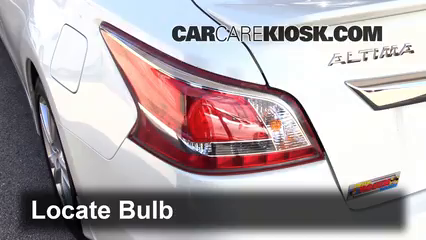
Replacing a tail light on your 2015 Nissan Altima is a repair that many owners can tackle themselves, saving money on labor costs. This guide provides a step-by-step process for safely and effectively replacing your Altima's tail light. While specific procedures may vary slightly depending on the exact trim level, this covers the general process for most 2015 Altima models.
Safety First: Before You Begin
Before diving into any automotive repair, safety should be your top priority. Disconnecting the negative terminal of your car battery is highly recommended. This prevents accidental electrical shorts during the process. Use a wrench to loosen the nut on the negative terminal (usually marked with a "-" symbol), and carefully remove the cable. Tuck the cable away so it doesn't accidentally reconnect. Also, make sure your vehicle is parked on a level surface, the parking brake is engaged, and you have adequate lighting. Wear safety glasses to protect your eyes from debris.
Tools and Materials You'll Need
Gathering your tools and materials beforehand will streamline the replacement process. Here's a list of what you'll likely need:
- New tail light assembly: Make sure it's the correct part for your 2015 Nissan Altima (check your owner's manual or an online parts retailer for the correct part number).
- Socket set: Various sizes, including a 10mm socket (common for tail light bolts).
- Screwdriver: Possibly a Phillips head or a flathead, depending on the specific fasteners.
- Wrench: For disconnecting the battery.
- Panel removal tool (optional, but helpful): These are plastic tools designed to avoid damaging interior panels. A flathead screwdriver can work, but be very careful not to scratch or break anything.
- Gloves (optional): To protect your hands.
- Shop towels: For wiping up any dirt or grime.
- Dielectric grease (optional, but recommended): To protect electrical connections.
Step-by-Step Guide to Replacing Your 2015 Altima Tail Light
Now, let's get to the actual replacement process. The following steps provide a general overview, and slight variations may exist depending on your Altima's specific features.
1. Accessing the Tail Light Assembly
The tail light assembly is typically accessed from inside the trunk. Open your trunk and locate the access panel(s) covering the rear of the tail light housing. These panels are usually held in place by plastic clips, screws, or a combination of both.
- Locate the Access Panel: Look for a carpeted or plastic panel on the inside of the trunk, directly behind the tail light.
- Remove the Fasteners: Use a panel removal tool or a screwdriver to carefully remove any clips or screws securing the panel. If using a screwdriver, be extremely careful not to damage the surrounding plastic.
- Remove the Access Panel: Once the fasteners are removed, gently pull the panel away to reveal the back of the tail light assembly. You may need to wiggle it slightly to dislodge it.
2. Disconnecting the Electrical Connectors
Once you have access to the back of the tail light assembly, you'll see the electrical connectors that provide power to the bulbs. These connectors usually have a locking mechanism that needs to be disengaged before you can pull them apart.
- Identify the Connectors: You'll likely see one or more electrical connectors plugged into the tail light assembly.
- Release the Locking Mechanism: Carefully inspect each connector for a small tab or clip. Press down on the tab or clip to release the locking mechanism.
- Disconnect the Connectors: Once the locking mechanism is released, gently pull the connector straight out. Do not pull on the wires themselves.
- Optional: Label the Connectors: If there are multiple connectors, labeling them with tape before disconnecting can help you remember where they go during reassembly.
3. Removing the Old Tail Light Assembly
Now that the electrical connectors are disconnected, you can remove the tail light assembly from the vehicle. The assembly is typically held in place by bolts or nuts.
- Locate the Mounting Bolts/Nuts: Look for bolts or nuts securing the tail light assembly to the vehicle's frame. They are usually located around the perimeter of the assembly.
- Remove the Bolts/Nuts: Use the appropriate socket to remove the bolts or nuts. Keep track of the hardware, as you'll need it to install the new tail light assembly.
- Gently Remove the Assembly: Once all the bolts/nuts are removed, gently push the tail light assembly from the outside of the vehicle. It may be slightly stuck due to weather stripping or dirt. Wiggling it gently can help to loosen it. Do not force it.
4. Installing the New Tail Light Assembly
With the old tail light assembly removed, you can now install the new one. This is essentially the reverse of the removal process.
- Position the New Assembly: Carefully align the new tail light assembly with the opening in the vehicle's frame.
- Secure the Assembly: Reinstall the bolts or nuts that you removed earlier, tightening them securely. Do not overtighten them, as this could damage the assembly or the vehicle's frame.
- Reconnect the Electrical Connectors: Plug the electrical connectors back into the corresponding sockets on the new tail light assembly. Ensure that the locking mechanisms click into place.
- Apply Dielectric Grease (Recommended): Before connecting the electrical connectors, apply a small amount of dielectric grease to the terminals. This helps to prevent corrosion and ensures a good electrical connection.
5. Testing and Reassembly
Before putting everything back together, it's important to test the new tail light assembly to ensure that it's working correctly. Then, reassemble the access panels.
- Reconnect the Battery: Reconnect the negative terminal of your car battery.
- Test the Tail Lights: Turn on your car's headlights and check that the tail lights, brake lights, and turn signals are all functioning properly. Have someone assist you if necessary.
- Reinstall the Access Panel: Put the access panel back into place and secure it with the clips or screws you removed earlier.
Troubleshooting
If the new tail light isn't working after installation, here are a few things to check:
- Check the Bulbs: Make sure the bulbs are properly seated in their sockets and that they are not burnt out.
- Check the Electrical Connectors: Ensure that the connectors are fully seated and that the locking mechanisms are engaged.
- Check the Fuse: Consult your owner's manual to locate the fuse for the tail lights. If the fuse is blown, replace it with a new one of the same amperage.
- Check the Ground Connection: A poor ground connection can also cause problems. Ensure that the ground wire (usually black) is securely attached to the vehicle's frame.
When to Seek Professional Help
While replacing a 2015 Nissan Altima tail light is a manageable DIY project for many, there are times when it's best to seek professional help. If you are not comfortable working with electrical systems, if you encounter any difficulties during the process, or if you suspect that there may be underlying electrical issues, it's always best to consult a qualified mechanic.
Finding the Right Replacement Tail Light
Getting the correct replacement tail light is crucial for a successful repair. Make sure you specify the correct year (2015), make (Nissan), and model (Altima) when ordering. Also, note whether you need a left (driver's side) or right (passenger's side) tail light. Consider these options for finding a replacement:
- Dealership: Your local Nissan dealership is a reliable source for OEM (Original Equipment Manufacturer) parts, ensuring a perfect fit and quality. However, they may be more expensive.
- Online Parts Retailers: Websites like Amazon, eBay, and RockAuto offer a wide variety of aftermarket and OEM tail light assemblies at competitive prices. Be sure to read reviews and check the seller's reputation before purchasing.
- Auto Parts Stores: Local auto parts stores like AutoZone, Advance Auto Parts, and O'Reilly Auto Parts are convenient for quick purchases and offer knowledgeable assistance.
- Salvage Yards: Used tail light assemblies can be found at salvage yards for a fraction of the cost of new ones. However, inspect the part carefully for any damage before purchasing.
By following these steps and taking the necessary precautions, you can successfully replace the tail light on your 2015 Nissan Altima and save money on labor costs. Remember to prioritize safety and consult a professional if you encounter any difficulties. Good luck!