
2015 Nissan Juke Transmission Problems
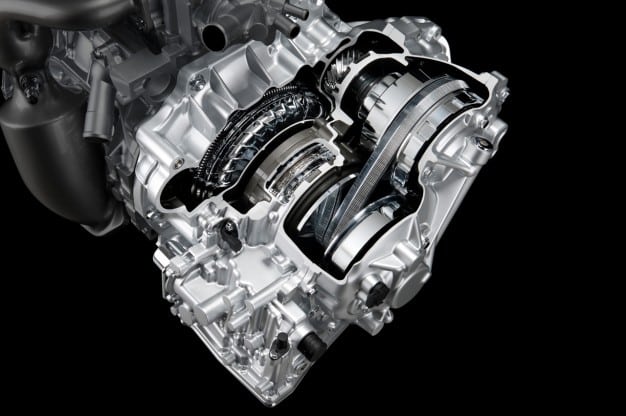
The 2015 Nissan Juke, with its distinctive styling and turbocharged engine, offered a unique driving experience. However, like many vehicles, it's not without its potential issues, particularly concerning the transmission. While not every 2015 Juke will experience these problems, it's crucial for owners and potential buyers to be aware of the common complaints and their possible solutions. This article will delve into the common transmission problems associated with the 2015 Juke, offering insights for diagnosis and repair.
Understanding the Juke's Transmission
Before diving into specific problems, let's briefly discuss the transmission options available in the 2015 Juke. The primary transmission is the Continuously Variable Transmission (CVT), specifically the Jatco CVT7 (JF015E). This transmission is designed for fuel efficiency and smooth acceleration. A manual transmission was also available on some trims, but the CVT is far more prevalent. Our focus here will primarily be on the CVT, as it's the source of the majority of reported transmission issues. The CVT uses a belt-and-pulley system instead of fixed gears to provide a seamless range of gear ratios. This design allows the engine to operate at its most efficient RPM, improving fuel economy.
Common 2015 Juke CVT Problems
Several common issues plague the 2015 Juke's CVT. These problems often manifest as drivability concerns, unusual noises, or outright transmission failure. Understanding these symptoms is the first step in effective troubleshooting.
1. CVT Slippage
Slippage is a frequent complaint. This occurs when the transmission fails to properly transfer power from the engine to the wheels. You might experience:
- Delayed acceleration: Pressing the accelerator pedal results in a sluggish response. The engine revs, but the car doesn't accelerate proportionally.
- Erratic RPM fluctuations: The engine RPMs may surge or drop unexpectedly, even with a constant throttle input. This is often accompanied by a feeling that the car is struggling to maintain speed.
- Lack of power, especially uphill: The vehicle struggles to climb inclines, even at moderate speeds.
Slippage can be caused by several factors, including:
- Worn CVT belt: The belt is the heart of the CVT. Over time, it can stretch, wear down, or develop cracks, leading to slippage.
- Low or contaminated CVT fluid: CVT fluid is crucial for lubrication and proper operation. Low fluid levels or degraded fluid can reduce the clamping force on the belt and cause slippage. Contamination with debris can also damage the internal components.
- Valve body issues: The valve body controls the flow of hydraulic fluid within the transmission. Malfunctioning solenoids or blocked passages can disrupt fluid pressure and lead to slippage.
2. Jerky or Harsh Shifting (Simulated Shifts)
While CVTs are designed for smooth, seamless transitions, the Juke's CVT sometimes exhibits jerky or harsh behavior, especially during simulated shifts (some CVTs are programmed to mimic traditional gear shifts for a more familiar driving feel). This can feel like:
- Abrupt "gear changes": Noticeable jolts or surges during acceleration or deceleration.
- Hesitation or stumbling: A momentary pause or loss of power during transitions.
- Rough downshifts: Particularly when slowing down, the transmission may feel clunky or jarring.
Possible causes for jerky shifting include:
- Software glitches: The transmission control module (TCM) may have software issues that cause erratic behavior. A reflash of the TCM software by a qualified technician may resolve the problem.
- Sensor malfunctions: Faulty sensors, such as the input speed sensor or output speed sensor, can provide incorrect data to the TCM, leading to incorrect shift points and jerky behavior.
- Valve body problems: Again, the valve body plays a critical role in shift quality. Malfunctions can disrupt the smooth flow of fluid and create harsh transitions.
3. Overheating
The CVT generates heat during operation. If the transmission overheats, it can suffer significant damage. Symptoms of CVT overheating include:
- Transmission warning light: The transmission temperature warning light on the dashboard may illuminate.
- Reduced power or limp mode: The vehicle may enter a "limp mode" to protect the transmission from further damage, limiting speed and power.
- Burning smell: A distinct burning odor may be noticeable, indicating overheated transmission fluid.
Overheating can be caused by:
- Low CVT fluid: Insufficient fluid reduces the transmission's ability to dissipate heat.
- Clogged transmission cooler: The transmission cooler is responsible for removing heat from the fluid. A clogged cooler restricts fluid flow and reduces its cooling efficiency.
- Excessive load or towing: Towing heavy loads or driving aggressively can put extra strain on the transmission and generate excessive heat.
4. Whining or Grinding Noises
Unusual noises emanating from the transmission are often a sign of internal damage. These noises may include:
- Whining sound: A high-pitched whine that increases with vehicle speed may indicate worn bearings or a damaged CVT belt.
- Grinding noise: A rough, grinding sound suggests internal component failure, such as damaged gears or bearings.
- Clunking noise: A clunking sound during shifts or acceleration may indicate excessive play in the drivetrain or damaged components.
These noises typically indicate significant internal damage and often require a transmission rebuild or replacement.
Diagnosing Transmission Problems
Proper diagnosis is essential for effective repair. Here's a breakdown of the diagnostic process:
- Check the CVT fluid level and condition: Use the dipstick (if equipped) to check the fluid level. The fluid should be at the proper level and have a bright red or pinkish color. Dark, burnt-smelling fluid indicates degradation. If the fluid is low, inspect for leaks.
- Scan for diagnostic trouble codes (DTCs): Use an OBD-II scanner to retrieve any stored DTCs related to the transmission. These codes can provide valuable clues about the source of the problem. Common codes include those related to input/output speed sensors, gear ratio errors, and valve body malfunctions.
- Perform a visual inspection: Check for any signs of leaks around the transmission case, cooler lines, and axles. Inspect the transmission cooler for damage or blockage.
- Road test the vehicle: Pay attention to the symptoms described above, such as slippage, jerky shifting, and unusual noises. Note when the symptoms occur (e.g., during acceleration, deceleration, or at specific speeds).
- Monitor live data with a scanner: Using a capable scanner, monitor live data from the transmission, such as input and output speeds, CVT fluid temperature, and valve body solenoid activity. This can help identify specific component malfunctions.
Possible Solutions and Repairs
The appropriate repair will depend on the specific problem. Here are some common solutions:
- CVT Fluid Change: A simple CVT fluid change can often resolve minor issues, such as slippage caused by degraded fluid. Use the correct CVT fluid specified for the Juke (typically Nissan CVT Fluid NS-3). Follow the manufacturer's recommended fluid change interval.
- Valve Body Repair or Replacement: If the valve body is malfunctioning, it may be possible to repair it by cleaning and replacing faulty solenoids. However, in some cases, a complete valve body replacement may be necessary.
- Sensor Replacement: Replacing faulty input or output speed sensors can often resolve shifting problems caused by incorrect data.
- CVT Cooler Flush or Replacement: If the transmission cooler is clogged, it can be flushed to remove debris. If the cooler is damaged, it should be replaced.
- TCM Reflash: A software update (reflash) of the TCM can sometimes resolve shifting problems caused by software glitches. This typically requires specialized equipment and should be performed by a qualified technician.
- CVT Rebuild or Replacement: In cases of severe internal damage, a CVT rebuild or replacement may be necessary. A rebuild involves disassembling the transmission, inspecting all components, and replacing worn or damaged parts. A replacement involves installing a new or remanufactured transmission. This is the most expensive option.
Important Note: Working on CVTs requires specialized knowledge and tools. If you're not comfortable performing these repairs yourself, it's best to seek the help of a qualified transmission specialist. Incorrect repairs can cause further damage and void any warranties.
Preventative Maintenance
Regular preventative maintenance can help prolong the life of the Juke's CVT. Follow these tips:
- Change the CVT fluid regularly: Adhere to the manufacturer's recommended fluid change interval (typically every 30,000 to 60,000 miles, depending on driving conditions).
- Avoid aggressive driving: Excessive acceleration, hard braking, and towing heavy loads can put extra strain on the transmission.
- Inspect the transmission cooler regularly: Check for damage or blockage.
- Monitor the transmission temperature: Pay attention to any warning lights or unusual behavior that may indicate overheating.
By understanding the potential transmission problems associated with the 2015 Nissan Juke and following proper maintenance procedures, you can help ensure the longevity and reliability of your vehicle.