
2015 Nissan Pathfinder Cv Axle Replacement
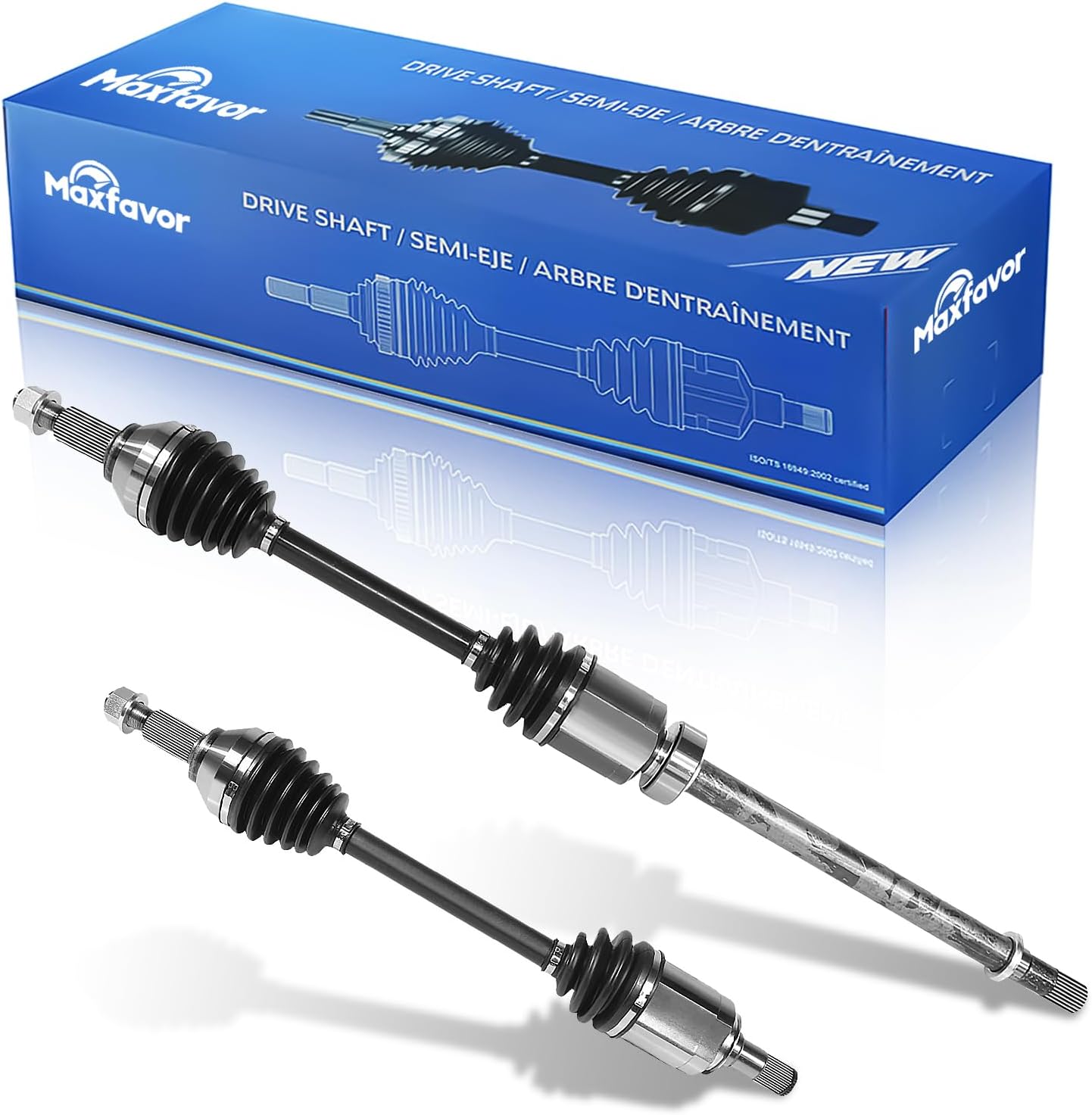
Experiencing a clicking noise when turning, a vibration at certain speeds, or seeing grease splattered on the inside of your wheels while owning a 2015 Nissan Pathfinder? These can be telltale signs of a failing or failed CV (Constant Velocity) axle. Ignoring these symptoms can lead to further damage and potentially leave you stranded. Let's break down the problem and explore the solution – replacing that worn-out CV axle.
Identifying the Problem: Is it Really the CV Axle?
Before diving into the replacement process, it's crucial to confirm that the CV axle is indeed the culprit. Here are some common symptoms to watch out for:
- Clicking or Popping Noise: This is the most common symptom, especially noticeable when making turns at low speeds. The sound usually originates from the side of the vehicle with the failing CV axle.
- Vibration: You might feel a vibration, particularly at higher speeds (around 40-60 mph). This vibration can be subtle at first but will worsen over time.
- Grease on the Inside of Your Wheel: A torn CV boot is a primary cause of axle failure. The boot protects the CV joint from dirt and debris and keeps the grease inside. When torn, grease will be flung outward, coating the surrounding area.
- Shaking While Accelerating: In some cases, a bad CV axle can cause the vehicle to shake during acceleration.
- Clunking Noise: A more severe failure might present as a clunking noise, especially when shifting gears or going over bumps.
While these symptoms strongly suggest a CV axle problem, it's always wise to rule out other potential issues like:
- Wheel Bearings: A worn wheel bearing can also cause noise and vibration. The sound is usually a constant humming or roaring, rather than a clicking or popping.
- Suspension Components: Worn ball joints, tie rod ends, or struts can contribute to vibration and unusual noises. A thorough inspection of these components is recommended.
- Tire Issues: Uneven tire wear, a bulge in the tire sidewall, or an unbalanced tire can also cause vibration.
Diagnostic Tip
A simple test you can perform is to drive in a tight circle in both directions. If the clicking noise is louder when turning in one direction compared to the other, it’s a strong indication that the CV axle on that side is failing.
The Solution: CV Axle Replacement
Replacing a CV axle on a 2015 Nissan Pathfinder is a fairly straightforward process, though it requires some mechanical knowledge and the right tools. If you're not comfortable working on your vehicle, it's always best to consult a professional mechanic. Here's a general overview of the replacement procedure:
Tools and Materials Needed
- New CV Axle (specific to your 2015 Nissan Pathfinder, left or right side)
- Socket Set (metric, including axle nut socket – typically a large size, around 32mm or 36mm, verify before starting)
- Wrench Set (metric)
- Torque Wrench
- Hammer
- Pry Bar
- Punch or Drift
- Jack and Jack Stands
- Wheel Chocks
- Penetrating Oil
- Brake Cleaner
- Grease (for CV axle splines)
- Gloves and Safety Glasses
- Drain pan (for potential oil spillage from the transmission – though usually minimal)
- Shop Rags
Step-by-Step Replacement Guide (General Overview)
- Safety First: Park the vehicle on a level surface, engage the parking brake, and chock the rear wheels.
- Loosen the Axle Nut: Before lifting the vehicle, loosen the axle nut on the wheel of the side you're working on. This nut is usually very tight, so you might need a breaker bar.
- Loosen Lug Nuts: Loosen the lug nuts on the wheel.
- Raise and Support the Vehicle: Use a jack to lift the vehicle and securely place jack stands under the frame rails. Never work under a vehicle supported only by a jack.
- Remove the Wheel: Remove the lug nuts and take off the wheel.
- Disconnect the ABS Sensor: Carefully disconnect the ABS sensor wire from its mounting points to prevent damage.
- Separate the Ball Joint (or Strut): This step allows the hub assembly to swing outward, providing access to the CV axle. This can be done by either:
- Disconnecting the lower ball joint from the control arm. This usually involves removing a nut and using a pickle fork or ball joint separator tool. Be careful not to damage the ball joint boot.
- Disconnecting the strut from the steering knuckle. This typically involves removing two bolts.
- Remove the Axle Nut: Completely remove the axle nut.
- Push the Axle Out of the Hub: Use a hammer and punch (or a brass drift) to gently tap the end of the CV axle inward, pushing it out of the hub bearing. You may need to use penetrating oil if it's stuck.
- Remove the CV Axle from the Transmission/Differential: This is where the removal process varies slightly depending on whether it's the driver or passenger side.
- Driver's Side: The driver's side CV axle usually has a circlip that secures it into the transmission. Use a pry bar to carefully pry the CV axle out of the transmission. Position the pry bar between the transmission case and the inner CV joint housing. Be careful not to damage the transmission seal. A sharp, forceful pry is usually required.
- Passenger's Side: The passenger's side CV axle typically has a carrier bearing bracket that's bolted to the engine block. Remove the bolts holding the carrier bearing bracket in place. Then, use a pry bar to carefully pry the CV axle out of the intermediate shaft (which is connected to the transmission). Again, be careful not to damage any seals.
- Inspect the Transmission/Differential Seal: Once the old CV axle is removed, inspect the transmission/differential seal for any signs of damage or leakage. If the seal is damaged, replace it.
- Install the New CV Axle:
- Apply a thin coat of grease to the splines of the new CV axle.
- Carefully align the splines of the CV axle with the splines in the transmission/differential (and the intermediate shaft on the passenger side).
- Gently push the CV axle into place until the circlip (on the driver's side) snaps into the transmission or the passenger side axle seats fully into the intermediate shaft. You should feel or hear a click.
- If installing the passenger side, re-attach the carrier bearing bracket to the engine block.
- Guide the outer end of the CV axle through the hub.
- Reinstall the Ball Joint (or Strut): Reconnect the ball joint to the control arm or the strut to the steering knuckle, tightening the fasteners to the manufacturer's specified torque.
- Install the Axle Nut: Install the new axle nut and tighten it to the manufacturer's specified torque. This is a very important step, as the axle nut helps to preload the wheel bearing.
- Reconnect the ABS Sensor: Reconnect the ABS sensor wire to its mounting points.
- Reinstall the Wheel: Reinstall the wheel and tighten the lug nuts to the manufacturer's specified torque.
- Lower the Vehicle: Carefully lower the vehicle to the ground.
- Final Tightening: Give the lug nuts a final check.
- Test Drive: Take the vehicle for a test drive and listen for any unusual noises or vibrations.
Important Note: This is a general guide. Always refer to the 2015 Nissan Pathfinder service manual for specific torque specifications and procedures. These specifications are *critical* for ensuring the proper operation and longevity of your vehicle.
After the Repair
After replacing the CV axle, it is recommended to get a wheel alignment. Replacing suspension components can affect alignment angles, and a proper alignment will ensure even tire wear and optimal handling.
Potential Problems and Considerations
- Stuck Components: Rust and corrosion can make it difficult to separate components like the ball joint or the CV axle from the hub. Penetrating oil and patience are your friends.
- Damaged Seals: Be extremely careful not to damage the transmission/differential seal during CV axle removal and installation. A damaged seal will leak fluid.
- Incorrect Torque Specifications: Using the wrong torque specifications can lead to premature wear or even component failure. Always use a torque wrench and consult the service manual.
- ABS Sensor Damage: The ABS sensor is fragile, so handle it with care.
- Circlip Issues: Ensure the circlip on the driver's side CV axle is properly seated in the transmission. If it's not, the axle can pop out.
Cost Breakdown
The cost of replacing a CV axle on a 2015 Nissan Pathfinder can vary depending on several factors:
- Parts: The cost of a new CV axle typically ranges from $100 to $300, depending on the brand and quality. Aftermarket axles are generally cheaper than OEM axles.
- Labor: If you choose to have a professional mechanic perform the replacement, labor costs can range from $150 to $400 per axle, depending on the shop's hourly rate.
- Alignment: A wheel alignment typically costs between $75 and $150.
Estimated Total Cost: You can expect to pay anywhere from $250 to $850 (or more) to have a CV axle replaced on your 2015 Nissan Pathfinder. DIY replacement will obviously save on labor costs.
Is it a DIY Job?
Replacing a CV axle is a task that requires moderate mechanical skill and the right tools. If you're comfortable working on cars, have the necessary tools, and are willing to follow instructions carefully, you can probably handle it. However, if you're not confident in your abilities, it's best to leave the job to a professional. A mistake can lead to further damage or even a safety hazard.
By understanding the symptoms, the replacement process, and potential costs, you can make an informed decision about how to address a failing CV axle on your 2015 Nissan Pathfinder. Don't delay repairs – a failing CV axle can worsen over time and potentially lead to more expensive problems down the road. Safe driving!