
2015 Nissan Versa Transmission Replacement
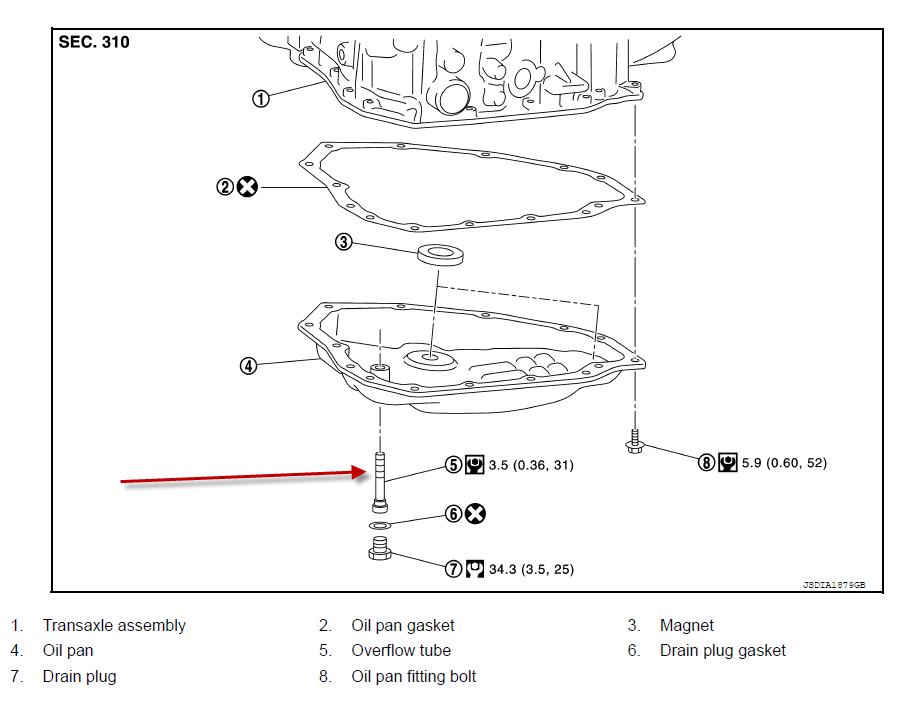
The 2015 Nissan Versa is known for its affordability and fuel efficiency, making it a popular choice for budget-conscious drivers. However, like any vehicle, it's not immune to potential mechanical issues, and the transmission is one component that may require attention over time. This article provides a comprehensive overview of 2015 Nissan Versa transmission replacement, covering potential problems, costs, and considerations to help you make informed decisions.
Understanding the 2015 Nissan Versa Transmission
The 2015 Nissan Versa primarily comes with two transmission options:
- 5-Speed Manual Transmission: Offered on the base "S" trim, this provides a more engaging driving experience and, generally, is considered more reliable than the CVT.
- Continuously Variable Transmission (CVT): Found on the higher trims (S Plus, SV, SL), the CVT aims to maximize fuel economy by providing a seamless range of gear ratios. However, it's also the more common source of transmission-related problems in this model.
This article will primarily focus on the CVT, as it's the more prevalent and potentially problematic transmission in the 2015 Versa.
Common 2015 Nissan Versa Transmission Problems
Several issues can indicate a failing transmission in a 2015 Nissan Versa. Recognizing these early can potentially save you from a complete transmission failure and a costly replacement. Here are some common symptoms:
- Slipping Gears: This is a common sign. You might notice the engine revving high without a corresponding increase in speed, or the car struggling to maintain a consistent speed, especially on inclines.
- Rough Shifting or Jerking: The CVT is designed for smooth transitions. If you experience harsh shifts, jolts, or jerking motions during acceleration or deceleration, it could point to a transmission problem.
- Unusual Noises: Whining, humming, or clunking sounds coming from the transmission area are often indicative of internal damage. Listen carefully, especially during acceleration and deceleration.
- Burning Smell: A burning odor emanating from the engine bay could suggest overheating transmission fluid, which can damage internal components.
- Transmission Fluid Leaks: Check for reddish-brown fluid under the car, near the transmission. Low fluid levels can lead to overheating and damage.
- "Check Engine" Light: A illuminated "Check Engine" light is a broad indicator, but it could be triggered by transmission-related issues. Get the car scanned to determine the specific code.
- Hesitation or Delay in Engagement: When shifting from Park to Drive or Reverse, if there's a significant delay before the car moves, it could signal a problem with the transmission.
- Shaking or Vibration: Excessive shaking or vibration, especially at higher speeds, could be related to transmission imbalances or internal damage.
Factors Contributing to Transmission Failure
Several factors can contribute to transmission problems in a 2015 Nissan Versa:
- Lack of Maintenance: Neglecting recommended transmission fluid changes is a primary culprit. CVT fluid degrades over time, losing its lubricating properties and leading to internal wear.
- Driving Habits: Aggressive driving, such as frequent hard acceleration and braking, can put excessive stress on the transmission.
- Towing: The 2015 Nissan Versa is not designed for towing. Attempting to tow heavy loads can severely damage the transmission.
- Overheating: Excessive heat can damage transmission components. Overheating can be caused by low fluid levels, clogged transmission cooler lines, or driving in extreme conditions.
- Manufacturing Defects: Although less common, there's always a possibility of manufacturing defects contributing to premature transmission failure.
When is Transmission Replacement Necessary?
Not all transmission problems require a complete replacement. Minor issues, such as fluid leaks or sensor malfunctions, may be repairable. However, if the transmission exhibits severe symptoms, such as frequent slipping, loud noises, or internal damage, replacement may be the most cost-effective solution in the long run. A qualified mechanic can diagnose the problem accurately and advise you on the best course of action.
2015 Nissan Versa Transmission Replacement Cost
The cost of a 2015 Nissan Versa transmission replacement can vary significantly depending on several factors:
- Type of Transmission: CVT transmissions generally cost more to replace than manual transmissions.
- New vs. Remanufactured vs. Used:
- New Transmissions: The most expensive option, offering the best warranty and longevity.
- Remanufactured Transmissions: Rebuilt to factory specifications using new or reconditioned parts. Offers a good balance of cost and reliability, often with a warranty.
- Used Transmissions: The cheapest option, but also the riskiest. The history and condition of the used transmission are often unknown.
- Labor Costs: Labor rates vary depending on the mechanic's experience and the location.
- Parts: Prices for related parts, such as transmission fluid, filters, and seals, can add to the overall cost.
Generally, you can expect to pay anywhere from $2,500 to $4,500 for a 2015 Nissan Versa CVT transmission replacement, including parts and labor. This is just an estimate, and it's essential to get quotes from multiple reputable mechanics to get an accurate price.
A used transmission might cost in the range of $800 to $1500 for the part alone, but remember to factor in labor costs and the inherent risk involved with a used part. A remanufactured unit is a safer bet, costing somewhere between $1800 and $3000 plus labor.
Finding a Reputable Mechanic
Choosing the right mechanic is crucial for a successful transmission replacement. Here are some tips:
- Seek Recommendations: Ask friends, family, or colleagues for recommendations.
- Read Online Reviews: Check online reviews on platforms like Google, Yelp, and the Better Business Bureau.
- Check for Certifications: Look for mechanics who are certified by organizations like the National Institute for Automotive Service Excellence (ASE).
- Get Multiple Quotes: Obtain quotes from several mechanics to compare prices and services.
- Ask About Warranty: Inquire about the warranty offered on the replacement transmission and labor.
- Discuss the Diagnosis: Make sure the mechanic clearly explains the problem and the proposed solution.
Preventive Maintenance to Extend Transmission Life
While transmission problems can't always be avoided, regular maintenance can significantly extend the life of your 2015 Nissan Versa's transmission:
- Regular Fluid Changes: Follow the manufacturer's recommended transmission fluid change intervals. This is typically every 30,000 to 60,000 miles for a CVT. Use the correct type of fluid specified for your Versa.
- Avoid Aggressive Driving: Minimize hard acceleration and braking.
- Check Fluid Levels: Periodically check the transmission fluid level and top it off if necessary.
- Address Problems Promptly: Don't ignore warning signs of transmission problems. Addressing them early can prevent further damage.
- Consider a Transmission Cooler: If you frequently drive in hot conditions or do a lot of stop-and-go driving, consider installing an aftermarket transmission cooler to help prevent overheating.
Is it Worth Replacing the Transmission?
Deciding whether to replace the transmission in a 2015 Nissan Versa is a significant decision. Consider the following factors:
- Vehicle's Overall Condition: Assess the overall condition of the car. If it's in good shape otherwise, a transmission replacement might be a worthwhile investment.
- Mileage: Consider the vehicle's mileage. If it has high mileage, other components may be nearing the end of their lifespan.
- Repair Costs vs. Replacement Value: Compare the cost of the transmission replacement to the car's market value. If the repair cost exceeds the car's value, it might be more economical to replace the vehicle.
- Long-Term Plans: How long do you plan to keep the car after the repair? If you plan to drive it for several more years, a transmission replacement might be justified.
Ultimately, the decision of whether to replace the transmission is a personal one. Weigh the pros and cons carefully and consult with a trusted mechanic to make an informed choice.
Alternatives to Transmission Replacement
Before committing to a full transmission replacement, explore all your options. In some cases, the following alternatives might be viable:
- Transmission Repair: If the problem is relatively minor, a repair might be sufficient. This could involve replacing faulty sensors, solenoids, or valve body components.
- Transmission Rebuild: A rebuild involves disassembling the transmission, replacing worn or damaged parts, and reassembling it. This can be a cost-effective alternative to a full replacement, but it's essential to find a reputable rebuilder.
Always get a thorough diagnosis from a qualified mechanic to determine the best course of action for your specific situation.
Conclusion
Dealing with a faulty transmission can be stressful. By understanding the potential problems, costs, and considerations involved in a 2015 Nissan Versa transmission replacement, you can make informed decisions and get your car back on the road. Remember to prioritize regular maintenance to extend the life of your transmission and seek professional help when needed.