
2016 Nissan Altima Driver Seat Replacement
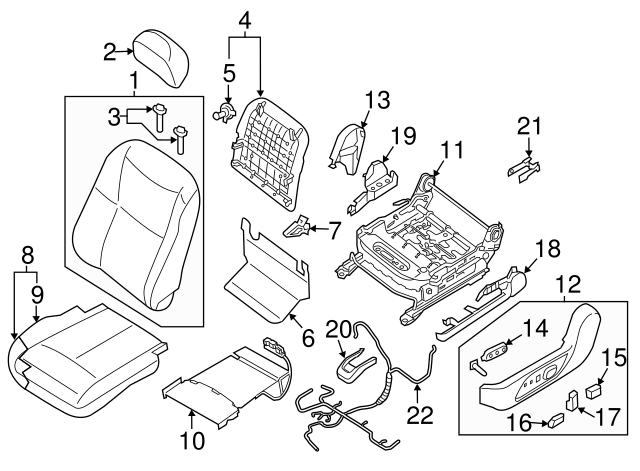
Replacing a car seat might seem like a task best left to professionals, but with a little knowledge and the right tools, it's a manageable project for the discerning DIY enthusiast. This technical guide will walk you through the process of replacing the driver's seat in a 2016 Nissan Altima, focusing on the engineering principles and considerations involved. We'll delve into the mechanics, electrical connections, and safety precautions necessary for a successful installation.
Preparation is Key
Before diving in, gather your tools and materials. You'll need:
- A socket wrench set with various extensions (specifically, sockets to remove seat bolts – usually 14mm or 17mm)
- A Torx bit set (specifically, a T50 for the seatbelt bolt in some cases)
- A flathead screwdriver
- A Phillips head screwdriver
- A trim removal tool (optional, but highly recommended to avoid damaging plastic trim)
- A multimeter (for testing electrical connections – optional but useful)
- Work gloves
- Safety glasses
- A new or used driver's seat for a 2016 Nissan Altima (verify compatibility)
Safety First! Disconnect the negative terminal of your car's battery. This is crucial to prevent accidental airbag deployment or electrical shocks during the process. Wait at least 15 minutes after disconnecting the battery to allow the capacitors in the airbag system to discharge fully. This prevents inadvertent airbag deployment during seat removal and re-installation, which can cause serious injury. Note the orientation of the cable before removing it; some vehicles can experience idle relearn problems after battery reconnection.
Seat Removal: A Step-by-Step Guide
1. Accessing the Seat Bolts
The first step involves locating and accessing the four bolts that secure the seat to the vehicle's floor. These bolts are typically found at the corners of the seat's base. In many Altima models, plastic covers conceal these bolts. Use a trim removal tool or a flathead screwdriver (carefully!) to pry these covers off. Avoid forcing the covers, as this can lead to breakage. The covers are designed to be removed with minimal effort when using the right tool.
2. Removing the Seat Bolts
Using the appropriate socket wrench and extension, carefully loosen and remove the four seat bolts. Apply even pressure to avoid stripping the bolt heads. If a bolt is particularly stubborn, try applying a penetrating oil and letting it soak for a few minutes before attempting to remove it again. Keep track of the bolts – labeling them (e.g., "front left," "rear right") is a good practice to ensure they're reinstalled in the correct locations. Note: Some seats might also have a centering pin that the bolt goes through. Don't lose this!
3. Disconnecting Electrical Connectors
Once the seat is unbolted, carefully tilt it back to gain access to the electrical connectors underneath. These connectors power various functions, such as the seat's adjustment motors, seat heaters (if equipped), and the seatbelt pretensioner and/or seat position sensor for the airbag system. Disconnecting these connectors requires careful attention.
Each connector usually has a locking mechanism that needs to be disengaged before the connector can be pulled apart. Identify the locking mechanism (usually a small tab or lever) and gently depress or slide it to release the connector. Avoid pulling forcefully on the wires, as this can damage the connector or the wiring harness. Some connectors may have a secondary locking mechanism that needs to be addressed before disconnection. A small screwdriver can be helpful for these more intricate connectors.
Important: Pay close attention to the location and orientation of each connector. Taking pictures before disconnecting them can be extremely helpful during reinstallation.
Once all electrical connectors are disconnected, carefully lift the seat out of the vehicle. Be mindful of any sharp edges or protruding components that could damage the interior of your car.
4. Seatbelt Buckle Removal (If Necessary)
In some cases, you might need to transfer the seatbelt buckle from the old seat to the new one. This is usually secured with a single Torx bolt (often a T50). Use the appropriate Torx bit and socket wrench to remove this bolt. Again, keep track of any washers or spacers that are present. Ensure the seatbelt buckle is installed correctly on the new seat and torqued to the manufacturer's specifications. Torque specifications are critical for safety, ensuring the buckle functions properly in the event of an accident.
Seat Installation: Reversing the Process
1. Preparing the New Seat
Before installing the new seat, inspect it carefully for any damage or defects. Ensure that all necessary components are present and that the seat is compatible with your vehicle. If you purchased a used seat, consider cleaning it thoroughly before installation.
2. Connecting Electrical Connectors
Carefully position the new seat in the vehicle and begin reconnecting the electrical connectors. Refer to the pictures you took during removal to ensure that each connector is plugged into the correct location. Make sure the connectors click into place, indicating a secure connection. A loose electrical connection can cause malfunctions in the seat's functions or even trigger airbag warning lights.
3. Securing the Seat Bolts
Align the seat with the bolt holes in the floor and install the seat bolts. Tighten the bolts in a crisscross pattern to ensure even distribution of pressure. Use a torque wrench to tighten the bolts to the manufacturer's specifications. This is crucial to ensure that the seat is securely mounted and will not move during normal driving conditions or in the event of an accident. Consult a repair manual for the correct torque specifications. Over-tightening the bolts can strip the threads, while under-tightening can allow the seat to move.
4. Reattaching the Seatbelt Buckle (If Removed)
If you removed the seatbelt buckle, reattach it to the new seat using the Torx bolt. Tighten the bolt to the manufacturer's specifications. Verify that the seatbelt buckle functions smoothly and engages properly.
5. Reconnecting the Battery
Once the seat is securely installed and all electrical connectors are connected, reconnect the negative terminal of the battery. Ensure the connection is clean and tight.
Post-Installation Checks
1. Testing Seat Functionality
After reconnecting the battery, test all of the seat's functions to ensure they are working properly. This includes the seat adjustment motors, seat heaters (if equipped), and the seatbelt buckle. Check for any unusual noises or vibrations during seat operation. If any problems are detected, double-check the electrical connections and the seat mounting bolts.
2. Checking for Airbag Warning Lights
Start the engine and check for any airbag warning lights on the instrument panel. If an airbag warning light is illuminated, it indicates a problem with the airbag system. This could be due to a loose electrical connection or a faulty component. Consult a qualified mechanic to diagnose and repair the problem. Never ignore an airbag warning light, as it could indicate that the airbags will not deploy properly in the event of an accident.
3. Final Inspection
Perform a final inspection of the installation. Ensure that all trim pieces are properly installed and that there are no loose wires or components. Verify that the seat is securely mounted and that all functions are working properly. Take the car for a short test drive to ensure that the seat is comfortable and that there are no issues with its operation.
Troubleshooting Tips
- Airbag Warning Light: If the airbag light comes on after installation, double-check all electrical connections. If the light persists, a diagnostic scan may be required to identify the specific fault code.
- Seat Motor Malfunction: If the seat motors are not working, check the fuses and the electrical connections to the seat. A faulty motor may need to be replaced.
- Difficulty Removing Bolts: If the seat bolts are difficult to remove, use a penetrating oil and let it soak for a few minutes before attempting to remove them again. Avoid using excessive force, as this can strip the bolt heads.
- Connector Issues: If you break a connector, replacements can be sourced from automotive parts suppliers. Be sure to match the connector type and wiring configuration correctly.
Replacing a car seat requires patience and attention to detail. By following these steps and taking the necessary precautions, you can successfully complete this project and save money on labor costs. Remember to prioritize safety and consult a qualified mechanic if you encounter any difficulties or are unsure about any aspect of the installation process.
Disclaimer: This guide is for informational purposes only and should not be considered a substitute for professional advice. Always consult a qualified mechanic for any repairs or maintenance on your vehicle. The author and publisher are not responsible for any damages or injuries that may result from the use of this guide.