
2016 Nissan Rogue Brake Light Replacement
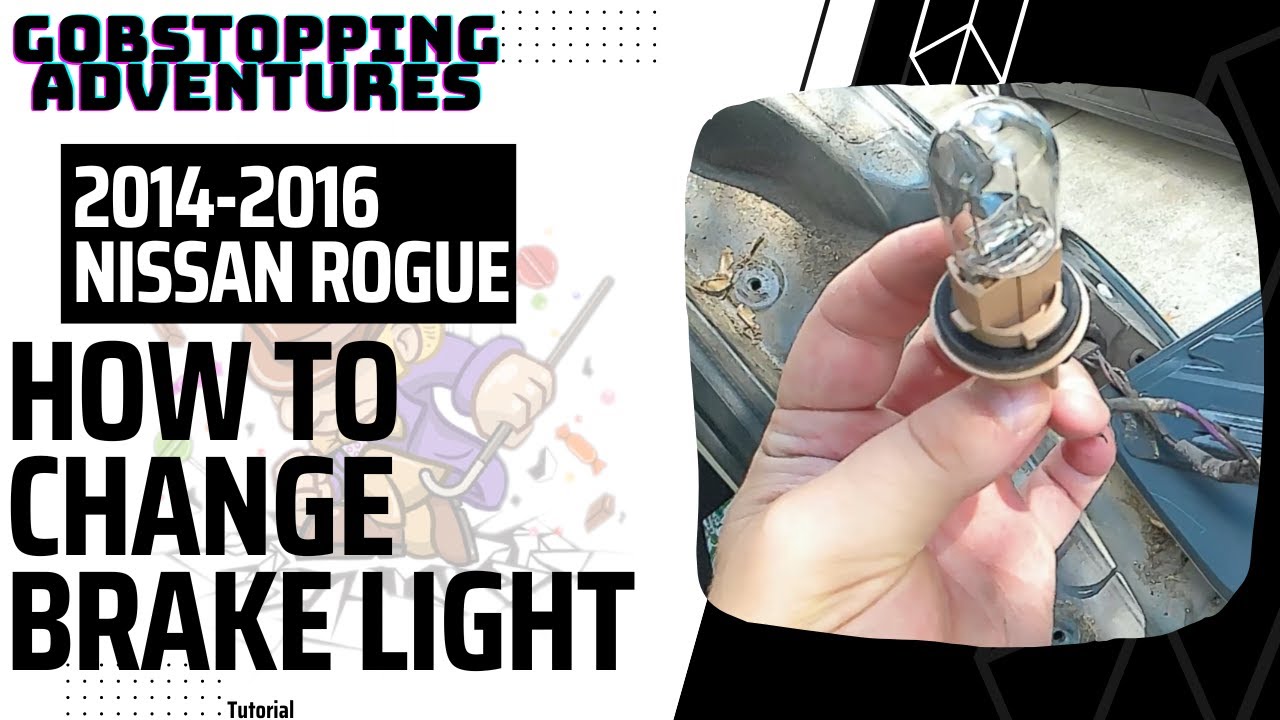
Replacing a brake light on a 2016 Nissan Rogue is a relatively straightforward task that most intermediate DIY mechanics can handle. This article provides a detailed, step-by-step guide to the process, ensuring you can safely and effectively replace your brake light and get back on the road with confidence.
Safety First!
Before you begin any automotive work, safety is paramount. Always follow these precautions:
- Wear safety glasses to protect your eyes from debris.
- Wear gloves to protect your hands from sharp edges and potentially corrosive materials.
- Park the vehicle on a level surface and engage the parking brake firmly.
- Turn off the ignition and remove the key.
- If working near traffic, use hazard lights and reflective safety gear.
Tools and Materials Needed
To successfully replace your 2016 Nissan Rogue's brake light, you'll need the following tools and materials:
- New Brake Light Bulb: Ensure you purchase the correct bulb type. The 2016 Rogue typically uses a 7443 bulb for the brake light. Consult your owner's manual or a reputable parts store for the exact specification.
- Screwdriver: A Phillips head screwdriver is generally needed.
- Socket Wrench Set (Optional): Depending on access, a socket wrench with an extension might be helpful.
- Trim Removal Tool (Optional): A plastic trim removal tool can help prevent damage to plastic trim panels.
- Work Gloves: As mentioned earlier, for hand protection.
- Safety Glasses: Eye protection.
- Shop Towels: For cleaning and wiping.
Step-by-Step Brake Light Replacement Procedure
1. Accessing the Tail Light Assembly
The first step involves gaining access to the rear tail light assembly. This is typically done from inside the vehicle, through the rear cargo area.
Locate the Access Panel: Open the rear hatch of your Rogue. Look for an access panel or a small carpeted door on the interior trim panel behind the tail light you need to replace. This panel is usually held in place by clips or a simple latch.
Remove the Access Panel: Carefully remove the access panel. You might need to use a flathead screwdriver or a trim removal tool to gently pry it open. Avoid using excessive force, as this can damage the plastic trim.
2. Disconnecting the Tail Light Wiring Harness
Once the access panel is removed, you'll see the back of the tail light assembly and the wiring harness connected to it. Before proceeding, ensure the car is OFF and the key is removed!
Locate the Wiring Harness Connector: The wiring harness connector is a plastic piece that plugs directly into the back of the tail light assembly. It supplies power to the various lights in the assembly (brake light, tail light, turn signal).
Disconnect the Wiring Harness: Most wiring harness connectors have a locking tab or clip that needs to be released before the connector can be pulled out. Press the tab and gently pull the connector straight out from the tail light assembly. Avoid pulling on the wires themselves, as this can damage the connection.
3. Removing the Tail Light Assembly (If Necessary)
In some cases, you can access the bulb socket without removing the entire tail light assembly. However, if space is limited or the design requires it, you'll need to remove the assembly.
Identify Mounting Hardware: Look for screws or bolts that secure the tail light assembly to the vehicle's body. These are typically located around the perimeter of the assembly.
Remove Mounting Hardware: Use a screwdriver or socket wrench to remove the screws or bolts. Keep track of the hardware to ensure you can reinstall the assembly correctly.
Carefully Remove the Assembly: Once the mounting hardware is removed, gently wiggle the tail light assembly to loosen it. It might be held in place by alignment pins or clips. Pull the assembly straight back and away from the vehicle. Be careful not to scratch the paint or damage the surrounding trim.
4. Removing the Old Brake Light Bulb
Now that you have access to the tail light assembly, you can remove the old brake light bulb.
Locate the Brake Light Bulb Socket: The brake light bulb socket is usually located on the back of the tail light assembly. It's a plastic socket that holds the bulb in place.
Twist and Remove the Socket: Most bulb sockets are removed by twisting them counterclockwise (typically about a quarter turn) and then pulling them straight out of the tail light assembly. You might need to apply a little pressure, but avoid using excessive force.
Remove the Old Bulb: The brake light bulb is inserted into the socket. Depending on the bulb type, it might either pull straight out (bayonet-style) or require a slight push and twist to release (wedge-style). The 7443 bulb is typically a wedge-style bulb. Gently push the bulb in, twist it counterclockwise, and then pull it straight out. Be careful, as the bulb might be hot if it was recently used.
5. Installing the New Brake Light Bulb
With the old bulb removed, you can now install the new brake light bulb.
Insert the New Bulb: Align the pins or tabs on the new bulb with the corresponding slots in the bulb socket. Push the bulb into the socket, and then twist it clockwise to lock it in place (if applicable). Ensure the bulb is seated securely.
Reinstall the Socket: Align the tabs on the bulb socket with the slots in the tail light assembly. Push the socket into the assembly and then twist it clockwise to lock it in place.
6. Reassembling the Tail Light Assembly
Now, reverse the disassembly process to reassemble the tail light assembly.
Reinstall the Tail Light Assembly (If Removed): Carefully align the tail light assembly with the vehicle's body. Push it into place, ensuring that all alignment pins or clips are properly engaged. Reinstall the screws or bolts that secure the assembly. Tighten them securely, but avoid overtightening.
Reconnect the Wiring Harness: Align the wiring harness connector with the connector on the back of the tail light assembly. Push the connector in until it clicks into place. Make sure the locking tab or clip is engaged to prevent the connector from coming loose.
Reinstall the Access Panel: Align the access panel with the opening in the interior trim panel. Push it into place until the clips or latch secure it. Ensure the panel is flush with the surrounding trim.
7. Testing the New Brake Light
Before you finish up, it's essential to test the new brake light to ensure it's working correctly.
Turn on the Ignition: Turn the ignition to the "ON" position, but do not start the engine.
Test the Brake Lights: Have someone press the brake pedal while you observe the brake lights. Verify that the new brake light illuminates brightly when the brake pedal is pressed. Also, check the other brake light to ensure it's working correctly.
Check Other Lights: While you're at it, check the other lights in the tail light assembly (tail light, turn signal, reverse light) to ensure they are all functioning properly.
Troubleshooting
If the new brake light doesn't work after installation, consider the following:
- Check the Bulb: Ensure you purchased the correct bulb type and that it's not defective.
- Check the Socket: Make sure the bulb is properly seated in the socket and that the socket is securely connected to the tail light assembly.
- Check the Wiring Harness: Ensure the wiring harness connector is fully seated and that the locking tab is engaged. Check the wires for any signs of damage.
- Check the Fuse: Locate the fuse for the brake lights in the fuse box (consult your owner's manual for the location). If the fuse is blown, replace it with a new fuse of the same amperage.
- Consider Professional Help: If you've checked all of the above and the brake light still doesn't work, it's possible that there's a more complex electrical problem. Consult a qualified mechanic for assistance.
Final Thoughts
Replacing a brake light on a 2016 Nissan Rogue is a manageable task for the DIY enthusiast. By following these steps and taking the necessary safety precautions, you can save money and gain valuable experience working on your vehicle. Remember to always consult your owner's manual for specific information about your vehicle. Good luck!