
2017 Nissan Maxima Rear Quarter Panel Trim
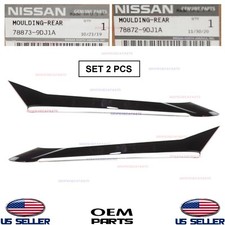
Alright, let's dive into the nitty-gritty of the 2017 Nissan Maxima rear quarter panel trim. This area of the car often gets overlooked, but understanding its construction and how to remove and replace it is crucial for repairs, modifications (like installing aftermarket lighting or body kits), or even just basic maintenance. This guide assumes you have a decent level of mechanical aptitude and some experience working on cars.
Understanding the Rear Quarter Panel Trim Assembly
The rear quarter panel trim isn't just one piece of plastic. It's usually an assembly of several components working together. These components can vary depending on the specific trim level of your Maxima, but typically include:
- Outer Quarter Panel Trim (Surface): The visible, usually painted, exterior panel. It's part of the vehicle's unibody structure, so we're not talking about replacing that here. We're focused on the attached trim pieces.
- Inner Quarter Panel Trim (Interior): The interior panels that cover the wheel well and structure from inside the cabin.
- Rocker Panel Trim (Lower): The trim piece along the bottom edge of the quarter panel, where it meets the rocker panel.
- Wheel Arch Molding/Trim: Surrounds the wheel well opening. Often a separate, bolted-on or clipped-on piece.
- Mounting Hardware: Clips, screws, bolts, and sometimes adhesive.
Knowing these components is important because each one might require a different removal technique.
Tools You'll Need
Before you start, gather your tools. Having the right tools prevents damage and makes the job much easier:
- Trim Removal Tools: A set of plastic trim removal tools is essential. They're designed to pry panels without scratching or breaking the plastic.
- Socket Set: Metric sockets (8mm, 10mm, and 12mm are common) are needed for bolts and nuts.
- Screwdrivers: Both Phillips head and flathead screwdrivers in various sizes.
- Pliers: Needle-nose pliers can be helpful for removing stubborn clips.
- Panel Popper: A dedicated panel popper tool can be useful for tight or difficult clips.
- Gloves: To protect your hands.
- Shop Towels: For cleaning and wiping surfaces.
- Flashlight or Work Light: Good visibility is crucial.
- Plastic Bags and Marker: To label and organize removed hardware (very important!).
- Pen and Paper/Camera: To take notes or pictures of the trim's original configuration before you start removing anything.
Removal Procedure: A Step-by-Step Guide
Okay, let's get to removing the trim. Remember to take your time and be patient. Rushing increases the risk of damage.
1. Preliminary Steps
Before you touch anything, there are a couple of things to do:
- Disconnect the Battery (Negative Terminal): While not strictly always necessary for trim removal, disconnecting the negative battery terminal is a good safety practice, especially if you're working near electrical components like taillights or sensors.
- Protect the Paint: Use masking tape around the edges of the trim you're removing to prevent accidental scratches from your tools.
- Inspect for Visible Fasteners: Carefully look for any exposed screws or bolts holding the trim in place. These are usually located in easily accessible areas.
2. Removing Interior Quarter Panel Trim (If Applicable)
Sometimes, accessing the exterior trim requires removing interior pieces first. This might involve:
- Removing Rear Seats: Often, the lower seat cushion needs to be removed to access bolts or clips holding the side bolster (the part of the rear seat that runs alongside the quarter panel) in place. Refer to your owner's manual or online resources for the specific procedure for removing your Maxima's rear seats.
- Removing Side Bolsters: Once the seat cushion is out, you'll likely find bolts or clips securing the side bolsters. Use your socket set or trim removal tools to carefully detach these.
- Identifying Hidden Fasteners: Look carefully for hidden screws or clips behind the seat belts, under the rear deck lid (if accessible), or along the door sills.
3. Removing the Wheel Arch Molding/Trim
This is often a separate piece and can be removed relatively easily. The method will depend on whether it's bolted or clipped on:
- Bolted On: If it's bolted, you'll find small bolts or nuts (usually 8mm or 10mm) along the inner lip of the wheel well. Remove these.
- Clipped On: If it's clipped on, use your trim removal tools to gently pry the molding away from the quarter panel, starting at one end. Work your way around, releasing each clip one at a time. Be careful not to break the clips or damage the molding.
4. Removing the Rocker Panel Trim (If Applicable)
The rocker panel trim might be connected to the rear quarter panel trim. If so, you'll need to detach it first. These are typically clipped on or held by a combination of clips and screws. Start by inspecting for any visible screws, usually located near the wheel wells or along the bottom edge. Then, use your trim removal tools to gently pry the trim away from the body, working your way along its length.
5. Removing the Main Quarter Panel Trim Piece
This is usually the trickiest part. The main trim piece is typically held in place by a combination of clips and possibly some adhesive. Here's the general approach:
- Locate Clip Positions: Examine the trim piece closely. You might be able to get a sense of where the clips are located by looking at the gaps between the trim and the body.
- Start at an Edge: Choose an edge of the trim piece to start with. Ideally, this would be a corner or an area where you can easily access the clips.
- Use Trim Removal Tools: Insert your trim removal tool between the trim and the body panel, as close to a clip location as possible. Gently pry outwards, trying to release the clip.
- Work Your Way Around: Continue working your way around the trim piece, releasing each clip one at a time. Be patient and apply even pressure. Avoid using excessive force, as this can break the clips or damage the trim.
- Dealing with Adhesive: If you encounter resistance, it's possible that there's adhesive holding the trim in place. Use a heat gun (on a low setting!) to gently warm the adhesive, which can soften it and make it easier to remove the trim. Be extremely careful not to overheat the paint. You can also use a plastic scraper to gently cut through the adhesive.
6. Disconnecting Wiring Harnesses (If Applicable)
Some trim pieces may have wiring harnesses attached to them, such as for side marker lights or parking sensors. Before you completely remove the trim piece, carefully disconnect any wiring harnesses. Usually, there are small clips or tabs that you need to depress to release the connector. Never pull on the wires themselves.
7. Inspecting the Removed Trim and Mounting Points
Once you've removed the trim piece, take a close look at it and the mounting points on the car's body. This is a good time to:
- Clean the Surfaces: Use a clean cloth and some mild soap and water to clean both the trim piece and the body panel where the trim was mounted. This will ensure a good bond if you're reinstalling the trim.
- Inspect for Damage: Check the trim piece for any cracks, breaks, or other damage. If the trim is damaged, you'll need to repair or replace it.
- Replace Broken Clips: Inspect the clips on the trim piece and the mounting points on the body panel. If any clips are broken or missing, replace them with new ones. You can usually find replacement clips at an auto parts store or online.
Reinstallation
Reinstallation is essentially the reverse of removal. Here are a few tips:
- Ensure Proper Alignment: Before snapping the trim back into place, make sure it's properly aligned with the mounting points.
- Press Firmly: Press firmly on the trim piece to snap the clips into place. You should hear a distinct "click" when each clip is properly engaged.
- Reinstall Fasteners: Reinstall any screws or bolts that were removed, tightening them to the appropriate torque specification (if known).
- Reconnect Wiring Harnesses: Carefully reconnect any wiring harnesses that were disconnected, ensuring that the connectors are fully seated and locked in place.
Important Considerations
- Clip Types: There are many different types of clips used on car trim. Some are simple push-in clips, while others have more complex locking mechanisms. Familiarize yourself with the different types of clips before you start removing the trim.
- Adhesive Removal: If you encounter adhesive, you may need to use a solvent (like Goo Gone or WD-40) to remove any residue from the paint. Be sure to test the solvent in an inconspicuous area first to make sure it doesn't damage the paint.
- Professional Help: If you're not comfortable removing the trim yourself, don't hesitate to seek professional help. A body shop or experienced mechanic can remove and reinstall the trim without damaging it.
Removing and replacing the rear quarter panel trim on your 2017 Nissan Maxima can be a straightforward process if you're careful and patient. By following these steps and using the right tools, you can successfully complete the job yourself.