
2017 Nissan Pathfinder Catalytic Converter
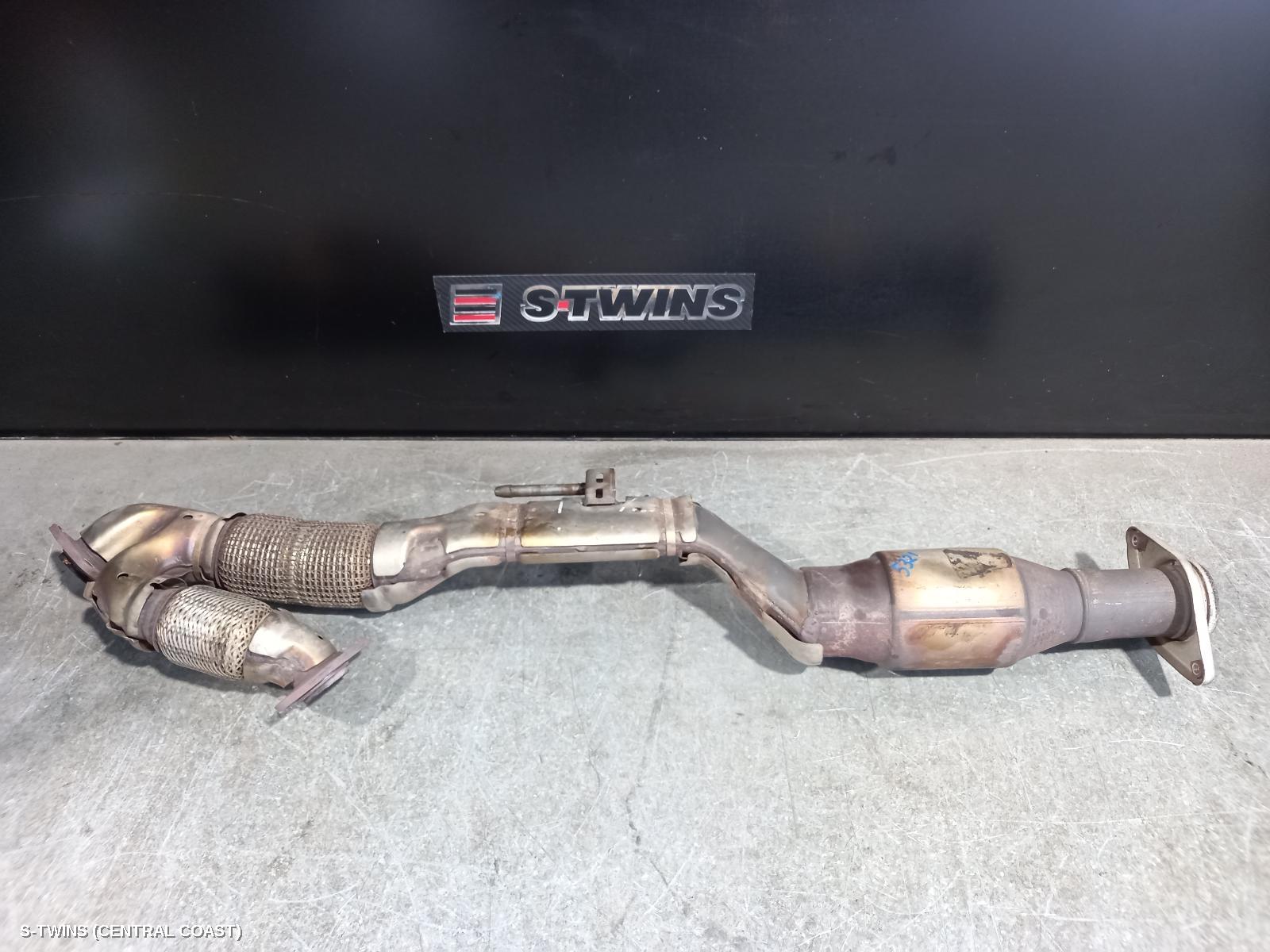
The 2017 Nissan Pathfinder is a popular SUV known for its reliability and practicality. A crucial component of its emissions system is the catalytic converter. This article provides comprehensive information about the 2017 Nissan Pathfinder catalytic converter, covering its function, potential problems, replacement costs, and preventative measures to ensure its longevity.
What is a Catalytic Converter and Why is it Important?
A catalytic converter is an exhaust emission control device that reduces toxic gases and pollutants in exhaust gas from an internal combustion engine into less-toxic pollutants by catalyzing a redox reaction. It's a critical component required by law in most vehicles, including the 2017 Nissan Pathfinder.
Here's a breakdown of its key functions:
- Reduces Harmful Emissions: Converts carbon monoxide (CO), hydrocarbons (HC), and nitrogen oxides (NOx) into carbon dioxide (CO2), water (H2O), and nitrogen (N2).
- Ensures Compliance: Helps the vehicle meet stringent environmental regulations set by federal and state authorities.
- Prevents Air Pollution: Contributes to cleaner air quality, reducing smog and other forms of air pollution.
- Maintains Engine Performance: While primarily for emissions, a properly functioning catalytic converter ensures optimal engine performance and fuel efficiency.
Common Problems with the 2017 Nissan Pathfinder Catalytic Converter
Several factors can lead to catalytic converter failure in a 2017 Nissan Pathfinder. Recognizing the symptoms early can help prevent further damage and costly repairs.
Symptoms of a Failing Catalytic Converter:
- Check Engine Light: This is the most common indicator. The OBD-II system will likely display codes such as P0420 ("Catalyst System Efficiency Below Threshold Bank 1") or P0430 ("Catalyst System Efficiency Below Threshold Bank 2").
- Reduced Engine Performance: A clogged or damaged converter restricts exhaust flow, leading to noticeable power loss, especially during acceleration.
- Poor Fuel Economy: The engine may work harder to compensate for the restricted exhaust, resulting in decreased fuel efficiency.
- Rattling Noise: Internal damage to the converter can cause a rattling sound coming from underneath the vehicle. This usually indicates that the internal honeycomb structure has broken apart.
- Overheating: A failing converter can overheat, potentially causing damage to surrounding components. You might notice excessive heat radiating from under the vehicle.
- Failed Emissions Test: A malfunctioning catalytic converter will likely cause the vehicle to fail an emissions test, preventing registration renewal in many states.
- Sulfur Smell (Rotten Eggs): This is often caused by the converter attempting to process excessive sulfur in the exhaust due to a rich-running engine or other issues.
Common Causes of Catalytic Converter Failure:
- Contamination: Raw fuel, oil, or coolant entering the exhaust system can contaminate the catalytic converter, rendering it ineffective. This is often caused by faulty fuel injectors, leaky valve seals, or a blown head gasket.
- Physical Damage: Impacts from road debris or accidents can damage the converter's housing or internal components.
- Overheating: Prolonged engine overheating can damage the converter's sensitive internal structure.
- Clogging: Carbon deposits and other contaminants can clog the converter, restricting exhaust flow and reducing its efficiency.
- Age and Wear: Like any other component, catalytic converters have a limited lifespan and will eventually degrade over time.
2017 Nissan Pathfinder Catalytic Converter Replacement Cost
Replacing a catalytic converter on a 2017 Nissan Pathfinder can be a significant expense. The cost varies depending on several factors, including:
- Type of Converter: Aftermarket, OEM (Original Equipment Manufacturer), and CARB-compliant (California Air Resources Board) converters all have different price points. CARB-compliant converters are typically the most expensive but are required in California and other states with similar emissions regulations.
- Labor Costs: Labor rates vary depending on the mechanic or repair shop.
- Location: Prices can differ depending on the region and availability of parts.
Here's a general estimate of the 2017 Nissan Pathfinder catalytic converter replacement cost:
- Aftermarket Catalytic Converter: $300 - $700 (parts only)
- OEM Catalytic Converter: $800 - $1500 (parts only)
- Labor Costs: $150 - $300
Total Estimated Cost: $450 - $1800
Important Note: These are just estimates. It's always best to get a quote from a trusted mechanic to get an accurate price for your specific situation. Be sure to ask for a breakdown of the parts and labor costs.
When considering a replacement, it's crucial to understand the legal requirements in your state. Some states require the use of CARB-compliant converters, even if the vehicle isn't registered in California. Using a non-compliant converter can result in fines and failure to pass emissions inspections.
Choosing the Right Catalytic Converter for Your 2017 Nissan Pathfinder
Selecting the appropriate catalytic converter is essential for ensuring proper vehicle operation and compliance with emissions regulations. Consider the following factors:
- CARB Compliance: Check your state's emissions regulations to determine if a CARB-compliant converter is required.
- OEM vs. Aftermarket: OEM converters are generally more expensive but offer guaranteed fit and performance. Aftermarket converters can be a more budget-friendly option, but it's important to choose a reputable brand.
- Warranty: Look for converters with a good warranty to protect against premature failure.
- Reputation of the Brand: Read reviews and research the manufacturer to ensure you're buying a quality product.
Preventative Measures to Extend Catalytic Converter Life
While catalytic converters eventually need replacement, you can take steps to prolong their lifespan and prevent premature failure.
- Regular Maintenance: Follow the manufacturer's recommended maintenance schedule, including oil changes, spark plug replacements, and air filter replacements.
- Address Engine Issues Promptly: Fix any engine problems, such as misfires or fuel leaks, immediately to prevent damage to the converter.
- Avoid Short Trips: Short trips don't allow the converter to reach its operating temperature, which can lead to carbon buildup.
- Use High-Quality Fuel: Avoid using low-quality or contaminated fuel, as it can damage the converter.
- Inspect Regularly: Have your mechanic inspect the exhaust system regularly for any signs of damage or leaks.
- Avoid "Fuel System Cleaning" Additives: Many of these additives can contain components that can damage the catalytic converter.
Is it Legal to Remove a Catalytic Converter?
No, it is illegal to remove or tamper with a catalytic converter on a vehicle that is used on public roads in the United States. Federal law prohibits the removal or alteration of any emission control device. Violators can face hefty fines and other penalties.
The only exception is for vehicles that are used exclusively off-road, such as race cars. However, even in these cases, it's important to be aware of any local regulations that may apply.
Understanding Diagnostic Codes Related to Catalytic Converters
When the check engine light illuminates, the vehicle's OBD-II system stores diagnostic trouble codes (DTCs) that provide clues about the problem. Here are some common DTCs related to catalytic converters:
- P0420: Catalyst System Efficiency Below Threshold (Bank 1)
- P0430: Catalyst System Efficiency Below Threshold (Bank 2)
- P0421: Warm Up Catalyst Efficiency Below Threshold (Bank 1)
- P0431: Warm Up Catalyst Efficiency Below Threshold (Bank 2)
- P0422: Main Catalyst Efficiency Below Threshold (Bank 1)
- P0432: Main Catalyst Efficiency Below Threshold (Bank 2)
- P0423: Heated Catalyst Efficiency Below Threshold (Bank 1)
- P0433: Heated Catalyst Efficiency Below Threshold (Bank 2)
These codes indicate that the catalytic converter is not functioning efficiently enough to meet emissions standards. However, it's important to note that these codes can also be triggered by other issues, such as exhaust leaks, faulty oxygen sensors, or engine problems. A proper diagnosis by a qualified mechanic is essential.
Alternatives to Replacing the Catalytic Converter (Sometimes)
While replacement is often the only viable solution for a failing catalytic converter, there are a few situations where alternative approaches might be considered. However, these are generally temporary fixes or may not be applicable in all cases.
- Cleaning the Catalytic Converter: In some cases, a clogged converter can be cleaned using special cleaning solutions. However, this is usually only effective for mild clogs and is not a long-term solution. It's also important to note that some cleaning products can damage the converter.
- Addressing Underlying Issues: If the catalytic converter failure is caused by an underlying engine problem, such as a misfire or fuel leak, fixing the root cause may improve converter performance. However, if the converter has already been damaged, it may still need to be replaced.
Important Disclaimer: We strongly advise against attempting to bypass or disable the catalytic converter. This is illegal and can result in serious penalties. Furthermore, it can negatively impact air quality and harm the environment.
Conclusion
The catalytic converter is a vital component of the 2017 Nissan Pathfinder's emissions system. Understanding its function, potential problems, and replacement costs can help you maintain your vehicle properly and avoid costly repairs. By taking preventative measures and addressing issues promptly, you can extend the life of your catalytic converter and ensure your vehicle complies with emissions regulations. Always consult with a qualified mechanic for accurate diagnosis and repair recommendations.