
2017 Nissan Rogue Blower Motor Not Working
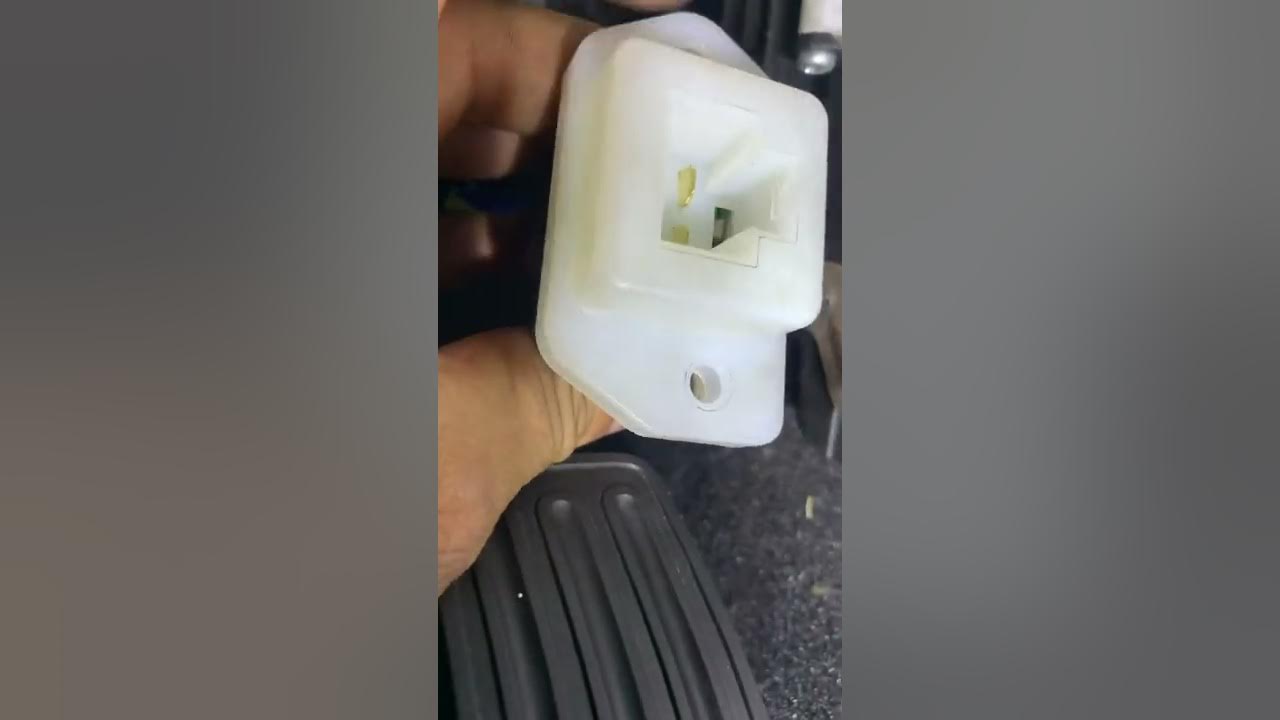
The 2017 Nissan Rogue, a popular compact SUV, is generally reliable. However, like any vehicle, it can be susceptible to certain issues. One common complaint involves the blower motor failing to function, leaving drivers without heat or air conditioning. This article delves into the technical aspects of diagnosing and potentially resolving a blower motor malfunction in a 2017 Nissan Rogue.
Understanding the Blower Motor System
Before diving into troubleshooting, it's crucial to understand the basic components and function of the blower motor system. The system's primary role is to force air, either heated by the heater core or cooled by the evaporator core of the AC system, into the passenger compartment. Key components include:
- Blower Motor: A DC electric motor that drives a fan, physically moving the air.
- Blower Motor Resistor (or Blower Motor Control Module): Controls the blower motor speed by varying the voltage supplied to the motor. Older vehicles used a resistor bank to achieve different speeds, while newer vehicles, including the 2017 Rogue, typically employ a sophisticated electronic control module.
- HVAC Control Panel: The interface for the driver to select the desired temperature, fan speed, and air distribution (vents, defrost, etc.).
- Fuses and Relays: Protect the circuit from overloads and switch the high-current blower motor circuit on and off.
- Wiring Harness: Connects all the components, providing power and control signals.
Common Causes of Blower Motor Failure in the 2017 Rogue
Several factors can contribute to a malfunctioning blower motor. We'll explore each in detail:
1. Blown Fuse
This is often the first and simplest thing to check. A blown fuse indicates an overcurrent condition. Locating the relevant fuse is key. Consult your owner's manual for the fuse box diagram. In the 2017 Rogue, the blower motor fuse is typically located in the interior fuse box, often under the dashboard on the driver's side. Replacing a blown fuse *might* solve the problem, but it's imperative to understand why it blew. Repeated fuse failures indicate a more serious underlying issue, such as a short circuit in the wiring or a failing blower motor drawing excessive current.
2. Faulty Blower Motor Resistor/Control Module
The blower motor resistor (or control module) is a common point of failure. This component regulates the voltage supplied to the blower motor, allowing for variable fan speeds. A failing resistor or module might result in the blower motor only working on certain speeds (e.g., only high), not working at all, or exhibiting erratic behavior. In the 2017 Rogue, a blower motor control module is used, not a traditional resistor bank. These modules are more complex and prone to failure due to heat and electrical stress. The control module is often located near the blower motor assembly, inside the HVAC housing. Testing the control module usually involves using a multimeter to check for proper voltage and ground signals. You can also test the input and output signals to confirm if the module is functioning correctly. A faulty module needs to be replaced.
3. Failing Blower Motor
The blower motor itself can simply wear out over time. Brushes inside the motor can wear down, the bearings can seize, or the armature windings can fail. Symptoms of a failing blower motor include:
- No blower function at all
- Intermittent blower function
- Unusual noises (squealing, grinding) from the blower motor area
- Weak airflow, even on high speed
To test the blower motor, you can apply direct voltage (typically 12V) to the motor's terminals. If the motor doesn't spin, it's likely faulty and needs replacement. Be extremely careful when applying direct voltage and ensure proper polarity.
4. Wiring Issues
Damaged or corroded wiring can interrupt the power or signal flow to the blower motor. Check the wiring harness connected to the blower motor, resistor/control module, and the HVAC control panel for any signs of damage, such as:
- Loose connections
- Corroded terminals
- Cracked or frayed wires
- Burn marks
Use a multimeter to check for continuity in the wiring and ensure proper voltage and ground connections. Wiring diagrams, readily available online or in repair manuals, are essential for tracing the circuit and identifying potential problem areas. Pay close attention to the ground connections, as a poor ground can cause intermittent or complete failure.
5. HVAC Control Panel Problems
Although less common, a faulty HVAC control panel can also cause blower motor issues. If the control panel isn't sending the correct signals to the blower motor resistor/control module, the blower motor won't function properly. Testing the control panel usually involves checking the output signals using a multimeter. If the control panel is suspected, consult a qualified technician, as diagnosing these issues can be complex and require specialized equipment.
6. Clogged Cabin Air Filter
While a clogged cabin air filter won't directly cause the blower motor to stop working, it *can* put extra strain on the motor, potentially shortening its lifespan. A severely clogged filter restricts airflow, forcing the blower motor to work harder to move air through the system. Always replace the cabin air filter according to the manufacturer's recommended service interval.
Troubleshooting Steps
Here's a systematic approach to diagnosing a blower motor issue in a 2017 Nissan Rogue:
- Check the Fuse: As mentioned earlier, this is the first and easiest step. Replace the fuse if it's blown. If it blows again immediately, there's a short circuit.
- Inspect the Wiring: Visually inspect the wiring harness for any signs of damage. Pay close attention to the connectors and terminals. Use a multimeter to check for continuity and voltage.
- Test the Blower Motor Resistor/Control Module: Use a multimeter to check the input and output signals of the resistor/control module. Refer to a wiring diagram and repair manual for the specific voltage and resistance values.
- Test the Blower Motor: Disconnect the blower motor connector and apply direct voltage (12V) to the motor terminals. If the motor doesn't spin, it's likely faulty.
- Check the HVAC Control Panel: If all other components check out, the HVAC control panel might be the problem. Consult a qualified technician for diagnosis and repair.
- Scan for Diagnostic Trouble Codes (DTCs): Use an OBD-II scanner to check for any HVAC-related DTCs. These codes can provide valuable clues about the cause of the problem.
Repairing the Problem
Once you've identified the faulty component, you can proceed with the repair. Common repairs include:
- Fuse Replacement: A simple task, but be sure to address the underlying cause if the fuse blows repeatedly.
- Wiring Repair: Repair damaged wiring by splicing in new wires and using heat-shrink tubing to protect the connections. Replace corroded terminals.
- Blower Motor Resistor/Control Module Replacement: Replace the faulty resistor/control module with a new one. Be sure to disconnect the battery before performing this repair.
- Blower Motor Replacement: Remove the old blower motor and install a new one. Make sure the new motor is compatible with your vehicle.
- HVAC Control Panel Repair/Replacement: This is best left to a qualified technician.
Important Considerations
Working on automotive electrical systems can be dangerous. Always disconnect the battery before performing any repairs to prevent electrical shock. If you're not comfortable working on electrical systems, it's best to consult a qualified technician. When replacing parts, always use high-quality components from reputable manufacturers. Using cheap aftermarket parts can lead to premature failure and other problems. Remember to consult a repair manual or online resources for specific instructions and diagrams for your vehicle.
Conclusion
Diagnosing and repairing a blower motor issue in a 2017 Nissan Rogue can be a challenging but rewarding task. By understanding the components of the blower motor system and following a systematic troubleshooting approach, you can often identify and resolve the problem yourself. However, if you're not comfortable working on electrical systems, it's always best to consult a qualified technician. By keeping your blower motor system in good working order, you can ensure a comfortable and enjoyable driving experience, regardless of the weather.