
2017 Nissan Rogue Climate Control Problems
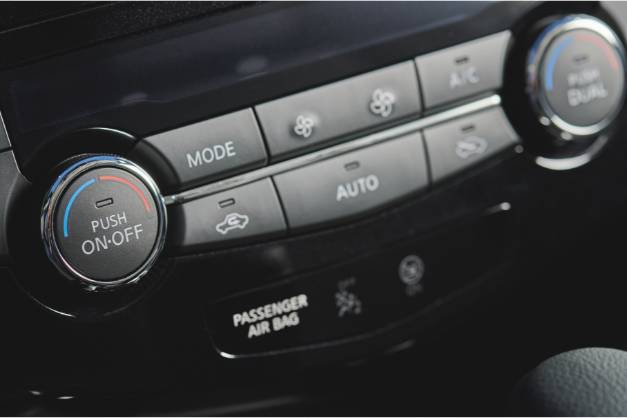
Experiencing climate control problems in your 2017 Nissan Rogue? You're not alone! It's a common issue that many Rogue owners encounter. Let's break down the most frequent culprits and get you back to comfortable driving. This article will cover diagnostic steps and practical solutions to help you troubleshoot and potentially resolve these problems.
Common 2017 Nissan Rogue Climate Control Issues
The 2017 Rogue, while generally reliable, can suffer from several climate control ailments. These range from simple fixes to more involved repairs. Here's a rundown:
- No Air Conditioning (AC): The system blows warm air, even with the AC set to maximum cool.
- Weak Airflow: The blower motor seems to be running, but the air coming from the vents is weak.
- Inconsistent Temperatures: One side of the car blows cold air, while the other blows warm air. This is especially noticeable in models with dual-zone climate control.
- No Heat: The system only blows cold air, even with the heat turned up.
- Blower Motor Not Working: No air is blowing from the vents at all, regardless of the setting.
- Strange Noises: Unusual sounds coming from behind the dashboard when the climate control is on.
Diagnosing the Problem: A Step-by-Step Approach
Before rushing to the mechanic, let's try some basic troubleshooting. You might be able to identify and even resolve the issue yourself.
1. Check the Basics
Sometimes, the problem is something simple that’s easily overlooked.
- Check the Climate Control Settings: Ensure the AC button is engaged and the temperature is set to the desired level. Make sure the air recirculation button isn't stuck on, as this can reduce cooling efficiency.
- Inspect the Fuses and Relays: Locate the fuse box(es) (usually under the hood and/or inside the cabin) and check the fuses related to the AC, blower motor, and climate control system. Use your owner's manual to identify the correct fuses. A blown fuse is a common cause of climate control issues. A simple visual inspection can usually determine if a fuse is blown (the wire inside will be broken). You can use a fuse tester for more accuracy. Replacements are inexpensive. Also check the relays. Sometimes swapping a relay with an identical one from another less critical system (like the rear window defogger) can help diagnose a faulty relay.
Tools Needed: Your owner's manual, a fuse tester (optional), replacement fuses.
Approximate Cost: Replacement fuses are typically under $5.
2. Evaluating the AC System (No AC or Weak AC)
If the fuses are fine, the AC system itself might be the problem.
- Check the Refrigerant Level: A low refrigerant level is a very common cause of AC problems. *This step requires specialized tools and knowledge. It is recommended you take it to a professional.* However, you can visually inspect the AC compressor (usually located at the front of the engine) to see if the clutch is engaging when the AC is turned on. The clutch is the front part of the compressor pulley. When the AC is on, the clutch should engage, causing the center of the pulley to spin along with the outer part. If it's not engaging, it could indicate low refrigerant, a faulty compressor, or a problem with the electrical circuit. Important Note: Refrigerant is a regulated substance. Do not attempt to add refrigerant yourself unless you have the proper training and equipment. Improper handling can damage the environment and potentially injure you.
- Inspect the Condenser: The condenser is located at the front of the vehicle, near the radiator. Check for any damage (bent fins, leaks) caused by road debris. A damaged condenser can significantly reduce AC performance.
Tools Needed: Visual inspection.
Approximate Cost: Professional AC recharge typically ranges from $100-$200. Condenser replacement can range from $300-$700, depending on the shop and parts used.
3. Addressing Airflow Problems (Weak Airflow or No Airflow)
Airflow issues can point to problems with the blower motor, blower motor resistor, or cabin air filter.
- Check the Cabin Air Filter: A clogged cabin air filter is a frequent cause of weak airflow. It's usually located behind the glove compartment. Consult your owner's manual for the exact location and replacement procedure. Replace the filter if it's dirty.
- Test the Blower Motor Resistor: The blower motor resistor controls the speed of the blower motor. A faulty resistor can cause the blower motor to only work on certain speeds (e.g., only high). Locate the blower motor resistor (usually near the blower motor under the dashboard) and inspect it for damage. A multimeter can be used to test the resistor's continuity.
- Test the Blower Motor: If the resistor is good, the blower motor itself might be the problem. You can try directly applying power to the blower motor (carefully!) to see if it spins. If it doesn't, it needs to be replaced.
Tools Needed: Screwdriver, multimeter (optional), socket set.
Approximate Cost: Cabin air filter replacement: $20-$50 (DIY), $50-$100 (professional). Blower motor resistor replacement: $50-$150. Blower motor replacement: $150-$400.
4. Investigating Temperature Discrepancies (Inconsistent Temperatures)
Inconsistent temperatures, especially in dual-zone systems, often point to issues with the blend door actuators.
- Blend Door Actuators: These small electric motors control the flow of hot and cold air into the cabin. A faulty actuator can get stuck, causing one side of the car to blow hot air while the other blows cold. Diagnosing this often requires a scan tool that can read and interpret HVAC system codes. Listen carefully when you change the temperature settings; you might hear a clicking or whirring noise from behind the dashboard, indicating a failing actuator.
Tools Needed: Scan tool (recommended), socket set, screwdriver.
Approximate Cost: Blend door actuator replacement: $150-$400 per actuator, depending on location and labor involved.
5. Identifying Unusual Noises
Strange noises from behind the dashboard can indicate various problems.
- Leaf Debris: Sometimes leaves and other debris can get into the blower motor housing, causing rattling or whistling noises. Removing the blower motor and cleaning the housing can often resolve this issue.
- Failing Blower Motor: A worn-out blower motor can also produce unusual noises (squealing, grinding).
- Actuator Problems: As mentioned earlier, failing blend door actuators can make clicking or whirring noises.
Tools Needed: Screwdriver, vacuum cleaner.
Approximate Cost: Varies depending on the source of the noise. Cleaning the blower motor housing is typically inexpensive (DIY or $50-$100 professional). Replacing a failing blower motor or actuator will have the costs outlined above.
When to Consult a Professional
While many climate control problems can be diagnosed and resolved with basic tools and knowledge, some issues require professional attention. Consider taking your 2017 Nissan Rogue to a qualified mechanic if:
- You are not comfortable working on your vehicle.
- You lack the necessary tools or equipment.
- You are unable to identify the source of the problem.
- The problem involves refrigerant handling (AC recharge, compressor replacement).
- The problem persists after attempting the troubleshooting steps outlined above.
A professional mechanic can use specialized diagnostic equipment to accurately pinpoint the problem and perform the necessary repairs. A scan tool capable of reading Nissan-specific codes is invaluable for diagnosing complex HVAC system issues.
Remember: Regular maintenance, including cabin air filter replacement, can help prevent many climate control problems. By understanding the common issues and taking a proactive approach to maintenance, you can keep your 2017 Nissan Rogue comfortable for years to come.
Disclaimer: This article provides general guidance and information. Always consult your owner's manual and follow proper safety precautions when working on your vehicle. If you are unsure about any repair procedure, seek professional assistance. Repair costs are estimates and may vary depending on location and specific circumstances.