
2020 Nissan Rogue Roof Rack
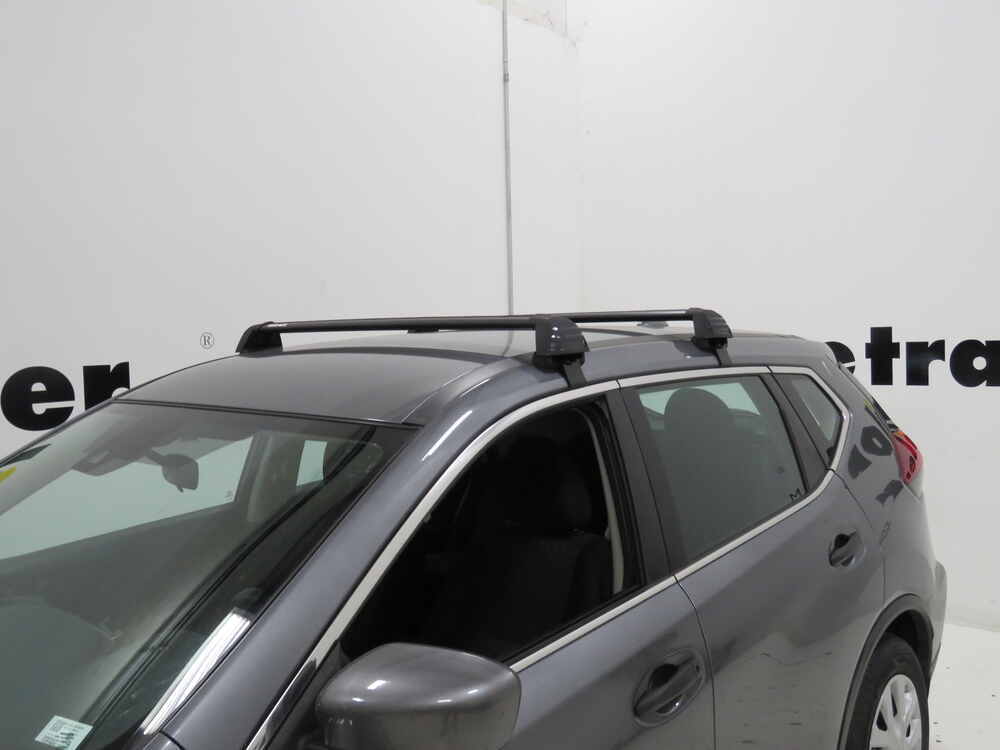
The 2020 Nissan Rogue, a popular compact SUV, offers a roof rack system designed to enhance its cargo-carrying capabilities. While seemingly simple, the roof rack's design and integration involve several engineering considerations to ensure safety, durability, and aerodynamic efficiency. This article delves into the technical aspects of the 2020 Nissan Rogue roof rack, exploring its components, load-bearing capacity, installation nuances, and the underlying principles governing its functionality.
Components of the 2020 Nissan Rogue Roof Rack System
The roof rack system on the 2020 Rogue isn't just a single entity; it's a collection of carefully engineered components working in unison. Typically, it comprises the following:
Side Rails (or Tracks)
These are the longitudinal bars that run along the length of the vehicle's roof, often integrated directly into the roof structure. On some Rogue models, these may be flush-mounted, while others have a raised design, creating a visible gap between the rail and the roof. The side rails serve as the primary anchor points for the crossbars.
The material selection for the side rails is crucial. Often, they are made from high-strength aluminum alloy. Aluminum offers a good balance of strength, weight, and corrosion resistance. The profile of the rails, whether aerodynamic or rectangular, also plays a role in minimizing wind noise and drag.
Crossbars
These bars attach perpendicularly to the side rails, bridging across the vehicle's roof. They are the actual load-bearing members of the roof rack system. The crossbars are usually adjustable, allowing for flexible positioning to accommodate different cargo sizes and shapes.
Like the side rails, crossbars are frequently made from aluminum. However, some aftermarket options might utilize steel for increased strength, albeit at the cost of added weight. Crossbar design is also critical. Many modern crossbars are designed with aerodynamic profiles to minimize wind resistance and noise. Some feature T-slots or channels for easy attachment of accessories like bike carriers, kayak racks, and cargo boxes.
Mounting Hardware and Attachment Points
The integrity of the roof rack hinges heavily on the secure and reliable attachment of the crossbars to the side rails. This involves specialized mounting hardware, including clamps, bolts, and potentially specialized brackets designed to interface with the specific side rail profile. The attachment points on the side rails are often reinforced within the vehicle's roof structure to distribute the load effectively.
The design of the mounting hardware must consider several factors, including:
- Load capacity: The hardware must be able to withstand the rated load capacity of the roof rack.
- Vibration resistance: The hardware must not loosen or fail under constant vibration during driving.
- Corrosion resistance: The hardware must be resistant to corrosion, especially in environments with salt or harsh weather conditions.
- Ease of installation: The hardware should be relatively easy to install and remove, ideally requiring only basic tools.
End Caps and Covers
These components serve a dual purpose: aesthetic enhancement and protection. End caps cover the ends of the side rails and crossbars, providing a cleaner look and preventing debris from entering the hollow structures. Covers may also be used to conceal the mounting hardware, further improving the visual appeal and reducing wind noise.
Load-Bearing Capacity and Safety Considerations
The load-bearing capacity of the 2020 Nissan Rogue roof rack is a critical specification. Exceeding the stated limit can lead to serious safety consequences, including damage to the vehicle's roof, instability, and even detachment of the cargo during driving.
The load capacity is determined by several factors, including:
- Material strength: The strength of the materials used in the side rails, crossbars, and mounting hardware.
- Structural design: The design of the side rails and crossbars, including their profile and dimensions.
- Attachment method: The strength and security of the attachment points between the crossbars and side rails.
- Vehicle's roof structure: The ability of the vehicle's roof to support the weight and distribute the load.
It is imperative to consult the owner's manual or the manufacturer's specifications for the precise load capacity of the 2020 Nissan Rogue roof rack. This value typically includes the weight of the roof rack itself. Furthermore, load distribution is key. Heavier items should be placed evenly across the crossbars and as close to the center of the vehicle's roof as possible to minimize stress and maintain stability.
Beyond the static load capacity, it's also crucial to consider the dynamic loads experienced during driving. Acceleration, braking, and cornering can significantly increase the forces acting on the roof rack and the cargo. Therefore, it's essential to secure the cargo properly using appropriate straps, ropes, or tie-downs. Aerodynamic considerations are also vital when loading cargo. Large, bulky items can create significant wind resistance, impacting fuel efficiency and vehicle handling.
Installation and Removal
The ease of installation and removal is an important factor for many users. Some 2020 Nissan Rogue models may come with pre-installed side rails, while others require installation. The installation process for the crossbars typically involves the following steps:
- Preparation: Gather the necessary tools, including wrenches, screwdrivers, and potentially a torque wrench. Consult the installation instructions for specific tool requirements.
- Positioning the crossbars: Place the crossbars on the side rails, ensuring they are properly aligned and spaced according to the manufacturer's recommendations.
- Attaching the crossbars: Secure the crossbars to the side rails using the provided mounting hardware. Ensure the hardware is properly tightened to the specified torque value. Over-tightening can damage the components, while under-tightening can lead to loosening or failure.
- Verification: Double-check that all connections are secure and that the crossbars are properly aligned.
The removal process is essentially the reverse of the installation process. It's crucial to store the crossbars and mounting hardware in a safe and dry place when not in use to prevent damage or corrosion.
Aerodynamics and Noise Reduction
As mentioned earlier, the aerodynamic design of the roof rack plays a significant role in fuel efficiency and noise reduction. A poorly designed roof rack can create significant wind resistance, increasing fuel consumption and generating noticeable wind noise, especially at higher speeds.
Manufacturers employ various strategies to minimize these effects, including:
- Aerodynamic crossbar profiles: Using airfoil-shaped crossbars to reduce drag.
- Fairings: Installing fairings in front of the crossbars to deflect wind and smooth airflow.
- Noise-reducing strips: Incorporating rubber or plastic strips into the crossbar design to dampen vibrations and reduce noise.
- Flush-mounted side rails: Integrating the side rails closely with the vehicle's roof to minimize air gaps.
Aftermarket roof rack options may offer different aerodynamic properties. It's essential to consider these factors when choosing a roof rack, particularly if fuel efficiency and noise reduction are priorities. Independent testing and user reviews can provide valuable insights into the real-world performance of different roof rack designs.
Conclusion
The 2020 Nissan Rogue roof rack is a carefully engineered system designed to enhance the vehicle's cargo-carrying capabilities. Understanding the components, load-bearing capacity, installation nuances, and aerodynamic considerations is crucial for ensuring safe and efficient use. By adhering to the manufacturer's specifications and following proper installation and loading procedures, owners can maximize the utility of the roof rack while minimizing the risks associated with overloading or improper usage. The roof rack system is more than just an accessory; it is a crucial element for those needing extra space and hauling capacity.