
Are Nissan And Infiniti Parts Interchangeable
The allure of a more affordable repair or upgrade often leads car enthusiasts down the path of parts interchangeability. When it comes to Nissan and its luxury sibling, Infiniti, the question of whether their parts can be swapped is a complex one, riddled with nuance and dependent on specific models, years, and components. This guide delves into the technical aspects of this interchangeability, exploring the underlying engineering and market strategies that dictate which parts are compatible and which are not.
Understanding the Shared Platform Philosophy
At the heart of Nissan and Infiniti's parts interchangeability lies the shared platform philosophy employed by many automotive manufacturers. A platform, in this context, refers to the underlying structure and core components of a vehicle. This includes the chassis, engine architecture, transmission design, and suspension layout. By leveraging a common platform across multiple models, manufacturers can achieve significant cost savings in design, development, and production.
Nissan and Infiniti historically have shared platforms, particularly in earlier generations. For instance, the Nissan 350Z and the Infiniti G35 (and later the G37) were built on the same FM platform. This common foundation meant that numerous components, from suspension parts and braking systems to certain engine components, were directly interchangeable.
However, simply knowing that two vehicles share a platform is not a guarantee of complete interchangeability. Variations within the platform exist to cater to the specific requirements and positioning of each brand. Infiniti models, being the luxury brand, often feature enhanced components, different tuning, and unique styling that differentiate them from their Nissan counterparts.
Areas of Commonality: Exploring Interchangeable Parts
While not all parts are swappable, significant areas of commonality exist between Nissan and Infiniti models. These typically fall into the following categories:
Engine Components
If both vehicles share the same engine code (e.g., VQ35DE, VQ37VHR), certain internal engine components may be interchangeable. This could include pistons, connecting rods, crankshafts, and cylinder heads. However, it's crucial to verify the exact part numbers, as subtle variations in design or material may exist, even within the same engine code. For example, a VQ35DE in a Nissan might have slightly different camshafts or valve springs compared to the same engine in an Infiniti, optimized for different performance characteristics.
Furthermore, external engine components like alternators, starters, and water pumps are often interchangeable, provided they are designed for the specific engine and mounting configuration. However, even here, visual inspection is important. Infiniti models sometimes have upgraded versions of these components, perhaps with higher amperage alternators or more robust water pumps.
Drivetrain Components
Transmissions, both manual and automatic, can sometimes be interchanged between Nissan and Infiniti models using the same engine. The crucial factor is ensuring that the transmission has the same bolt pattern, input shaft spline count, and output shaft flange configuration as the original. Additionally, the transmission control module (TCM) programming might need to be adjusted to match the vehicle's specific needs and gear ratios.
Differentials and axles can also be interchangeable, particularly in models sharing the same platform. Again, verifying the gear ratio and the overall dimensions is essential to prevent compatibility issues.
Suspension and Braking Systems
Suspension components like control arms, struts, and springs are often interchangeable, especially if the vehicles share the same platform and have similar weight distribution. However, Infiniti models often have stiffer springs or upgraded dampers to provide a more refined ride. Swapping these components might alter the vehicle's handling characteristics.
Brake components, such as calipers, rotors, and brake pads, can also be interchangeable. However, Infiniti models may feature larger or more advanced braking systems, especially on performance-oriented trims. Simply swapping calipers without upgrading the rotors could lead to compromised braking performance.
Body and Interior Components
Body panels and interior trim pieces are generally not interchangeable between Nissan and Infiniti models due to significant differences in styling and design. While certain smaller components, such as door handles or window switches, might be compatible, it's unlikely that larger panels or interior elements will be a direct fit.
Areas of Divergence: Where Interchangeability Fails
Despite the shared platform strategy, numerous factors limit parts interchangeability between Nissan and Infiniti models. These differences are often intentional, designed to differentiate the brands and cater to their respective target markets.
Styling and Aesthetics
Infiniti models are designed to be more luxurious and visually distinct from their Nissan counterparts. This means that body panels, interior trim, and lighting elements are almost always unique to the Infiniti brand. Attempting to swap these components will likely result in a mismatched or aesthetically unappealing outcome.
Technology and Features
Infiniti models typically feature more advanced technology and features than their Nissan counterparts. This can include advanced driver-assistance systems (ADAS), premium audio systems, and sophisticated infotainment systems. These systems often rely on proprietary hardware and software that are not compatible with Nissan vehicles.
Performance Tuning
Even when engines are shared, Infiniti models are often tuned for higher performance or a more refined driving experience. This can involve differences in engine management system (EMS) programming, exhaust systems, and intake systems. Swapping these components might not yield the desired performance gains and could even lead to engine problems.
Trim Levels and Options
Different trim levels within each brand can also affect parts interchangeability. A base-model Nissan might not have the same components as a top-of-the-line Infiniti, even if they share the same platform. Options like upgraded brakes, suspension, or audio systems can introduce further variations.
The Importance of Part Numbers and Cross-Referencing
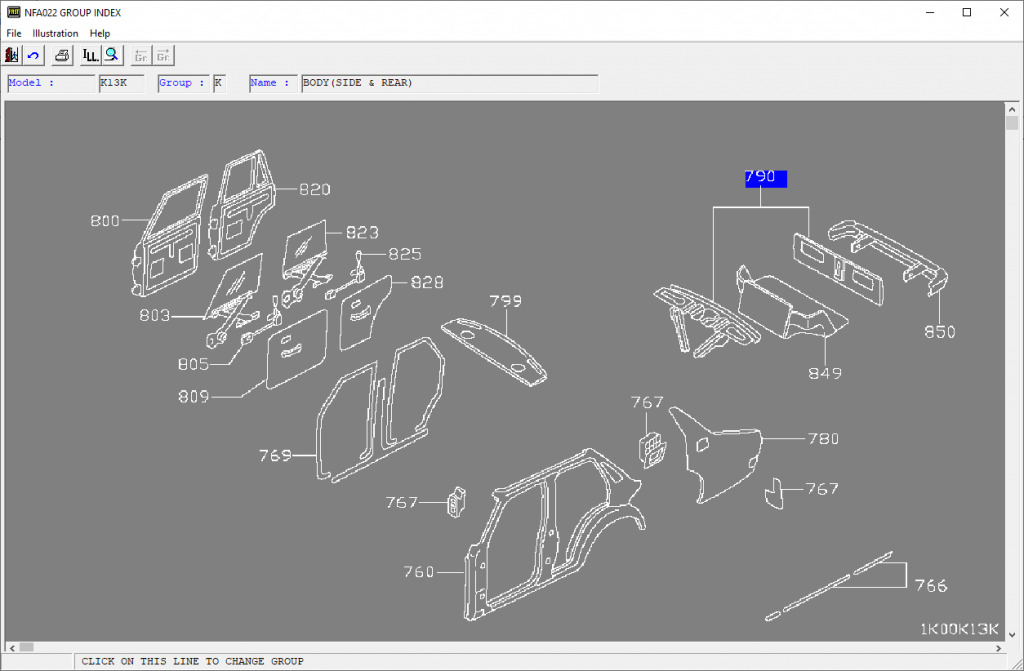
The most reliable way to determine parts interchangeability is to cross-reference part numbers. Automotive manufacturers assign unique part numbers to each component, and these numbers can be used to determine whether a part is compatible with a specific vehicle. Several online databases and parts catalogs allow you to search for parts by vehicle make, model, and year, and then cross-reference the part numbers to see if they are compatible with other vehicles.
Always consult reputable sources, such as official Nissan and Infiniti parts catalogs, aftermarket parts suppliers, and online forums dedicated to Nissan and Infiniti vehicles. Be wary of relying solely on anecdotal evidence or unverified information. A mistake in part selection can lead to costly repairs or even damage to your vehicle.
Practical Considerations and Risks
Even if a part appears to be interchangeable, several practical considerations and risks should be taken into account before proceeding with a swap:
- Warranty Implications: Using a non-original part or swapping parts between different vehicles could void your warranty. Check your warranty terms carefully before making any modifications.
- Safety: Never compromise safety by using substandard or incompatible parts. Brakes, suspension, and steering components are critical for safe vehicle operation.
- Long-Term Reliability: While a part might fit and function initially, it might not be designed for the specific stresses and conditions of your vehicle. This could lead to premature failure and costly repairs in the long run.
- Resale Value: Modifications, especially those involving non-original parts, can negatively impact the resale value of your vehicle.
Conclusion
The question of whether Nissan and Infiniti parts are interchangeable is not a simple yes or no. While the shared platform philosophy allows for some degree of interchangeability, numerous factors, including styling, technology, performance tuning, and trim levels, limit the extent to which parts can be swapped. The key to success lies in thorough research, careful cross-referencing of part numbers, and a healthy dose of skepticism. Always prioritize safety and reliability, and be aware of the potential risks and implications before attempting any parts swap. When in doubt, consult a qualified mechanic or automotive technician for expert advice.