
Before And After Nissan Titan 3 Inch Lift
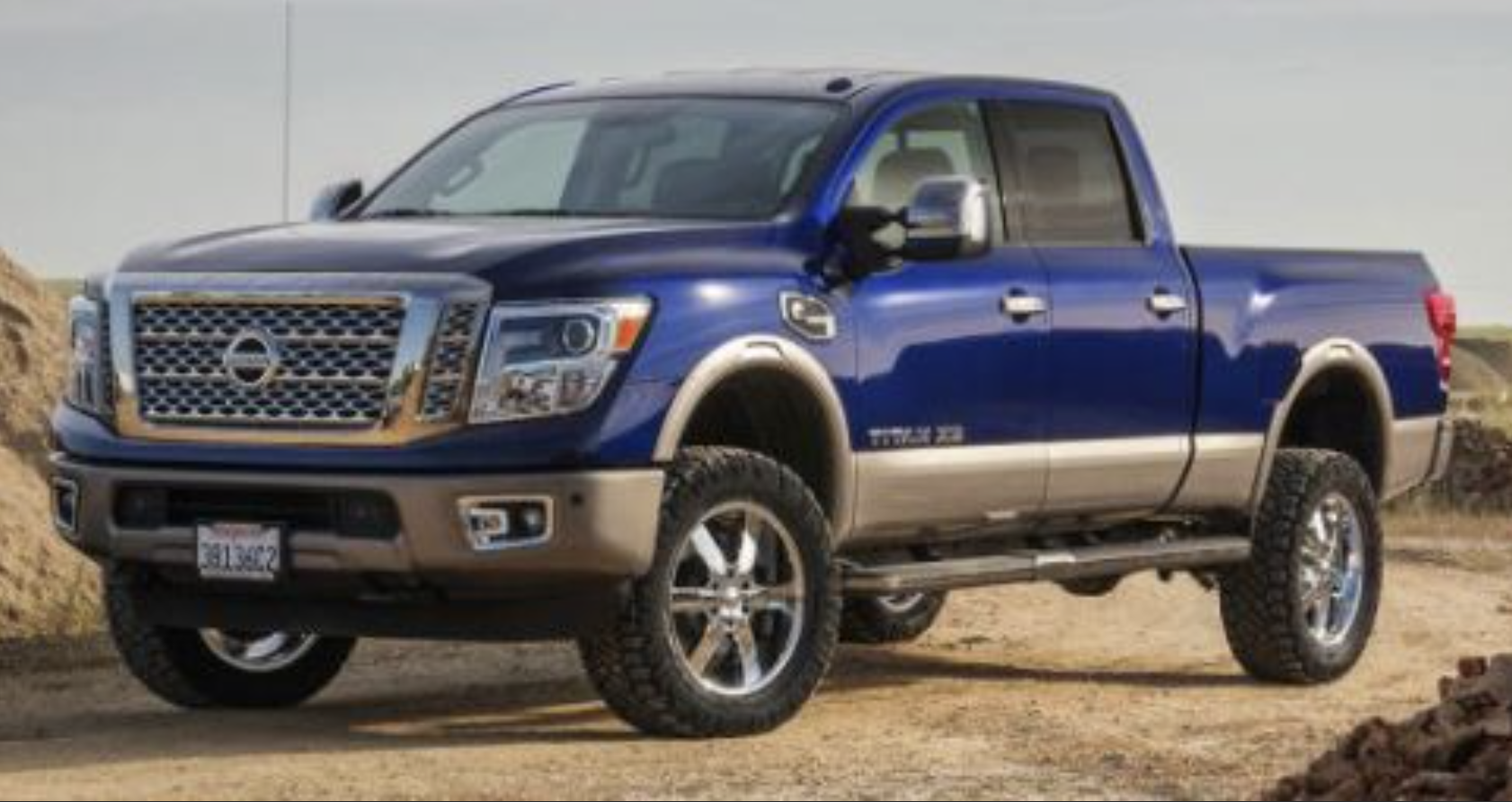
The Nissan Titan, while often overshadowed by its domestic rivals, possesses a robust design and capable platform that makes it a compelling choice for those seeking a blend of utility and reliability. One popular modification for Titan owners is a 3-inch lift kit, aiming to improve off-road capability, provide more aggressive aesthetics, and accommodate larger tires. However, simply bolting on a lift kit without understanding the underlying mechanics can lead to unintended consequences. This article delves into the technical aspects of a 3-inch lift on a Nissan Titan, examining the "before" (stock configuration) and "after" (lifted) scenarios to provide a comprehensive understanding of the modifications and their effects.
Understanding the Stock Titan Suspension
Before diving into the specifics of the lift kit, it's crucial to understand the factory suspension setup of the Nissan Titan. Typically, the Titan utilizes an independent front suspension (IFS) system with double wishbones and coil-over shocks. The rear suspension commonly employs a solid axle with leaf springs and shocks. This setup offers a reasonable balance between on-road comfort and off-road capability, but it also presents inherent limitations when considering a lift.
Front Suspension Analysis
The IFS system relies on upper and lower control arms to maintain wheel alignment throughout its range of motion. The coil-over shock absorber handles damping and supports the vehicle's weight. The geometry of the front suspension is meticulously engineered to minimize bump steer (undesirable steering input caused by suspension movement) and maintain proper camber and caster angles. Camber refers to the inward or outward tilt of the wheel relative to the vertical axis, while caster describes the angle of the steering pivot axis relative to the vertical axis, affecting steering stability and return to center. In the stock configuration, these angles are optimized for the designed ride height. Lifting the front suspension without addressing these angles can lead to:
- Reduced Ride Quality: Stiffer ride due to increased spring pre-load.
- Premature Wear: Excessive stress on ball joints, tie rod ends, and CV joints.
- Alignment Issues: Difficulty maintaining proper camber and caster, leading to uneven tire wear and poor handling.
Rear Suspension Analysis
The rear solid axle, supported by leaf springs, provides inherent strength and durability, ideal for hauling and towing. Leaf springs consist of multiple layers of steel, working together to resist bending and support the load. The shocks dampen oscillations and control axle movement. While simpler than the IFS, the rear suspension also has its limitations when lifted. Lifting the rear can alter:
- Driveline Angles: Increasing the angle between the transmission output shaft and the rear differential, potentially causing vibrations and premature U-joint failure.
- Leaf Spring Arch: Exacerbating the natural sagging of the leaf springs over time.
- Brake Line Length: Potentially stretching or even breaking the brake lines if sufficient slack is not available.
Examining the 3-Inch Lift Kit Components
A typical 3-inch lift kit for a Nissan Titan usually comprises the following components:
- Front Strut Spacers or Extended Length Coilovers: Spacers are installed on top of the existing strut assembly to effectively extend its length. Extended length coilovers offer similar lift, but provide better damping and handling due to their improved design.
- Rear Lift Blocks or Add-a-Leafs: Lift blocks are installed between the axle and the leaf springs to raise the rear ride height. Add-a-leafs are additional leaf springs added to the existing leaf spring pack to increase stiffness and ride height.
- Extended Length Shocks (Rear): Accommodate the increased ride height and maintain proper damping characteristics.
- U-Bolts (Rear): Longer U-bolts are necessary to secure the axle to the leaf springs when using lift blocks or add-a-leafs.
- Potentially, Upper Control Arms (Front): Correct ball joint angles and improve alignment capabilities, especially important at 3" of lift.
- Brake Line Brackets or Extended Length Brake Lines: To avoid stretching the factory brake lines.
- Sway Bar End Links (Potentially): To correct the sway bar angle.
The "After": Analyzing the Effects of the Lift
Installing a 3-inch lift kit significantly alters the Titan's dynamics. Here's a breakdown of the key changes and their implications:
Front Suspension Changes
Strut Spacers: Using strut spacers is the most common and cost-effective method for lifting the front. However, they essentially preload the existing coil springs, which can lead to a stiffer ride. More critically, they can put the ball joints at extreme angles, accelerating wear and potentially causing failure. The CV axles are also placed at steeper angles, increasing the likelihood of premature CV joint failure, especially under demanding off-road conditions. Without new upper control arms, achieving proper alignment becomes very difficult, particularly getting caster within spec.
Extended Length Coilovers: Upgraded coilovers are a superior option as they are designed to maintain proper suspension geometry and damping characteristics at the new ride height. They often incorporate increased travel and adjustable damping, providing a more comfortable and controlled ride. However, even with extended length coilovers, it's often necessary to install aftermarket upper control arms to ensure proper alignment and prevent ball joint bind.
Rear Suspension Changes
Lift Blocks: Lift blocks are the simplest method for lifting the rear, but they can increase axle wrap (the tendency of the axle to rotate under acceleration), which can negatively affect handling and traction. The increased leverage on the leaf springs can also accelerate their wear.
Add-a-Leafs: Add-a-leafs stiffen the rear suspension and provide additional load-carrying capacity, but they can also make the ride harsher. They are a better option than lift blocks if you frequently haul heavy loads.
Extended Length Shocks: These are crucial to accommodate the increased ride height and prevent the shocks from bottoming out. Choosing shocks specifically designed for lifted applications will ensure optimal damping performance.
Addressing Driveline Angles
Lifting the Titan can alter the driveline angles, potentially causing vibrations and premature U-joint failure. In some cases, installing a carrier bearing drop bracket can help alleviate these issues by reducing the angle of the driveshaft. This is particularly important on Titans with a two-piece driveshaft.
Correcting Alignment
Achieving proper wheel alignment after lifting the Titan is critical. This often requires aftermarket upper control arms that offer greater adjustability and allow for the correction of camber and caster angles. A professional alignment is essential to ensure optimal handling, tire wear, and overall vehicle stability.
Brake Line Considerations
The factory brake lines may be stretched when the suspension is lifted. To avoid damage, it's often necessary to install extended length brake lines or relocate the existing brake line brackets. Failure to address this can lead to brake line failure, resulting in a loss of braking power.
Conclusion
Installing a 3-inch lift kit on a Nissan Titan can significantly enhance its appearance and off-road capabilities. However, it's essential to understand the technical implications of these modifications and choose the right components to ensure optimal performance, reliability, and safety. A well-executed lift kit, incorporating quality components and professional installation, can transform the Titan into a truly capable and impressive machine. Conversely, a poorly executed lift kit can lead to a host of problems, including poor handling, premature wear, and potential safety hazards. Therefore, thorough research, careful planning, and attention to detail are paramount when undertaking this modification. Consult with experienced professionals and consider the long-term effects on your vehicle before making any decisions. Ultimately, a 3-inch lift is a compromise between aesthetics and functionality, so carefully evaluate your needs and prioritize quality to achieve the desired results.