
Camshaft Covered Under Powertrain Warranty
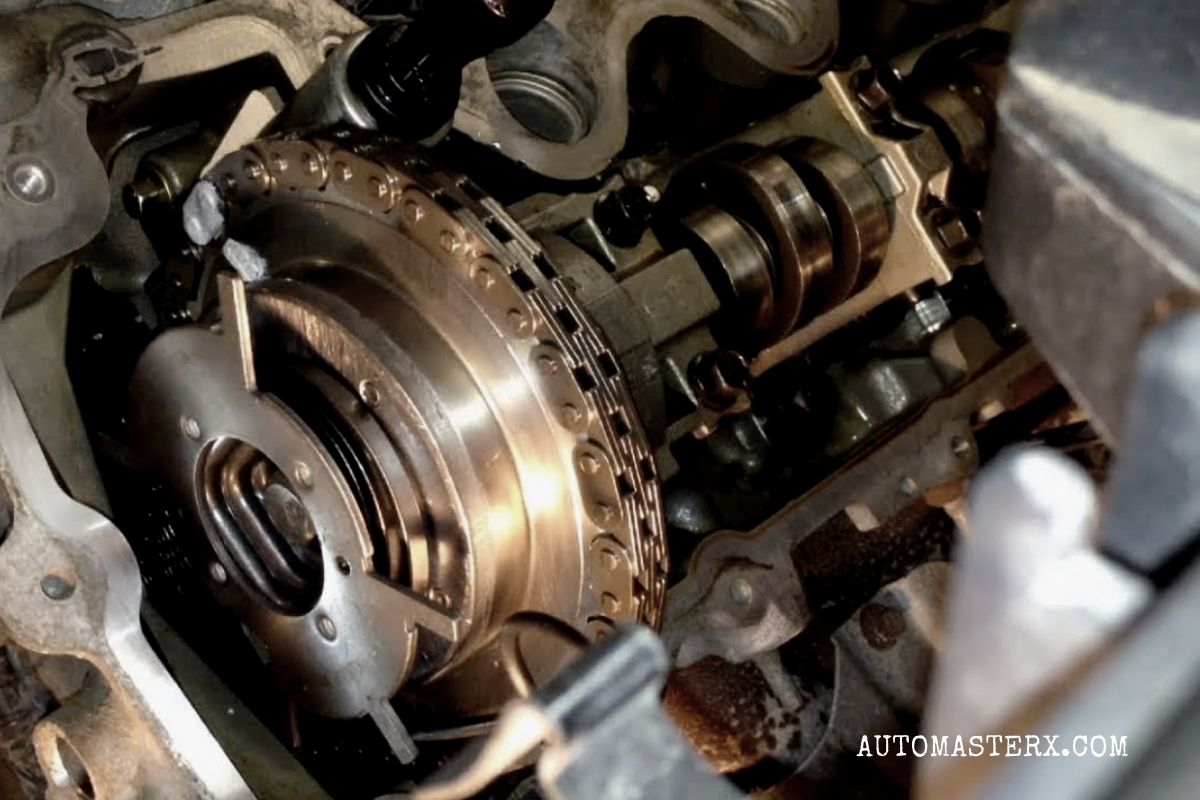
Let's talk about camshafts and your powertrain warranty. This is a topic that comes up frequently, especially as vehicles age and components start to show wear. While powertrain warranties are designed to cover the major moving parts responsible for propelling your vehicle, the specific coverage of a camshaft can be a little more nuanced. Think of this as a deeper dive, beyond the dealership's quick explanation, geared towards those of you comfortable getting your hands dirty or at least understanding the inner workings of your engine.
Understanding the Powertrain Warranty
First, let's solidify what a powertrain warranty *generally* covers. The powertrain is essentially the system that gets power from the engine to the wheels. This typically includes:
- Engine: This is the heart of the powertrain, covering internal lubricated parts like pistons, connecting rods, crankshaft, cylinder heads, engine block, and yes, the camshaft.
- Transmission: Whether automatic or manual, the transmission and its internal components fall under powertrain coverage.
- Drivetrain: This encompasses the parts that transfer power from the transmission to the wheels, including the driveshaft, axles, differentials, and in some cases, the transfer case in four-wheel-drive vehicles.
Now, here's the catch: "typically" is the operative word. Warranty language can be vague and open to interpretation. Each manufacturer has its own specific wording, and what's covered on a Ford might differ slightly from what's covered on a Toyota. Always consult your warranty documentation directly for the definitive answer.
The Camshaft: A Critical Component
The camshaft is a rotating shaft within the engine that contains lobes, or cams, which actuate the valves. These valves control the intake of air and fuel into the cylinders and the exhaust of combustion gases out of the cylinders. The camshaft's timing and the shape of the lobes are crucial for engine performance, dictating factors like horsepower, torque, and fuel efficiency. It's driven by the crankshaft, typically via a timing belt or chain. A malfunction here can lead to misfires, rough running, loss of power and even potentially catastrophic engine damage.
Because it's an integral lubricated part of the engine, the camshaft is usually covered under a powertrain warranty. However, the reason for its failure is paramount.
When is the Camshaft Covered?
If the camshaft fails due to a manufacturing defect or premature wear under normal operating conditions, it's highly likely to be covered. For example:
- Metal fatigue: The camshaft is made of metal, and over time, it can experience fatigue, leading to cracks and eventual failure. If this happens prematurely and isn't related to abuse or neglect, it's usually a warranty issue.
- Poor lubrication: If a component within the engine fails, leading to lack of proper lubrication to the camshaft, the warranty often covers the resulting damage to the camshaft, as the initial component failure is the root cause.
- Defective material: If the camshaft was manufactured with substandard materials that caused it to fail sooner than expected, the warranty should cover the repair.
Documentation is key here. Keep meticulous records of all maintenance, including oil changes, as neglecting these services can provide the manufacturer with grounds to deny coverage.
When is the Camshaft NOT Covered?
Here's where things get tricky. The powertrain warranty *won't* cover camshaft failures that are caused by:
- Neglect: As mentioned, neglecting routine maintenance, especially oil changes, is a major red flag. A lack of proper lubrication can cause excessive wear on the camshaft and other engine components.
- Abuse: This includes things like racing, off-roading beyond the vehicle's intended capabilities, or consistently driving in a manner that puts undue stress on the engine.
- Modifications: If you've modified your engine in a way that contributes to the camshaft failure, your warranty claim is likely to be denied. This includes things like installing an aftermarket camshaft with aggressive lobes, forced induction (turbocharger or supercharger) modifications not approved by the manufacturer, or using performance-enhancing additives that aren't recommended. However, there are “Magnuson-Moss Warranty Act” stipulations that protect consumers from blanket denials – if the manufacturer can't *prove* the aftermarket part caused the failure, they can’t necessarily deny the claim.
- Contamination: If debris enters the engine and damages the camshaft, it might not be covered, especially if the contamination is linked to external factors (e.g., driving through deep water). However, if the contamination originated from a failed internal engine component, like a broken valve spring, the resulting camshaft damage is more likely to be covered.
- Collateral Damage from Non-Covered Components: If another component outside of the powertrain fails (e.g., the accessory belt breaks and wraps around the crankshaft pulley interfering with the timing belt), damage to the camshaft from that would usually not be covered under the powertrain warranty.
Important Note: Manufacturers often use phrases like "consequential damage" in their warranty agreements. This means that if a covered component fails and causes damage to other components, the resulting damage is also covered. However, the initial failure must be a covered event.
Proving Your Case
If you believe your camshaft failure should be covered under warranty, be prepared to present your case. This means:
- Document Everything: Keep meticulous records of all maintenance, repairs, and any unusual symptoms you've experienced with your vehicle.
- Get a Diagnosis: Have a reputable mechanic diagnose the problem and provide a written report detailing the cause of the failure. Ideally, this should be a mechanic who is familiar with your vehicle's make and model.
- Review Your Warranty: Read your warranty documentation carefully to understand your rights and obligations.
- Contact the Manufacturer: If the dealership denies your claim, contact the manufacturer directly and appeal their decision. Often, escalating the issue to the manufacturer's corporate office can lead to a more favorable outcome.
- Consider an Independent Inspection: If you and the manufacturer are still at odds, consider having an independent inspection performed by a qualified third-party mechanic. Their findings can provide additional support for your claim.
Camshaft Failure Warning Signs
Being proactive can often prevent catastrophic camshaft failure. Keep an eye (and ear) out for these warning signs:
- Ticking or Clicking Noises: Unusual noises coming from the engine, especially ticking or clicking sounds, can indicate a problem with the camshaft or valve train.
- Rough Idling: A rough idle can be a sign of a worn camshaft lobe or a damaged valve.
- Misfires: Misfires occur when one or more cylinders aren't firing properly, and a worn camshaft can contribute to this.
- Loss of Power: A worn camshaft can reduce the engine's ability to efficiently intake air and fuel, leading to a noticeable loss of power.
- Check Engine Light: While the check engine light can illuminate for a variety of reasons, it's always a good idea to have it checked out, especially if you're experiencing other symptoms. Use an OBD-II scanner to get the trouble codes yourself to get a better understanding of what's happening.
- Increased Fuel Consumption: A failing camshaft can negatively impact fuel efficiency.
Preventative Measures
While camshafts will wear over time, you can take steps to extend their lifespan and minimize the risk of premature failure:
- Regular Oil Changes: Use the correct type of oil and change it according to the manufacturer's recommendations. This is the single most important thing you can do to protect your engine.
- Proper Cooling System Maintenance: Overheating can stress engine components, including the camshaft. Ensure your cooling system is functioning properly.
- Avoid Excessive Revving: Don't consistently redline your engine, as this puts undue stress on all its components.
- Use High-Quality Fuel: Using fuel with the correct octane rating can help prevent engine knock, which can damage the camshaft.
Conclusion
Camshafts are generally covered under a powertrain warranty, but the devil is always in the details. Understanding the terms of your warranty, maintaining your vehicle properly, and documenting everything are essential steps in ensuring that you're protected in case of a camshaft failure. Remember, if you have doubts or disagreements with the dealership, don't hesitate to escalate the issue to the manufacturer and seek professional advice from an independent mechanic. By staying informed and proactive, you can navigate the often-complex world of automotive warranties with confidence.