
Catalytic Converter For 2001 Nissan Maxima
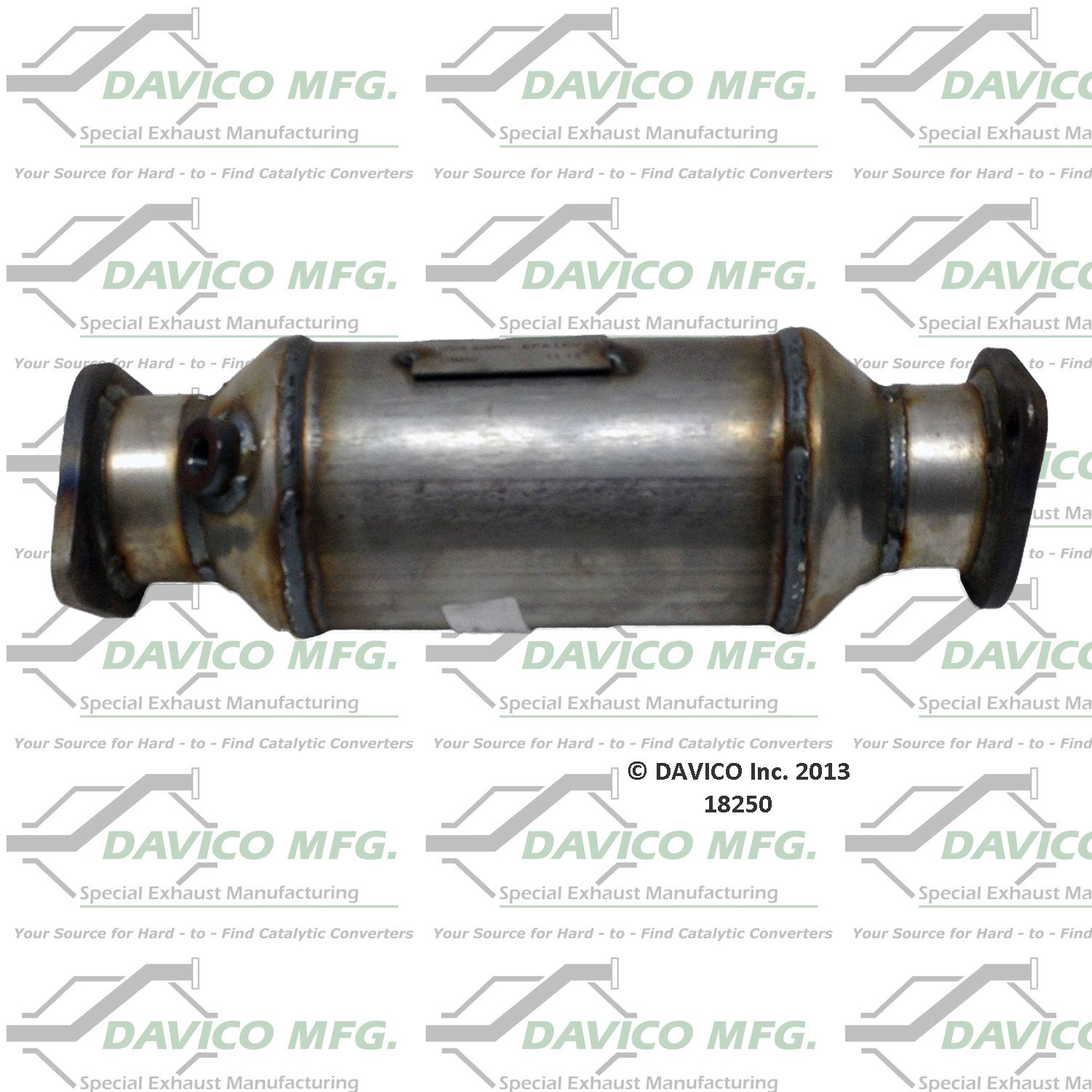
If you own a 2001 Nissan Maxima, you understand the importance of keeping it running smoothly. One crucial component that ensures both performance and environmental responsibility is the catalytic converter. This article provides a comprehensive guide to understanding the catalytic converter in your 2001 Nissan Maxima, covering its function, potential issues, replacement options, and how to maintain it.
Understanding Your 2001 Nissan Maxima's Catalytic Converter
The catalytic converter is an emissions control device in your 2001 Nissan Maxima's exhaust system. Its primary function is to convert harmful pollutants produced by the engine into less harmful substances. These pollutants include:
- Hydrocarbons (HC): Unburned fuel
- Carbon Monoxide (CO): A poisonous gas
- Nitrogen Oxides (NOx): Contributors to smog and acid rain
The catalytic converter uses catalysts, typically platinum, palladium, and rhodium, to facilitate chemical reactions that convert these harmful substances into water (H2O), carbon dioxide (CO2), and nitrogen (N2). A properly functioning catalytic converter is crucial for passing emissions tests and maintaining air quality.
How the Catalytic Converter Works
Inside the catalytic converter, a ceramic honeycomb structure coated with the precious metal catalysts provides a large surface area for exhaust gases to interact with. The converter operates at high temperatures, typically between 400 and 800 degrees Celsius (752-1472 degrees Fahrenheit), to enable the chemical reactions to occur efficiently. There are two main types of catalytic converters:
- Two-Way Catalytic Converter: Primarily reduces HC and CO. Older vehicles often used this type.
- Three-Way Catalytic Converter: Reduces HC, CO, and NOx. The 2001 Nissan Maxima uses a three-way catalytic converter to meet stricter emissions standards.
The 2001 Nissan Maxima likely uses a three-way converter, which includes a reduction catalyst to deal with NOx, and an oxidation catalyst to deal with HC and CO.
Common Issues with the Catalytic Converter in a 2001 Nissan Maxima
Several factors can contribute to the failure of a catalytic converter in a 2001 Nissan Maxima. Identifying these issues early can help prevent further damage to your vehicle.
- Overheating: Excessive heat can melt the internal components of the converter, rendering it ineffective. This can be caused by engine misfires, fuel system problems, or other issues that lead to unburned fuel entering the exhaust system.
- Contamination: Oil leaks, coolant leaks, or excessive carbon buildup can coat the catalysts, preventing them from functioning correctly.
- Physical Damage: Road debris, accidents, or even rust can damage the converter's housing or internal structure.
- Age and Wear: Like any component, the catalytic converter has a limited lifespan. Over time, the catalysts can become less effective, leading to reduced performance.
Symptoms of a Failing Catalytic Converter
Recognizing the symptoms of a failing catalytic converter is crucial for addressing the problem promptly. Some common symptoms include:
- Check Engine Light: This is often the first sign of a problem. The diagnostic code P0420 ("Catalyst System Efficiency Below Threshold") is commonly associated with a failing catalytic converter.
- Reduced Engine Performance: A clogged or damaged converter can restrict exhaust flow, leading to reduced power and acceleration.
- Poor Fuel Economy: A failing converter can cause the engine to work harder, resulting in decreased fuel efficiency.
- Rattling Noises: Internal damage can cause the converter to rattle, especially when the engine is running.
- Failed Emissions Test: If your vehicle fails an emissions test, a faulty catalytic converter is a likely culprit.
- Sulfur Smell (Rotten Eggs): This odor can indicate that the catalytic converter is not functioning correctly and is releasing excessive sulfur compounds.
Replacing the Catalytic Converter on Your 2001 Nissan Maxima
If your 2001 Nissan Maxima's catalytic converter has failed, replacement is often necessary. Here's what you need to know:
Choosing a Replacement Catalytic Converter
When selecting a replacement, you have a few options:
- OEM (Original Equipment Manufacturer): These converters are manufactured by Nissan and are designed to meet the exact specifications of your vehicle. They are typically the most expensive option but offer the best performance and fit.
- Aftermarket Catalytic Converters: These are manufactured by third-party companies. They can be more affordable than OEM converters but vary in quality. It's crucial to choose a reputable brand that meets EPA standards.
- High-Flow Catalytic Converters: These converters are designed to improve exhaust flow and potentially increase engine performance. However, they may not be legal in all areas and could affect emissions compliance. Check local regulations.
Important Considerations:
Ensure the replacement catalytic converter is EPA-compliant (Environmental Protection Agency) and CARB-compliant (California Air Resources Board) if you reside in California or a state that follows California's emissions standards.
Installation
Replacing a catalytic converter can be a relatively straightforward process for experienced DIY mechanics. However, it often involves working with rusted bolts and potentially hot exhaust components. If you are not comfortable with this type of work, it is best to have a professional mechanic perform the replacement.
Steps for Installation (General Guide):
- Safety First: Allow the exhaust system to cool completely before starting. Wear safety glasses and gloves.
- Loosen and Remove the Old Converter: Use penetrating oil on any rusted bolts. Carefully remove the bolts connecting the old converter to the exhaust manifold and the exhaust pipe. You may need to use a breaker bar or torch to loosen stubborn bolts.
- Inspect the Flanges: Check the flanges on the exhaust manifold and exhaust pipe for damage or corrosion. Replace them if necessary.
- Install New Gaskets: Use new gaskets between the converter and the exhaust components to ensure a tight seal.
- Install the New Converter: Align the new converter with the exhaust system and secure it with the bolts. Tighten the bolts to the manufacturer's specifications.
- Check for Leaks: Start the engine and listen for any exhaust leaks. If you hear leaks, tighten the bolts or replace the gaskets.
Cost of Replacement
The cost of replacing a catalytic converter on a 2001 Nissan Maxima can vary depending on the type of converter you choose and whether you install it yourself or have a professional do it. Generally, you can expect to pay:
- OEM Converter: $500 - $1000+ (parts only)
- Aftermarket Converter: $200 - $600 (parts only)
- Labor Cost: $100 - $300 (depending on the shop)
Therefore, the total cost can range from $300 to $1300 or more.
Maintaining Your Catalytic Converter for Longevity
Proper maintenance can significantly extend the life of your catalytic converter and prevent premature failure.
- Regular Engine Maintenance: Keep your engine properly tuned, including spark plugs, air filter, and fuel injectors. A well-maintained engine produces fewer pollutants and reduces the strain on the catalytic converter.
- Address Engine Misfires Promptly: Misfires can send raw fuel into the exhaust system, which can overheat and damage the converter.
- Fix Oil and Coolant Leaks: Oil and coolant contamination can significantly shorten the lifespan of the catalytic converter.
- Avoid Short Trips: Short trips don't allow the catalytic converter to reach its optimal operating temperature, reducing its effectiveness.
- Use High-Quality Fuel: Using high-quality fuel can help prevent carbon buildup in the engine and exhaust system.
- Inspect Regularly: Visually inspect the catalytic converter for signs of damage or corrosion during routine maintenance.
Legal Considerations
It is illegal to remove or tamper with a catalytic converter unless you are replacing it with a functioning unit that meets EPA or CARB standards. Doing so can result in fines and penalties. Always check local regulations regarding catalytic converter replacement and emissions compliance.
By understanding the function, potential issues, and maintenance requirements of your 2001 Nissan Maxima's catalytic converter, you can ensure that your vehicle operates efficiently and environmentally responsibly for years to come. If you suspect your catalytic converter is failing, consult a qualified mechanic for diagnosis and repair. Ignoring the problem can lead to further engine damage and costly repairs.