
Catalytic Converter For 2002 Nissan Maxima
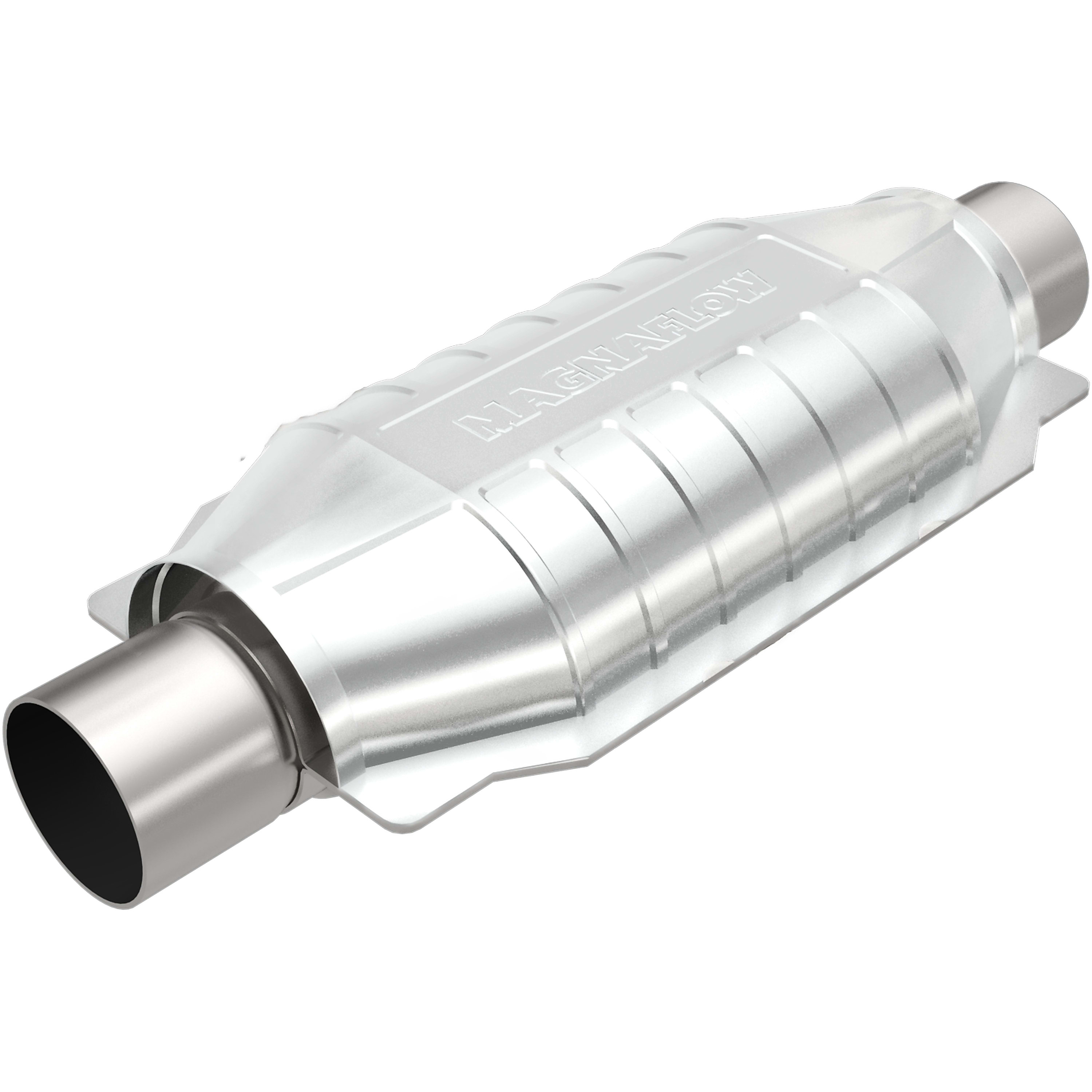
The 2002 Nissan Maxima, known for its reliability and performance, is a popular choice for many drivers. However, like all vehicles, certain parts eventually require replacement. One such component is the catalytic converter. This article provides comprehensive information about catalytic converters for the 2002 Nissan Maxima, covering everything from their function and common issues to replacement options and cost considerations.
What is a Catalytic Converter and Why is it Important?
A catalytic converter is an essential part of your 2002 Nissan Maxima's exhaust system. Its primary function is to reduce harmful emissions produced by the engine, converting pollutants like hydrocarbons (HC), carbon monoxide (CO), and nitrogen oxides (NOx) into less harmful substances such as carbon dioxide (CO2), water (H2O), and nitrogen (N2). Think of it as an emissions control device.
Without a properly functioning catalytic converter, your vehicle will release significantly more pollutants into the atmosphere, contributing to air pollution. Furthermore, it is illegal to operate a vehicle without a working catalytic converter in most jurisdictions.
The catalytic converter works through a chemical process called oxidation-reduction. It contains precious metals, typically platinum, palladium, and rhodium, which act as catalysts to speed up the conversion process. These metals are coated onto a ceramic honeycomb structure inside the converter, maximizing the surface area for reactions.
Benefits of a Working Catalytic Converter:
- Reduces harmful emissions: Protects the environment and public health.
- Ensures legal compliance: Avoids fines and penalties.
- Maintains optimal engine performance: A clogged or damaged converter can negatively affect engine power and fuel efficiency.
- Prevents damage to other components: Backpressure from a faulty converter can stress other exhaust system parts.
Signs of a Failing Catalytic Converter in Your 2002 Nissan Maxima
Recognizing the symptoms of a failing catalytic converter early on can save you time and money. Here are some common indicators that your 2002 Nissan Maxima's catalytic converter may need attention:
- Check Engine Light: The most obvious sign is the illumination of the "Check Engine" light on your dashboard. A common code associated with catalytic converter issues is P0420 ("Catalyst System Efficiency Below Threshold, Bank 1"). While other issues can trigger the check engine light, it's crucial to have your vehicle diagnosed by a qualified mechanic.
- Reduced Engine Performance: A clogged catalytic converter can restrict exhaust flow, leading to a noticeable decrease in engine power and acceleration. You might experience sluggishness, especially when trying to accelerate quickly.
- Poor Fuel Economy: A failing converter can disrupt the engine's air-fuel mixture, resulting in decreased fuel efficiency. You may notice that you're filling up your gas tank more frequently.
- Rattling Noises: If the internal components of the catalytic converter break down, they can create a rattling sound, especially when the engine is running.
- Burning Smell: A damaged converter can overheat, producing a burning smell emanating from under the vehicle. This is a serious sign and should be addressed immediately.
- Failed Emissions Test: If your 2002 Nissan Maxima fails an emissions test, a faulty catalytic converter is a likely culprit.
- Stalling or Rough Idling: In some cases, a severely clogged converter can cause the engine to stall or idle roughly.
If you experience any of these symptoms, it's essential to have your 2002 Nissan Maxima inspected by a qualified mechanic to determine the root cause and address the issue promptly.
Causes of Catalytic Converter Failure
Several factors can contribute to the premature failure of a catalytic converter in your 2002 Nissan Maxima:
- Engine Misfires: Misfires cause unburnt fuel to enter the exhaust system and overheat the catalytic converter, potentially damaging its internal components.
- Oil Leaks: Oil leaks into the exhaust system can contaminate the catalytic converter and reduce its efficiency.
- Coolant Leaks: Similar to oil leaks, coolant leaks can also damage the catalytic converter.
- Old Age: Catalytic converters have a lifespan, and their efficiency naturally decreases over time.
- Physical Damage: Impacts from road debris or accidents can physically damage the converter.
- Contaminated Fuel: Using fuel with high levels of contaminants can negatively impact the converter's performance.
- Rich Fuel Mixture: A consistently rich fuel mixture (too much fuel, not enough air) can overload the catalytic converter.
Addressing underlying engine problems promptly can help prevent catalytic converter failure and extend its lifespan. Regular maintenance, such as oil changes and tune-ups, is crucial for keeping your 2002 Nissan Maxima running smoothly and minimizing the risk of converter damage.
Replacing the Catalytic Converter on Your 2002 Nissan Maxima
If your 2002 Nissan Maxima's catalytic converter has failed, replacement is often necessary. Here's what you need to know about the replacement process:
Choosing a Replacement Catalytic Converter:
Several options are available when replacing the catalytic converter:
- OEM (Original Equipment Manufacturer) Catalytic Converter: These are the same converters that were originally installed on your 2002 Nissan Maxima. They offer the best fit and performance but are typically the most expensive option.
- Aftermarket Catalytic Converter: Aftermarket converters are manufactured by companies other than Nissan. They are generally more affordable than OEM converters but may vary in quality and performance. Look for reputable brands and ensure the converter meets EPA standards.
- High-Flow Catalytic Converter: Designed for increased exhaust flow and performance, often used in modified vehicles. Check local regulations, as these may not be street legal in all areas.
- Used Catalytic Converter: While potentially the cheapest option, buying a used catalytic converter is risky. The converter's condition is unknown, and it may fail soon after installation. Furthermore, regulations surrounding the sale of used catalytic converters are complex and vary by location due to concerns about theft.
Installation:
Replacing a catalytic converter is typically a straightforward process, but it's recommended to have it done by a qualified mechanic. The steps generally involve:
- Lifting the vehicle and securing it on jack stands.
- Locating the catalytic converter (usually in the exhaust system near the engine).
- Disconnecting any sensors or other components attached to the converter.
- Removing the old catalytic converter. This may require cutting or unbolting it from the exhaust system.
- Installing the new catalytic converter, ensuring a proper seal with new gaskets.
- Reconnecting any sensors or other components.
- Lowering the vehicle and starting the engine to check for leaks.
Improper installation can lead to leaks or damage to the new converter. It's crucial to ensure all connections are secure and the converter is properly aligned.
Cost of Replacing the Catalytic Converter
The cost of replacing the catalytic converter on your 2002 Nissan Maxima can vary significantly depending on several factors:
- Type of Catalytic Converter: OEM converters are generally more expensive than aftermarket options. High-flow converters also tend to be pricier.
- Labor Costs: Labor rates vary from shop to shop. It's advisable to get quotes from multiple mechanics before proceeding.
- Location: Prices can vary depending on your geographic location.
- Additional Repairs: If other exhaust system components need to be repaired or replaced at the same time, this will increase the overall cost.
As a general estimate, replacing the catalytic converter on a 2002 Nissan Maxima can range from $300 to $1200 or more, including parts and labor. It is highly recommended to get quotes from several reputable repair shops to get an accurate estimate for your specific situation. Don't just choose the cheapest option; consider the shop's reputation and warranty policies. It's also a good idea to ask if the quoted price includes the cost of any necessary gaskets or hardware. A reputable shop will provide a detailed breakdown of the costs involved.
Tips for Maintaining Your Catalytic Converter
Here are some tips to help extend the lifespan of your 2002 Nissan Maxima's catalytic converter:
- Regular Maintenance: Keep your engine properly maintained with regular oil changes, tune-ups, and spark plug replacements.
- Address Engine Issues Promptly: Fix any engine misfires, oil leaks, or coolant leaks immediately to prevent damage to the converter.
- Use Quality Fuel: Use high-quality fuel from reputable gas stations to minimize contamination.
- Avoid Short Trips: Short trips don't allow the catalytic converter to reach its optimal operating temperature, which can reduce its efficiency over time.
- Drive Carefully: Avoid driving through deep water or over rough terrain, as this can physically damage the converter.
By following these tips, you can help ensure that your catalytic converter lasts as long as possible, saving you money and reducing your vehicle's environmental impact.
Legal Considerations
It's important to be aware of the legal regulations surrounding catalytic converters in your area. In many jurisdictions, it is illegal to remove or tamper with a catalytic converter. Also, be wary of suspiciously low prices on catalytic converters, as these may be stolen. Ensure that any replacement converter you purchase is compliant with EPA standards and local regulations. Failure to comply with these regulations can result in fines and penalties. Furthermore, buying a stolen catalytic converter, even unknowingly, can lead to legal trouble.
When replacing your 2002 Nissan Maxima's catalytic converter, ensure that the replacement part is certified for your vehicle and meets all applicable emissions standards. Consult with a qualified mechanic or your local Department of Motor Vehicles (DMV) for more information on specific regulations in your area.
In conclusion, understanding the function, symptoms of failure, replacement options, and legal considerations surrounding the catalytic converter on your 2002 Nissan Maxima is crucial for maintaining your vehicle's performance, ensuring legal compliance, and protecting the environment. By being proactive with maintenance and addressing issues promptly, you can keep your Maxima running smoothly for years to come.