
Catalytic Converter For 2004 Nissan Xterra
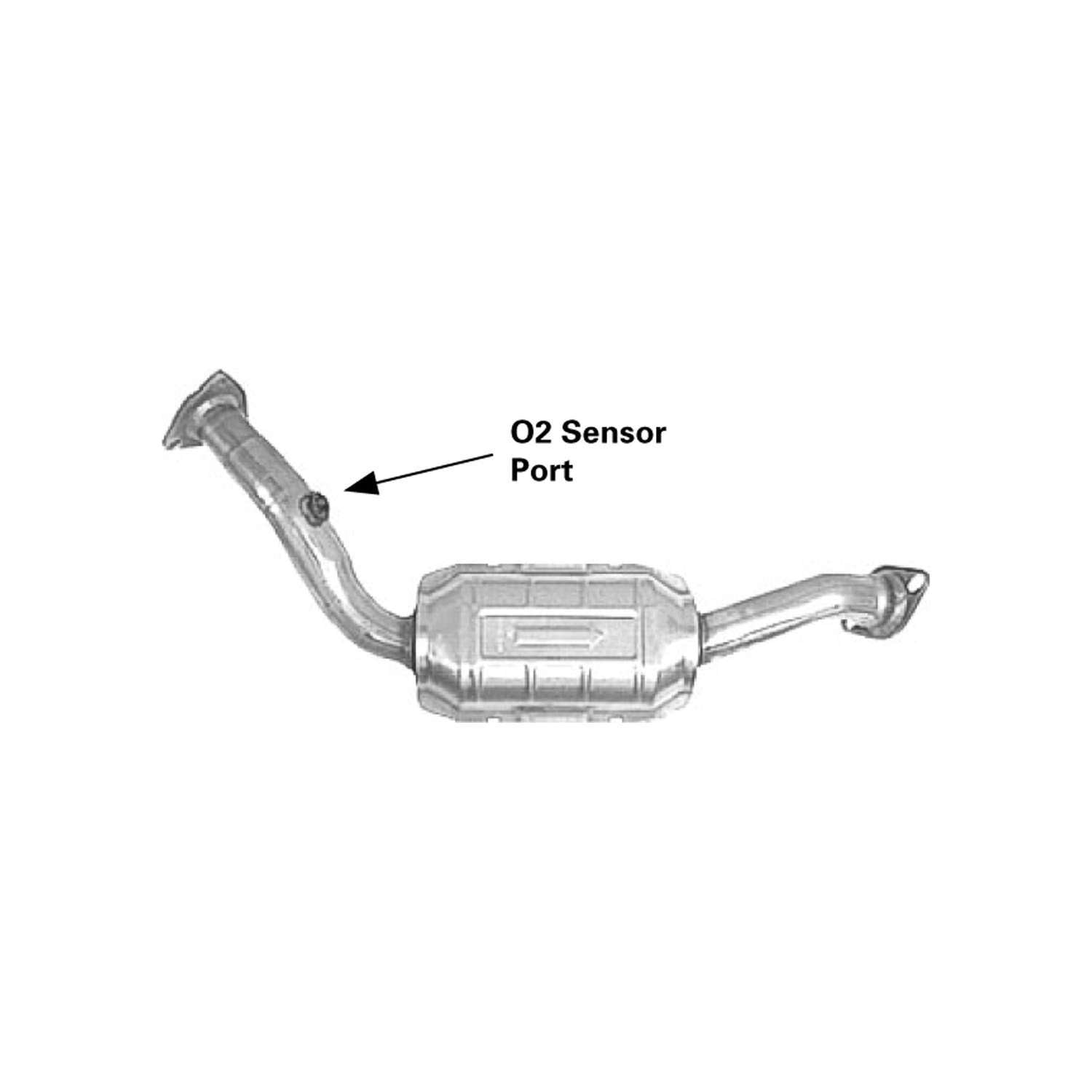
If you own a 2004 Nissan Xterra, maintaining its emissions system is crucial for both environmental responsibility and vehicle performance. A key component of this system is the catalytic converter. This device plays a vital role in reducing harmful pollutants released into the atmosphere. Over time, catalytic converters can degrade or fail, necessitating replacement. This article provides a comprehensive overview of catalytic converters for your 2004 Nissan Xterra, covering everything from identifying signs of failure to choosing the right replacement.
Understanding Catalytic Converters
At its core, a catalytic converter is an emissions control device that uses a catalyst to convert harmful gases and pollutants from an internal combustion engine into less harmful ones. These pollutants, primarily hydrocarbons (HC), carbon monoxide (CO), and nitrogen oxides (NOx), are converted into water (H2O), carbon dioxide (CO2), and nitrogen (N2).
The catalytic converter consists of a ceramic or metallic substrate coated with a catalyst, typically platinum, palladium, and rhodium. As exhaust gases flow through the converter, these catalysts facilitate chemical reactions that break down the pollutants. There are two main types of catalytic converters:
- Two-Way Catalytic Converters: These converters oxidize hydrocarbons and carbon monoxide into water and carbon dioxide. They were primarily used in older vehicles.
- Three-Way Catalytic Converters: Modern vehicles, including your 2004 Nissan Xterra, use three-way converters. They simultaneously reduce NOx into nitrogen and oxygen, as well as oxidize hydrocarbons and carbon monoxide.
The placement of the catalytic converter is also important. Your Xterra may have one or more catalytic converters, often located in the exhaust system between the engine and the muffler. Some vehicles have a pre-converter (or manifold converter) located closer to the engine for faster warm-up and a main converter further downstream.
Why Catalytic Converters Fail on a 2004 Nissan Xterra
Several factors can contribute to the failure of a catalytic converter on your 2004 Nissan Xterra. Understanding these reasons can help you prevent premature failure and maintain the longevity of your emissions system:
- Contamination: This is the most common cause of catalytic converter failure. Coolant leaks, oil consumption, or excessive fuel entering the exhaust system can contaminate the catalyst, rendering it ineffective. These contaminants can coat the catalyst, preventing it from interacting with the exhaust gases.
- Physical Damage: Road debris, such as rocks or potholes, can damage the converter's housing or internal components. This damage can crack the substrate or disrupt the flow of exhaust gases.
- Overheating: An excessively rich fuel mixture or misfires can cause the catalytic converter to overheat. This high temperature can melt the catalyst, reducing its efficiency.
- Age and Wear: Like any other automotive component, catalytic converters have a limited lifespan. Over time, the catalyst can degrade due to normal wear and tear, reducing its effectiveness.
- Clogged Converter: Excessive carbon buildup or debris can clog the converter, restricting exhaust flow and causing engine performance issues.
Symptoms of a Failing Catalytic Converter
Recognizing the symptoms of a failing catalytic converter is crucial for addressing the issue promptly and preventing further damage to your 2004 Nissan Xterra. Common symptoms include:
- Check Engine Light: The most common indicator is the illumination of the check engine light on your dashboard. Diagnostic trouble codes (DTCs) related to catalytic converter efficiency (e.g., P0420) will be stored in the vehicle's computer.
- Reduced Engine Performance: A failing catalytic converter can restrict exhaust flow, leading to a decrease in engine power, acceleration, and overall performance.
- Poor Fuel Economy: The restricted exhaust flow can also negatively impact fuel efficiency, resulting in more frequent trips to the gas station.
- Rattling Noise: A damaged or deteriorated catalytic converter may produce a rattling noise, especially during acceleration or when the engine is running. This noise is often caused by loose or broken internal components.
- Failed Emissions Test: If your Xterra fails an emissions test, a faulty catalytic converter is a likely culprit.
- Sulfur Smell (Rotten Eggs): A failing catalytic converter may emit a sulfur-like odor, often described as a "rotten egg" smell. This odor is caused by the converter's inability to properly process sulfur compounds in the exhaust gas.
- Overheating Under the Vehicle: A clogged or failing converter can get excessively hot, sometimes causing radiant heat noticeable under the vehicle floor.
Choosing the Right Replacement Catalytic Converter for Your 2004 Nissan Xterra
When replacing the catalytic converter on your 2004 Nissan Xterra, it's essential to choose a replacement that meets or exceeds the original equipment manufacturer (OEM) specifications. Several factors should be considered during the selection process:
- OEM vs. Aftermarket: OEM catalytic converters are manufactured by Nissan or its suppliers and are designed specifically for your Xterra. They typically offer the best performance and reliability but can be more expensive. Aftermarket catalytic converters are produced by independent manufacturers and can be a more affordable option. However, quality and performance can vary significantly.
- CARB Compliance: If you live in California or a state that follows California emissions standards, you'll need to ensure that the replacement catalytic converter is CARB (California Air Resources Board) compliant. CARB-compliant converters have been tested and certified to meet California's stringent emissions requirements. Using a non-CARB-compliant converter in these states is illegal and will result in failing an emissions test.
- Direct-Fit vs. Universal: Direct-fit catalytic converters are designed to bolt directly into your Xterra's exhaust system without any modifications. They are the easiest to install and generally the preferred choice. Universal catalytic converters require cutting and welding to fit your exhaust system. While they are often more affordable, installation can be more complex and may require professional assistance.
- Warranty: Look for a replacement catalytic converter with a solid warranty. A good warranty indicates the manufacturer's confidence in the product's quality and provides protection against defects.
- Reputation and Reviews: Research the reputation of the manufacturer and read reviews from other Xterra owners before making a purchase. This can provide valuable insights into the product's performance and reliability.
Common brands of catalytic converters that may fit your 2004 Nissan Xterra include MagnaFlow, Walker, and Bosal. Always verify compatibility using your vehicle's VIN (Vehicle Identification Number) when ordering parts.
Installation Considerations
Replacing a catalytic converter can be a challenging task, depending on your mechanical skills and the condition of your exhaust system. If you're comfortable working on cars and have the necessary tools, you may be able to perform the replacement yourself. However, if you're not experienced with exhaust system repairs, it's best to entrust the job to a qualified mechanic.
Before starting the installation, be sure to gather the necessary tools and equipment, including:
- New catalytic converter
- New gaskets and hardware
- Wrench set
- Socket set
- Penetrating oil
- Jack and jack stands
- Safety glasses
- Gloves
Here are some general steps involved in replacing a catalytic converter:
- Safety First: Disconnect the negative battery cable and allow the exhaust system to cool completely before starting any work.
- Raise the Vehicle: Use a jack and jack stands to safely raise the vehicle and provide access to the exhaust system.
- Loosen Fasteners: Apply penetrating oil to the bolts and nuts connecting the catalytic converter to the exhaust system. Allow the oil to soak for several minutes to help loosen the fasteners.
- Remove the Old Converter: Carefully remove the old catalytic converter, taking care not to damage the surrounding exhaust components.
- Install New Gaskets and Hardware: Install new gaskets and hardware to ensure a proper seal and prevent exhaust leaks.
- Install the New Converter: Position the new catalytic converter and tighten the fasteners to the manufacturer's specified torque.
- Lower the Vehicle: Carefully lower the vehicle back to the ground.
- Reconnect Battery: Reconnect the negative battery cable.
- Test Drive: Start the engine and check for any exhaust leaks. Take the vehicle for a test drive to ensure that the new catalytic converter is functioning properly.
Cost of Replacing a Catalytic Converter
The cost of replacing a catalytic converter on your 2004 Nissan Xterra can vary depending on several factors, including:
- Type of Converter: OEM converters are typically more expensive than aftermarket options. CARB-compliant converters may also be more costly.
- Labor Costs: If you choose to have a mechanic perform the replacement, labor costs will add to the overall expense. Labor rates vary depending on your location and the mechanic's hourly rate.
- Additional Repairs: In some cases, other exhaust system components may need to be replaced along with the catalytic converter, such as oxygen sensors or exhaust pipes. This will increase the overall cost of the repair.
As a general estimate, you can expect to pay anywhere from $300 to $1000 or more to replace the catalytic converter on your 2004 Nissan Xterra. It's always a good idea to get quotes from several different mechanics before making a decision.
Preventing Future Catalytic Converter Problems
While catalytic converters inevitably wear out over time, you can take steps to prolong their lifespan and prevent premature failure:
- Regular Maintenance: Follow your Xterra's recommended maintenance schedule, including oil changes, spark plug replacements, and air filter replacements.
- Address Engine Issues: Promptly address any engine issues, such as misfires, coolant leaks, or excessive oil consumption, as these can damage the catalytic converter.
- Avoid Short Trips: Short trips can prevent the catalytic converter from reaching its optimal operating temperature, which can reduce its efficiency.
- Use Quality Fuel: Use high-quality fuel that meets or exceeds Nissan's specifications.
- Inspect Exhaust System: Regularly inspect your exhaust system for leaks or damage. Address any issues promptly to prevent further damage to the catalytic converter.
Conclusion
The catalytic converter is a vital component of your 2004 Nissan Xterra's emissions system. By understanding its function, recognizing the signs of failure, and choosing the right replacement, you can ensure that your Xterra continues to operate efficiently and meet emissions standards. Regular maintenance and prompt attention to engine issues can also help prolong the lifespan of your catalytic converter and prevent costly repairs. Always remember to consult a qualified mechanic for diagnosis and repair if you are unsure about any aspect of your vehicle's emissions system.