
Catalytic Converter For Nissan Altima 2007
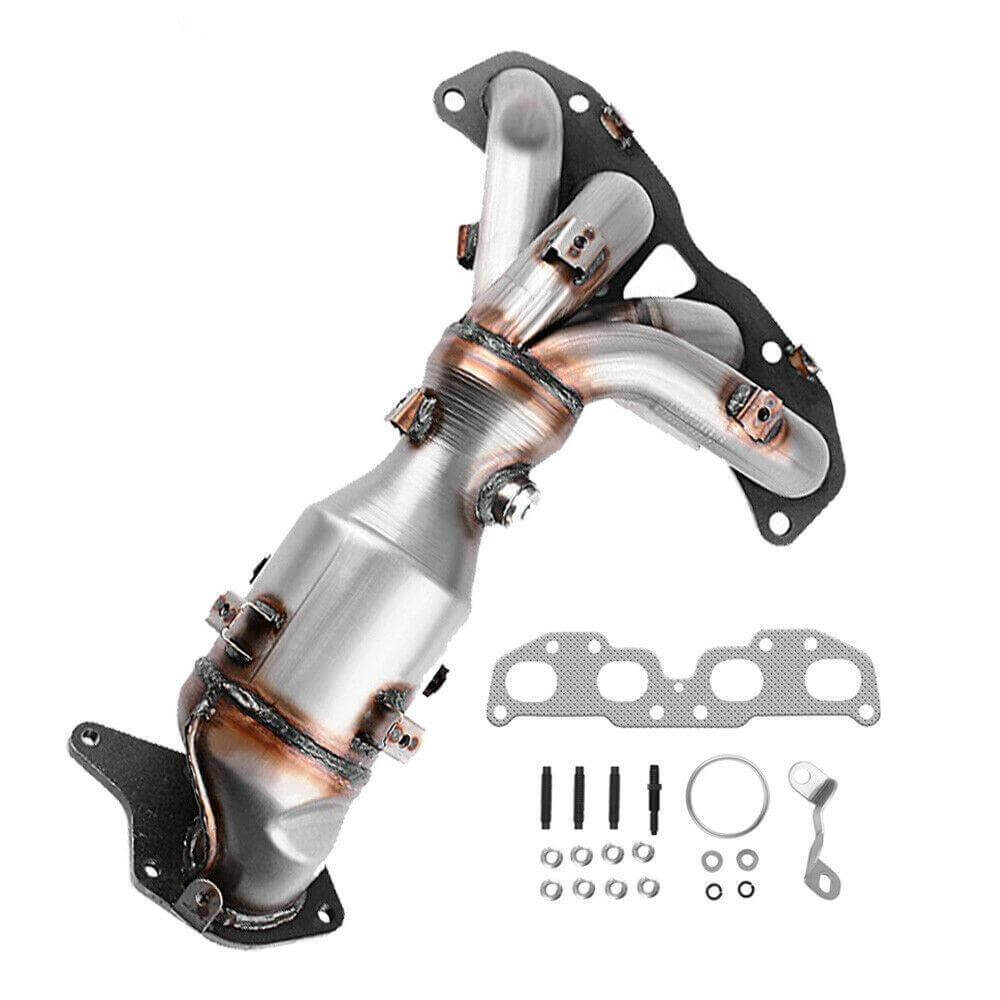
The 2007 Nissan Altima, a popular mid-size sedan, relies on a catalytic converter to meet stringent emissions standards. This seemingly simple device plays a critical role in reducing harmful pollutants released into the atmosphere. This article delves into the technical aspects of the catalytic converter used in the 2007 Altima, exploring its construction, function, diagnostics, and potential issues.
Understanding the Catalytic Converter's Role
At its core, the catalytic converter is a chemical reactor. It's designed to convert harmful exhaust gases produced by the engine into less harmful substances. These gases include:
- Hydrocarbons (HC): Unburned fuel contributing to smog.
- Carbon Monoxide (CO): A poisonous, odorless gas.
- Nitrogen Oxides (NOx): Contribute to smog and acid rain.
The converter uses catalysts, typically precious metals like platinum, palladium, and rhodium, to accelerate chemical reactions without being consumed in the process. These metals are coated onto a ceramic substrate within the converter housing.
Construction and Components
The catalytic converter on a 2007 Nissan Altima consists of several key components, each contributing to its overall effectiveness:
The Substrate
The substrate is the internal structure that supports the catalyst. It's usually made of a ceramic material, formed into a honeycomb or monolithic structure. This design maximizes the surface area exposed to the exhaust gases. A larger surface area means more catalyst is available for reaction, leading to greater conversion efficiency. The 2007 Altima often employs a ceramic substrate, although some aftermarket options may use metallic substrates for improved durability.
The Catalyst Coating
The precious metal catalysts are applied to the substrate as a thin coating. This coating is not pure metal; it's usually a mixture of the metals in a carefully controlled ratio, optimized for specific reactions. The catalyst coating is a crucial factor in the converter's performance and longevity. Over time, the catalyst can become "poisoned" by contaminants in the exhaust gas, reducing its effectiveness.
The Housing
The housing is a metal casing that protects the substrate and catalysts from the harsh environment under the car. It's designed to withstand high temperatures, vibrations, and impacts from road debris. The housing also provides mounting points for connection to the exhaust system. The material used for the housing is typically stainless steel or aluminized steel for corrosion resistance.
Oxygen Sensors
While not strictly part of the converter itself, oxygen sensors (O2 sensors) are critical to its proper function. The Altima typically has two O2 sensors associated with the converter: one upstream (before) and one downstream (after). The upstream sensor monitors the air/fuel ratio entering the converter, allowing the engine control unit (ECU) to adjust the mixture for optimal converter efficiency. The downstream sensor monitors the oxygen content of the exhaust gases exiting the converter. This provides feedback to the ECU, allowing it to assess the converter's performance. A significant difference in oxygen levels between the upstream and downstream sensors indicates that the converter is functioning correctly.
The Three-Way Catalytic Converter Process
The 2007 Nissan Altima utilizes a three-way catalytic converter. This type of converter is designed to simultaneously reduce three pollutants:
- Reduction of NOx to Nitrogen (N2): Rhodium catalysts primarily facilitate this reaction. The general equation is: 2NOx → xO2 + N2
- Oxidation of CO to Carbon Dioxide (CO2): Platinum and palladium catalysts promote this reaction. The general equation is: 2CO + O2 → 2CO2
- Oxidation of HC to Carbon Dioxide (CO2) and Water (H2O): Platinum and palladium catalysts also handle this reaction. The general equation is: HC + O2 → CO2 + H2O
The effectiveness of these reactions depends on several factors, including the temperature of the converter, the air/fuel ratio, and the condition of the catalysts. The ideal operating temperature for a catalytic converter is typically between 400°C and 800°C (752°F and 1472°F).
Diagnostics and Common Problems
A malfunctioning catalytic converter can lead to several symptoms and diagnostic trouble codes (DTCs). Some common problems include:
- Check Engine Light (CEL): The most common indicator of a problem. Codes like P0420 ("Catalyst System Efficiency Below Threshold, Bank 1") are frequently associated with converter issues.
- Reduced Engine Performance: A clogged or inefficient converter can restrict exhaust flow, leading to reduced power and acceleration.
- Poor Fuel Economy: An inefficient converter can cause the engine to run richer, resulting in decreased fuel efficiency.
- Rattling Noises: A damaged substrate within the converter can create rattling sounds, especially when the engine is running.
- Failed Emissions Test: A malfunctioning converter will likely cause the vehicle to fail an emissions test.
Diagnosing catalytic converter problems typically involves using an OBD-II scanner to retrieve DTCs. Further investigation may include inspecting the converter for physical damage, checking the O2 sensor readings, and performing a backpressure test to assess exhaust flow restriction. A professional mechanic can use a gas analyzer to measure the levels of different pollutants in the exhaust, providing a more precise assessment of the converter's performance.
Important Note: Replacing a catalytic converter is a significant repair, and it's crucial to diagnose the underlying cause of the failure before replacing the converter. Problems such as engine misfires, oil leaks, or coolant leaks can damage the converter and should be addressed first.
Factors Affecting Catalytic Converter Longevity
The lifespan of a catalytic converter can vary significantly depending on several factors:
- Engine Condition: A well-maintained engine with proper air/fuel ratios and no leaks will help prolong the life of the converter.
- Fuel Quality: Using high-quality fuel and avoiding fuel additives that can damage the catalyst is essential.
- Driving Habits: Frequent short trips can prevent the converter from reaching its optimal operating temperature, reducing its efficiency and lifespan.
- Maintenance: Regular maintenance, including oil changes, spark plug replacement, and air filter replacement, can help prevent problems that can damage the converter.
- Physical Damage: Impacts from road debris can damage the converter housing and substrate, leading to premature failure.
Replacement Considerations
When replacing a catalytic converter on a 2007 Nissan Altima, it's important to consider several factors:
- OEM vs. Aftermarket: Original Equipment Manufacturer (OEM) converters are typically more expensive but offer the best performance and reliability. Aftermarket converters are generally less expensive but may not meet the same standards of quality and performance.
- CARB Compliance: In some states, such as California, catalytic converters must be certified by the California Air Resources Board (CARB) to be legal for sale and use. Ensure that any replacement converter is CARB-compliant if required in your state.
- Warranty: Check the warranty offered by the manufacturer or supplier. A longer warranty can provide peace of mind and protection against premature failure.
- Professional Installation: It's recommended to have a qualified mechanic install the new converter. Proper installation is essential to ensure proper function and prevent leaks.
Conclusion
The catalytic converter is a vital component of the 2007 Nissan Altima's emission control system. Understanding its construction, function, and potential problems is essential for maintaining the vehicle's performance and ensuring compliance with environmental regulations. Regular maintenance and proper diagnosis of any issues can help prolong the life of the converter and prevent costly repairs. By paying attention to the health of the catalytic converter, owners can contribute to cleaner air and a more sustainable environment.