
Cilindro Maestro De Frenos Nissan Pick Up
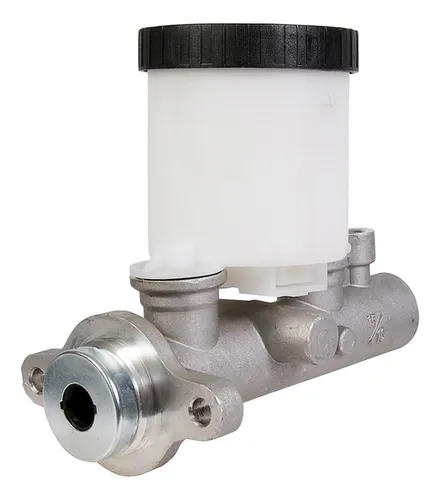
The Nissan Pick Up, a workhorse known for its reliability, depends on a robust braking system. At the heart of this system lies the master cylinder, a crucial component responsible for converting the driver's pedal force into hydraulic pressure. Understanding its function and mechanics is vital for any enthusiast or aspiring automotive technician. This guide provides an in-depth look at the Nissan Pick Up's brake master cylinder.
Function and Operation
The brake master cylinder's primary job is to supply pressurized brake fluid to the wheel cylinders or calipers when the brake pedal is depressed. It's a fairly simple device in principle, but its correct operation is absolutely critical for safe braking.
How it Works: A Step-by-Step Explanation
- Pedal Application: When the driver presses the brake pedal, the force is transmitted to the pushrod, which in turn pushes the primary piston within the master cylinder bore.
- Primary Circuit Activation: The primary piston compresses brake fluid in the primary circuit. This pressure increase seals off the compensating port (more on this later) and begins building pressure towards the front brakes (typically).
- Secondary Circuit Activation: As the primary piston moves, it eventually pushes the secondary piston. This piston, in turn, pressurizes the secondary brake circuit, supplying fluid to the rear brakes (typically).
- Hydraulic Pressure: The pressurized brake fluid travels through brake lines to the wheel cylinders or calipers at each wheel.
- Wheel Cylinder/Caliper Activation: In drum brake systems, the pressurized fluid forces the wheel cylinder pistons outwards, pressing the brake shoes against the brake drums. In disc brake systems, the fluid pressure forces the caliper piston to clamp the brake pads against the rotor.
- Brake Release: When the driver releases the brake pedal, the return spring(s) inside the master cylinder push the pistons back to their original positions. This releases the pressure in the brake lines, allowing the wheel cylinders or calipers to retract, and disengaging the brakes.
Components of the Nissan Pick Up Master Cylinder
While specific designs may vary slightly between model years and trim levels, the core components of a Nissan Pick Up brake master cylinder remain consistent. Understanding these components is crucial for troubleshooting and repair.
- Cylinder Body/Housing: The main body of the master cylinder, typically made of cast iron or aluminum. It houses the internal components and provides mounting points to the brake booster (if equipped) and the brake lines.
- Reservoir: A plastic container mounted on top of the cylinder body that holds the brake fluid. It's usually translucent to allow for easy fluid level inspection. The reservoir also has vents to allow for atmospheric pressure equalization.
- Primary Piston: The first piston in the bore, directly actuated by the pushrod from the brake pedal.
- Secondary Piston: The second piston in the bore, moved by the primary piston.
- Seals (Cups): Rubber or synthetic seals that fit around the pistons to prevent brake fluid leakage and maintain pressure. These are critical for the master cylinder's functionality.
- Return Springs: Springs located behind the pistons that return them to their resting position when the brake pedal is released.
- Pushrod: Connects the brake pedal to the primary piston. The length of the pushrod is critical for proper brake function and must be correctly adjusted.
- Compensating Ports: Small ports that allow brake fluid to flow back and forth between the reservoir and the cylinder bore. These ports are essential for compensating for thermal expansion and contraction of the brake fluid and for ensuring proper piston return. One is generally associated with the primary circuit and the other with the secondary circuit.
- Residual Pressure Valves (RPVs) (May not be present in all models): These valves, if present, maintain a slight residual pressure in the brake lines. This helps to keep the brake shoes or pads close to the drums or rotors, reducing brake pedal travel and improving responsiveness. More common in older drum brake systems.
- Outlet Ports: The ports where the brake lines connect to the master cylinder, allowing pressurized brake fluid to flow to the wheels.
Dual-Circuit Master Cylinder: Enhanced Safety
The Nissan Pick Up, like most modern vehicles, utilizes a dual-circuit master cylinder. This design enhances safety by dividing the braking system into two independent hydraulic circuits. Typically, one circuit operates the front brakes, and the other operates the rear brakes.
The benefit of this design is that if one circuit fails (e.g., due to a leak), the other circuit will continue to provide braking power, albeit at a reduced level. This significantly improves the driver's ability to stop the vehicle in an emergency situation. The two pistons inside the master cylinder directly correspond to these circuits.
Why is this important? Imagine a single brake line ruptures. Without a dual-circuit system, all braking force would be lost. With it, you maintain braking force in at least two wheels.
Troubleshooting and Maintenance
A malfunctioning master cylinder can compromise braking performance and pose a serious safety hazard. Here are some common symptoms and troubleshooting tips:
- Spongy Brake Pedal: This can be caused by air in the brake lines, a leaking master cylinder, or worn brake components. Bleeding the brakes is the first step in addressing this issue. If the problem persists, inspect the master cylinder for leaks and replace if necessary.
- Brake Pedal Sinking to the Floor: This usually indicates a significant leak in the brake system, often within the master cylinder itself. Inspect for external leaks around the master cylinder body and lines. Internal leaks (past the seals within the cylinder) can also cause this. Replacement is usually required.
- Loss of Braking Power: This can be caused by a variety of factors, including a failing master cylinder, a leak in the brake lines, or worn brake components. A thorough inspection of the entire braking system is necessary.
- Brake Fluid Leaks: Inspect the master cylinder body, reservoir, and connections for any signs of brake fluid leakage. Leaks can compromise braking performance and should be addressed immediately. Check the pushrod seal at the back of the master cylinder as well.
- Brake Warning Light: Illumination of the brake warning light on the dashboard can indicate a problem with the braking system, including a low brake fluid level (which could be caused by a leak in the master cylinder).
Maintenance Tips
- Regular Brake Fluid Checks: Check the brake fluid level in the reservoir regularly and top up as needed. Use only the recommended type of brake fluid (DOT 3 or DOT 4, as specified by Nissan).
- Brake Fluid Flush: Flush the brake fluid every two to three years, or as recommended by Nissan. Brake fluid absorbs moisture over time, which can reduce its effectiveness and corrode brake components.
- Inspect for Leaks: Regularly inspect the master cylinder and brake lines for any signs of leaks. Address any leaks promptly to prevent further damage and maintain braking performance.
- Proper Installation: When replacing the master cylinder, ensure that it is properly installed and bled. Follow the manufacturer's instructions carefully.
Replacing the Master Cylinder (Simplified Overview)
Disclaimer: This is a simplified overview and should not replace professional guidance. Always consult a qualified mechanic if you are unsure about any repair procedure.
- Disconnect the Battery: Disconnect the negative battery cable to prevent electrical shorts.
- Remove the Brake Fluid: Use a turkey baster or similar tool to remove as much brake fluid as possible from the reservoir.
- Disconnect the Brake Lines: Carefully disconnect the brake lines from the master cylinder. Use line wrenches to prevent rounding off the fittings. Plug the lines to prevent brake fluid from leaking out.
- Disconnect the Electrical Connector (if applicable): Some master cylinders have an electrical connector for the brake fluid level sensor. Disconnect this connector.
- Remove the Master Cylinder: Unbolt the master cylinder from the brake booster (if equipped) or the firewall.
- Bench Bleed the New Master Cylinder: This is CRUCIAL. Before installing the new master cylinder, bench bleed it to remove any air from the cylinder. Use a bench bleeding kit or insert brake lines into the cylinder outlets and submerge the other ends in the reservoir. Push the pistons in and out until no more air bubbles emerge.
- Install the New Master Cylinder: Bolt the new master cylinder in place and reconnect the brake lines and electrical connector (if applicable).
- Bleed the Brakes: Bleed the entire braking system to remove any air from the lines. Start with the wheel furthest from the master cylinder and work your way closer.
- Check for Leaks: After bleeding the brakes, carefully inspect the master cylinder and brake lines for any signs of leaks.
- Test Drive: Perform a test drive to ensure that the brakes are functioning properly.
Understanding the intricacies of your Nissan Pick Up's brake master cylinder empowers you to maintain a safer and more reliable vehicle. While this guide offers valuable insights, remember to prioritize safety and consult with qualified professionals when tackling complex repairs.