
Continental Crosscontact Lx Sport Run Flat
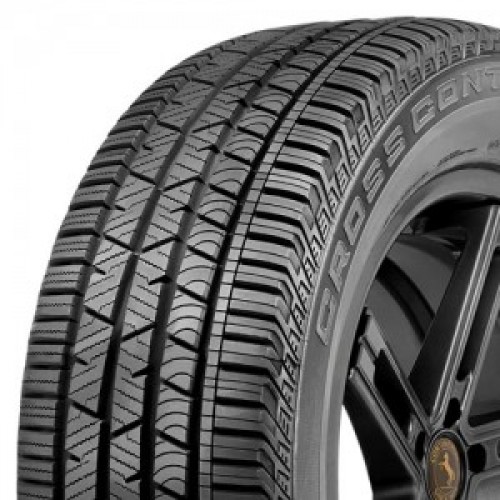
Alright, let's dive deep into the Continental CrossContact LX Sport Run Flat tire. This isn't your average tire; it's designed for performance SUVs and crossovers, and the 'Run Flat' designation adds another layer of complexity and capability. As a DIYer who appreciates knowing the ins and outs, you'll want to understand what makes this tire tick.
Understanding the Continental CrossContact LX Sport
First, let's break down the base tire, the CrossContact LX Sport. This tire is engineered for on-road driving, prioritizing comfort, handling, and longevity. It's typically found as original equipment (OE) on many SUVs, so you might already be familiar with its characteristics. Key features include:
- Asymmetric Tread Pattern: This means the tread pattern on the inside of the tire is different from the outside. The inner shoulder is designed for efficient water evacuation, improving wet traction and reducing the risk of hydroplaning. The outer shoulder focuses on providing stability and grip during cornering.
- Circumferential Ribs: These are the continuous grooves running around the tire's circumference. They provide straight-line stability and reduce rolling resistance, which can contribute to better fuel economy.
- Optimized Tread Compound: Continental uses a specific rubber compound formulated for a balance of grip, wear resistance, and low rolling resistance. This compound often includes silica, which enhances wet grip without sacrificing durability.
- Internal Construction: Typically, the CrossContact LX Sport uses a reinforced internal structure with steel belts and a polyester cord body. This provides strength, stability, and contributes to ride comfort.
These features combine to deliver a tire that's comfortable for daily driving, offers predictable handling, and is designed to last a reasonable amount of miles.
The Run Flat Difference: SSR Technology
Now, let's get to the core of what makes this tire special: the 'Run Flat' capability. Continental refers to their Run Flat technology as SSR (Self-Supporting Runflat). This isn't just a marketing gimmick; it's a significant engineering feat. Here's what SSR entails:
- Reinforced Sidewalls: The key to Run Flat technology lies in the dramatically reinforced sidewalls. These sidewalls are designed to support the weight of the vehicle even when there's a complete loss of air pressure. They prevent the tire from collapsing and deforming excessively.
- Heat Resistance: When a tire runs flat, friction between the tire and the road generates a lot of heat. SSR tires are built with special heat-resistant compounds to withstand these extreme temperatures and prevent the tire from disintegrating.
- Specific Bead Design: The bead is the part of the tire that seals against the wheel rim. Run Flat tires have a specialized bead design to prevent them from de-mounting from the rim during a flat. This is crucial for maintaining control of the vehicle.
How SSR Works in Practice: Imagine you're driving and suddenly get a puncture. With a standard tire, you'd likely experience a rapid loss of pressure, leading to instability and potentially a dangerous situation. With an SSR tire, you'll still experience the pressure loss, but the reinforced sidewalls will prevent the tire from collapsing. You can then continue driving for a limited distance (typically 50 miles at a maximum speed of 50 mph – check the specific tire's rating) to a safe location to have the tire repaired or replaced. It essentially buys you time and prevents you from being stranded on the side of the road.
Technical Considerations and Trade-offs
While Run Flat tires offer significant benefits, there are also some trade-offs to consider. Understanding these will help you make an informed decision about whether they're right for your vehicle and driving style:
- Ride Comfort: The stiffer sidewalls of Run Flat tires can result in a slightly harsher ride compared to standard tires. This is because the sidewalls absorb less of the road imperfections. However, manufacturers like Continental are constantly working to improve the ride comfort of Run Flat tires.
- Weight: Run Flat tires are generally heavier than standard tires due to the added reinforcement. This increased weight can slightly impact fuel economy and acceleration.
- Cost: Run Flat tires are typically more expensive than standard tires. This is due to the more complex construction and specialized materials used in their manufacture.
- Tire Pressure Monitoring System (TPMS): Crucially, Run Flat tires require a properly functioning TPMS. Since you might not immediately notice a loss of pressure with a Run Flat tire, the TPMS alerts you to the problem, allowing you to take appropriate action. Never disable or ignore TPMS warnings when using Run Flat tires.
- Repair Limitations: Depending on the severity and location of the puncture, Run Flat tires might not be repairable. Many tire shops are hesitant to repair Run Flat tires, as a compromised sidewall could lead to a catastrophic failure later on. It's best to consult with a reputable tire professional.
Installation and Maintenance
Installing and maintaining Continental CrossContact LX Sport Run Flat tires requires some specific considerations:
- Professional Installation: While you might be comfortable changing standard tires, it's highly recommended to have Run Flat tires installed by a professional. They have the specialized equipment and expertise to handle the stiffer sidewalls and ensure proper bead seating.
- Tire Pressure Monitoring: As mentioned earlier, a functional TPMS is essential. Make sure the system is properly calibrated and that you understand how to interpret the warnings.
- Regular Inspections: Periodically inspect your tires for any signs of damage, such as cuts, bulges, or uneven wear. Pay particular attention to the sidewalls.
- Proper Inflation: Maintain the correct tire pressure as specified by the vehicle manufacturer. Over- or under-inflation can negatively impact handling, wear, and the effectiveness of the Run Flat capability.
- Rotation: Regular tire rotation is important for even wear. Follow the vehicle manufacturer's recommended rotation pattern.
In Conclusion
The Continental CrossContact LX Sport Run Flat is a sophisticated tire designed for drivers who prioritize safety and convenience. The SSR technology provides peace of mind, knowing that you can continue driving even after a puncture. However, it's essential to understand the trade-offs in terms of ride comfort, weight, and cost. If you value the ability to avoid being stranded on the side of the road and are willing to accept the slightly firmer ride and higher price, the CrossContact LX Sport Run Flat could be an excellent choice for your SUV or crossover. Just remember to keep your TPMS in good working order and follow proper installation and maintenance procedures.
Before making a final decision, it's always wise to consult with a trusted tire professional who can assess your specific needs and driving conditions. They can provide personalized recommendations and ensure that you choose the right tire for your vehicle.