
Engine Power Reduced Nissan Titan Xd
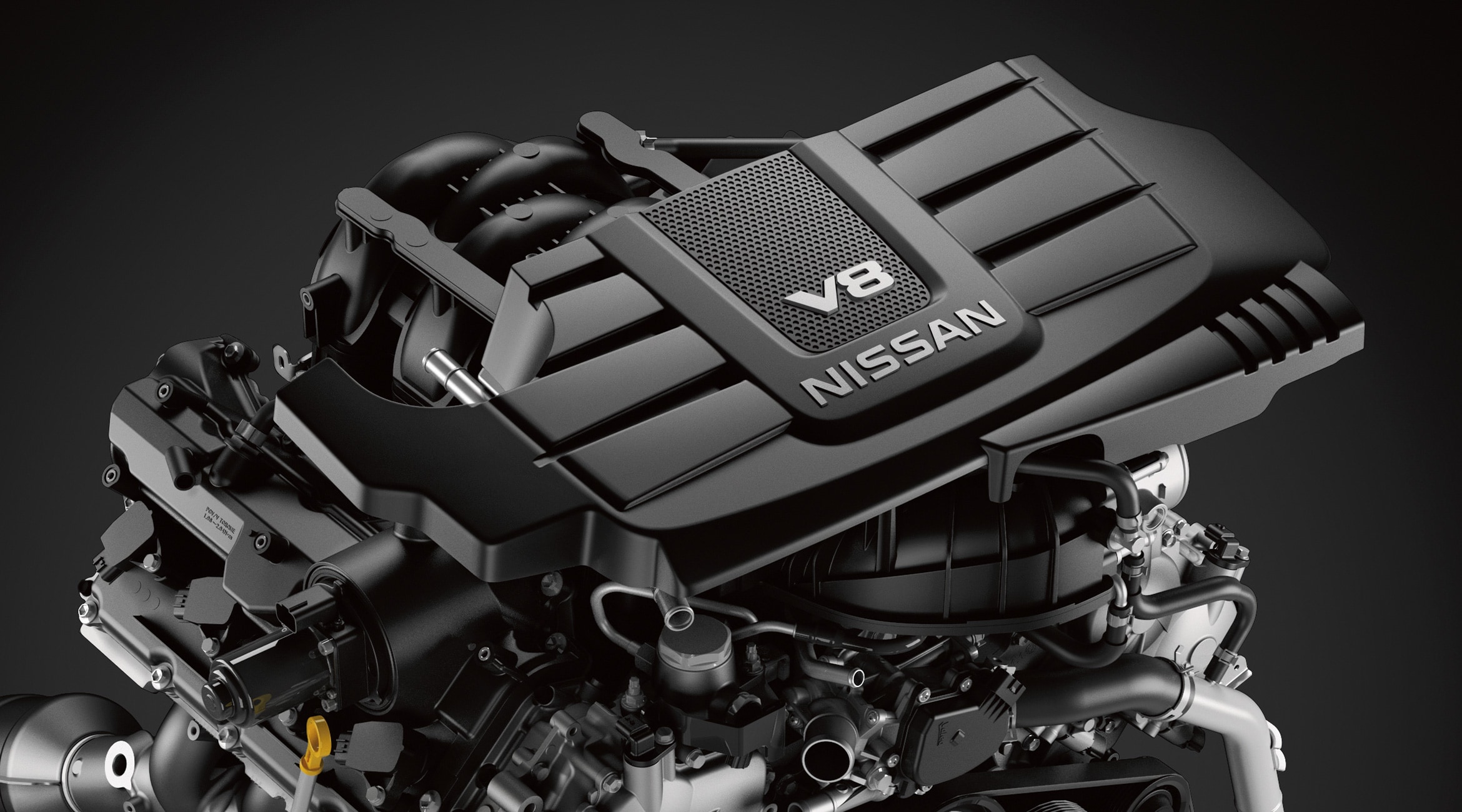
So, you're experiencing "Engine Power Reduced" on your Nissan Titan XD? That's never good, but don't panic. This message usually indicates the Engine Control Unit (ECU), essentially the truck's brain, has detected a problem that could potentially damage the engine. To protect itself, the ECU limits engine power, often referred to as limp mode. Let's break down the common causes and troubleshooting steps, assuming you've already got a decent understanding of basic automotive repair.
Understanding "Engine Power Reduced"
First, it's crucial to understand that "Engine Power Reduced" isn't the problem itself; it's a symptom. Think of it like a fever. The fever tells you something is wrong, but you need to find the root cause of the illness. Similarly, we need to identify the underlying issue triggering the ECU's response. The first step is to read the Diagnostic Trouble Codes (DTCs) using an OBD-II scanner. Even a basic scanner can provide valuable clues. Write down all the codes – they're essential for diagnosis.
The Nissan Titan XD, especially models with the 5.0L Cummins diesel, can trigger this warning for a wide variety of reasons. We'll focus on the most common culprits.
Common Causes and Troubleshooting
1. Issues with the Diesel Particulate Filter (DPF)
This is a frequent offender, particularly on diesel models. The DPF captures soot from the exhaust to reduce emissions. Over time, it can become clogged. The ECU monitors DPF pressure and soot levels. If these exceed preset limits, the "Engine Power Reduced" message can appear.
Troubleshooting:
- Forced Regeneration: The ECU normally initiates a regeneration cycle where it raises the exhaust temperature to burn off the accumulated soot. Sometimes, this process fails, especially with frequent short trips where the engine doesn't reach operating temperature. Try forcing a regeneration cycle using a professional-grade scan tool capable of bi-directional communication. Not all scan tools can do this, so check the tool's specifications.
- DPF Pressure Sensors: These sensors can fail, providing false readings to the ECU. Check the live data stream on your scanner to see if the upstream and downstream DPF pressure sensors are reading plausible values. A faulty sensor might show a drastically different reading than expected. Use a multimeter to test the sensor's voltage output and compare it to the manufacturer's specifications.
- DPF Cleaning or Replacement: If regeneration fails and the sensors are functioning correctly, the DPF may be excessively clogged and require professional cleaning or replacement. This is a costly repair, but sometimes necessary.
Before opting for replacement, consider having the DPF professionally cleaned. This can often restore its functionality at a fraction of the cost.
- EGR Valve Functionality: The Exhaust Gas Recirculation (EGR) valve is closely related to the DPF. A malfunctioning EGR valve can cause excessive soot production, overwhelming the DPF. Clean the EGR valve and ensure it's functioning properly. Check for carbon buildup, which is a common issue.
2. Fuel System Problems
Fuel delivery issues can significantly impact engine performance and trigger the "Engine Power Reduced" warning. Both diesel and gasoline models can experience these problems.
Troubleshooting:
- Fuel Filter: A clogged fuel filter restricts fuel flow, leading to a lean condition. Replace the fuel filter regularly as part of routine maintenance. Diesel models are particularly sensitive to fuel filter condition.
- Fuel Injectors: Faulty fuel injectors can either under-fuel or over-fuel cylinders, disrupting the air-fuel mixture. Consider sending injectors for cleaning and testing. Use an OBD-II scanner to perform a cylinder balance test. If one cylinder exhibits significantly different fueling characteristics, suspect a faulty injector.
- Fuel Pump: A weak fuel pump may not provide sufficient fuel pressure, especially under load. Use a fuel pressure gauge to verify fuel pressure at the fuel rail. Consult the service manual for the correct pressure specifications.
- High-Pressure Fuel Pump (Diesel Only): The CP4 pump on the 5.0L Cummins has been known to experience failures leading to metal debris in the fuel system. Inspect the fuel filter for metallic flakes. If present, this indicates a serious issue requiring professional diagnosis and repair.
3. Turbocharger Issues (Diesel and some Gas models)
Turbochargers force more air into the engine, boosting power. Problems with the turbocharger can lead to under-boosting or over-boosting, both of which can trigger the warning.
Troubleshooting:
- Boost Leaks: Check all hoses and connections in the intake system for leaks. Even a small leak can significantly reduce boost pressure. Perform a boost leak test using a smoke machine or pressure tester. Listen for hissing sounds.
- Turbocharger Wastegate Actuator: The wastegate regulates boost pressure. A faulty wastegate actuator can cause the turbocharger to over-boost or under-boost. Test the actuator using a vacuum pump or multimeter depending on its design (pneumatic or electronic).
- Turbocharger Vane Position Sensor (Diesel Only): Some turbochargers, particularly on the diesel, use variable geometry turbines (VGT). A faulty vane position sensor can provide incorrect feedback to the ECU, leading to incorrect vane positioning and poor turbocharger performance. Check the sensor's voltage output and compare it to the manufacturer's specifications.
- Turbocharger Damage: Inspect the turbocharger for physical damage, such as damaged turbine blades or excessive shaft play. If you suspect internal damage, consult a professional turbocharger repair shop.
4. Sensor Malfunctions
Numerous sensors provide critical data to the ECU. A malfunctioning sensor can cause the ECU to make incorrect decisions, resulting in the "Engine Power Reduced" warning.
Troubleshooting:
- Mass Airflow Sensor (MAF): The MAF sensor measures the amount of air entering the engine. A dirty or faulty MAF sensor can provide inaccurate readings. Clean the MAF sensor using a MAF sensor cleaner. If cleaning doesn't resolve the issue, replace the sensor.
- Oxygen Sensors (O2 Sensors): O2 sensors monitor the oxygen content in the exhaust. Faulty O2 sensors can disrupt the air-fuel mixture. Check the O2 sensor readings using an OBD-II scanner. Look for slow response times or readings that are outside the expected range.
- Throttle Position Sensor (TPS): The TPS measures the position of the throttle plate. A faulty TPS can cause erratic engine behavior. Check the TPS voltage output as you slowly open and close the throttle. The voltage should change smoothly without any sudden jumps or drops.
- Crankshaft Position Sensor (CKP) and Camshaft Position Sensor (CMP): These sensors are vital for timing. A failing sensor will disrupt the engine's operation and likely prevent it from running smoothly. Check for signal presence using an oscilloscope.
5. Electrical Issues
Wiring problems, loose connections, or corroded terminals can disrupt sensor signals and cause the ECU to trigger the warning.
Troubleshooting:
- Visual Inspection: Carefully inspect all wiring harnesses and connectors for signs of damage, such as frayed wires, cracked insulation, or corroded terminals.
- Continuity Testing: Use a multimeter to check the continuity of wiring circuits. Ensure that there are no breaks in the wiring.
- Grounding Issues: Ensure that all grounding points are clean and secure. Poor grounding can cause a variety of electrical problems.
- Battery Voltage: A weak battery can cause a voltage drop, which can affect sensor readings. Have the battery load tested.
Using Your OBD-II Scanner Effectively
Your OBD-II scanner is your best friend during this process. Don't just read the codes and clear them. Take advantage of its features:
- Live Data: Monitor sensor readings in real-time. This allows you to see how sensors are behaving under different conditions.
- Freeze Frame Data: Freeze frame data captures sensor readings at the moment a DTC was triggered. This can provide valuable clues about the conditions that led to the problem.
- Actuator Tests: Some scanners allow you to activate certain components, such as the EGR valve or fuel injectors, to verify their functionality.
Important Considerations
- Consult the Service Manual: The Nissan Titan XD service manual contains detailed information about the vehicle's systems and components. This is an invaluable resource for troubleshooting and repair.
- Use Genuine Parts: When replacing sensors or components, use genuine Nissan parts or reputable aftermarket brands. Cheap, inferior parts can cause further problems.
- Torque Specifications: Always torque fasteners to the manufacturer's specifications. Overtightening or undertightening fasteners can damage components.
- Safety First: Always disconnect the negative battery cable before working on electrical components. Wear appropriate safety gear, such as gloves and eye protection.
When to Seek Professional Help
While many of these issues can be addressed by a knowledgeable DIYer, some problems require specialized tools and expertise. If you're uncomfortable working on the fuel system, turbocharger, or engine internals, it's best to seek professional help. Furthermore, some DTCs indicate more severe issues that necessitate a qualified mechanic's diagnosis. A shop equipped with advanced diagnostic equipment can pinpoint the problem quickly and accurately, saving you time and money in the long run. Remember, knowing your limitations is crucial.
By systematically troubleshooting the common causes and utilizing your OBD-II scanner effectively, you can hopefully resolve the "Engine Power Reduced" issue on your Nissan Titan XD and get back on the road.