
Frontier Industrial 7500 Diesel Generator
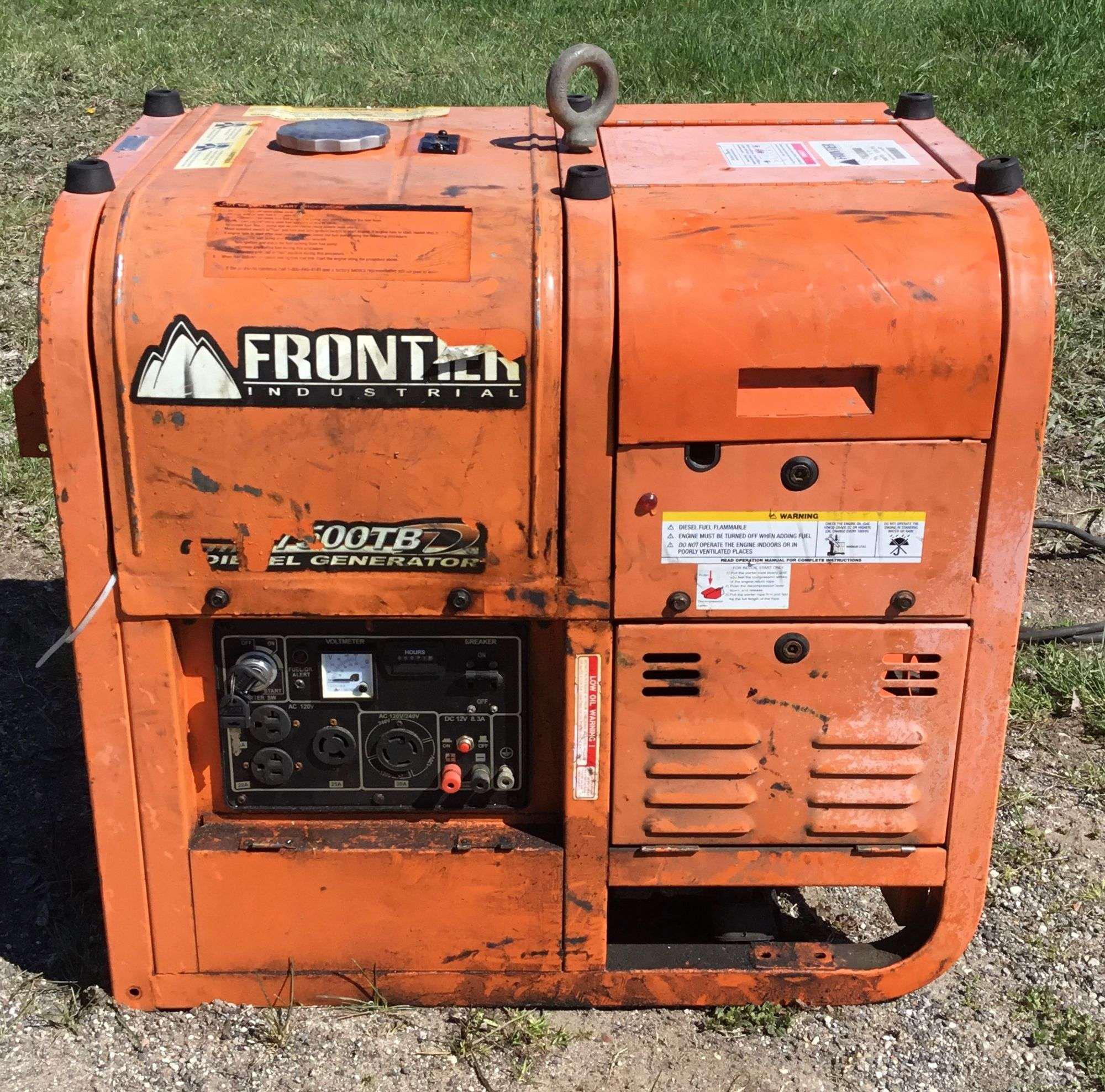
The Frontier Industrial 7500 Diesel Generator. The name itself evokes images of construction sites, remote workshops, and off-grid living. But beyond the rugged exterior and promises of reliable power lies a complex and fascinating piece of engineering. This guide will delve into the inner workings of the Frontier 7500, dissecting its key components and explaining the principles behind its operation.
The Heart of the System: The Diesel Engine
At the core of the Frontier 7500 beats a single-cylinder, four-stroke diesel engine. Unlike gasoline engines which rely on spark plugs to ignite the fuel-air mixture, diesel engines operate on the principle of compression ignition. This means that air is compressed to a very high ratio, typically between 14:1 and 25:1, which dramatically increases its temperature. When diesel fuel is injected into this superheated air, it ignites spontaneously.
Key Components of the Diesel Engine:
- Cylinder Head: Houses the intake and exhaust valves, as well as the fuel injector. Proper valve timing and sealing are crucial for efficient combustion.
- Piston: Moves up and down within the cylinder, compressing the air and transferring power to the crankshaft. Piston rings create a tight seal to prevent combustion gases from leaking into the crankcase.
- Crankshaft: Converts the reciprocating motion of the piston into rotary motion, which ultimately drives the generator. The crankshaft is connected to the piston via the connecting rod.
- Fuel Injector: Sprays a precisely metered amount of diesel fuel into the combustion chamber at the optimal time. Fuel injector performance is critical for fuel efficiency and emissions control.
- Camshaft: Controls the timing of the intake and exhaust valves. The camshaft is driven by the crankshaft, ensuring that the valves open and close at the correct points in the engine cycle.
The Four-Stroke Cycle:
- Intake: The intake valve opens, and the piston moves down, drawing air into the cylinder.
- Compression: The intake valve closes, and the piston moves up, compressing the air. This significantly raises the air temperature.
- Combustion: The fuel injector sprays diesel fuel into the superheated air, causing it to ignite. The expanding gases force the piston down.
- Exhaust: The exhaust valve opens, and the piston moves up, pushing the exhaust gases out of the cylinder.
The Frontier 7500 typically uses a direct injection system, where the fuel is injected directly into the combustion chamber. This provides better fuel efficiency and cleaner emissions compared to indirect injection systems.
The Power Plant: The Alternator
The diesel engine's rotary motion is then harnessed by the alternator, which converts mechanical energy into electrical energy. The alternator consists of two main components: the stator and the rotor.
- Stator: The stationary part of the alternator, containing windings of copper wire. When a magnetic field rotates around these windings, it induces an electric current.
- Rotor: The rotating part of the alternator, containing electromagnets. The rotor is driven by the diesel engine, and its rotation creates a moving magnetic field.
As the rotor spins, its magnetic field sweeps across the stator windings, inducing an alternating current (AC) voltage. The frequency of the AC voltage is determined by the rotational speed of the rotor and the number of poles in the alternator. The Frontier 7500 is designed to produce a frequency of 60 Hz, which is the standard in North America.
The alternator also includes a voltage regulator, which maintains a stable output voltage regardless of the load on the generator. The voltage regulator adjusts the current flowing through the rotor windings, which in turn controls the strength of the magnetic field. This ensures that the generator delivers a consistent voltage to the connected appliances and equipment.
Fuel System: Delivering the Lifeblood
The fuel system is responsible for delivering a clean and precisely metered supply of diesel fuel to the engine. The system typically includes the following components:
- Fuel Tank: Stores the diesel fuel.
- Fuel Filter: Removes contaminants from the fuel, protecting the fuel injector from damage.
- Fuel Pump: Delivers fuel from the tank to the fuel injector.
- Fuel Injector: As described above, sprays fuel into the combustion chamber.
The Frontier 7500 likely utilizes a mechanical fuel injection system, where the fuel pump is driven by the engine and the fuel injector is mechanically actuated. Some newer models might incorporate electronic fuel injection (EFI) for improved fuel efficiency and emissions control.
Cooling System: Preventing Overheating
Diesel engines generate a significant amount of heat during combustion. The cooling system is essential for dissipating this heat and preventing the engine from overheating. The Frontier 7500 typically uses an air-cooled system, which consists of:
- Cooling Fins: Located on the cylinder and cylinder head, these fins increase the surface area for heat dissipation.
- Cooling Fan: Driven by the engine, the fan forces air across the cooling fins, removing heat.
While air-cooled systems are simpler and more reliable than liquid-cooled systems, they are less efficient at dissipating heat. This means that air-cooled generators may need to be derated (i.e., operated at a lower power output) in hot environments.
Exhaust System: Managing Combustion Byproducts
The exhaust system removes the combustion gases from the engine and directs them away from the generator. The system typically includes:
- Exhaust Manifold: Collects the exhaust gases from the cylinder.
- Exhaust Pipe: Carries the exhaust gases away from the engine.
- Muffler: Reduces the noise produced by the exhaust gases.
It is crucial to ensure that the exhaust system is properly vented to the outside, as diesel exhaust contains harmful gases, including carbon monoxide.
Control Panel and Safety Features
The control panel provides the user interface for operating and monitoring the generator. Typical features include:
- Start/Stop Switch: Controls the engine's operation.
- Voltage Meter: Displays the output voltage.
- Frequency Meter: Displays the output frequency.
- Circuit Breakers: Protect the generator and connected appliances from overload.
- Low Oil Shutdown: Automatically shuts down the engine if the oil level is too low.
Safety features are paramount in generator design. The low oil shutdown is a critical feature preventing engine damage from insufficient lubrication. Overload protection via circuit breakers safeguards both the generator and connected equipment from excessive current draw. Grounding the generator frame is essential for preventing electrical shock hazards.
Maintenance: Ensuring Longevity
Regular maintenance is essential for keeping the Frontier 7500 running smoothly and reliably. Key maintenance tasks include:
- Oil Changes: Regularly changing the engine oil is crucial for lubrication and cooling. Follow the manufacturer's recommendations for oil type and change intervals.
- Air Filter Cleaning/Replacement: A clean air filter ensures that the engine receives a sufficient supply of air.
- Fuel Filter Replacement: Replacing the fuel filter regularly prevents contaminants from damaging the fuel injector.
- Valve Adjustment: Periodically adjusting the valves ensures proper valve timing and efficient combustion.
- Checking and Cleaning the Cooling Fins: Keeping the cooling fins clean ensures efficient heat dissipation.
By understanding the fundamental principles of operation and adhering to a regular maintenance schedule, users can maximize the lifespan and reliability of their Frontier Industrial 7500 Diesel Generator. This rugged workhorse, when properly cared for, can provide years of dependable power, making it an invaluable asset for a wide range of applications. The key to its longevity lies in appreciating the engineering intricacies within and proactively addressing its maintenance needs.
Ultimately, the Frontier 7500 is more than just a generator; it's a testament to the ingenuity of mechanical and electrical engineering, packaged into a robust and practical machine. Understanding its workings allows users to not only operate it effectively but also to appreciate the power – both literal and figurative – that it delivers.
It is important to consult the manufacturer's manual for specific instructions and recommendations regarding the operation and maintenance of the Frontier Industrial 7500 Diesel Generator.