
How To Turn Off Abs Light On Nissan Altima
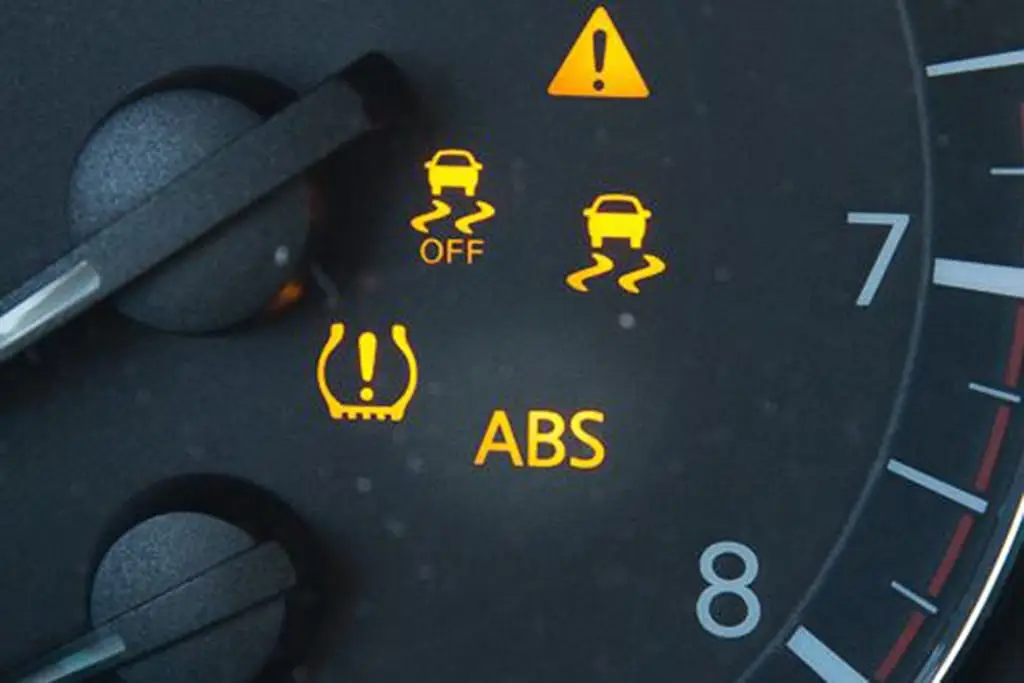
Okay, so your ABS light is on in your Nissan Altima. Don't panic! It can be a little unnerving seeing that warning illuminate on your dashboard, but often it's a problem that can be diagnosed and addressed without too much difficulty. Before you rush off to the repair shop, let's break down what that light means, common culprits, and how you might be able to troubleshoot – and potentially even fix – the issue yourself. I'll give you a heads-up though: while some steps can be DIY, others absolutely require professional-grade diagnostic tools and expertise.
Understanding the ABS Light
First, let's clarify what the ABS (Anti-lock Braking System) light actually indicates. It's telling you that the ABS system has detected a fault somewhere. This doesn't necessarily mean your brakes are completely non-functional. Your regular braking system should still work; however, the ABS, which prevents wheel lockup during hard braking and helps you maintain steering control, might be disabled. In simpler terms, your brakes will work as normal unless you are in a situation where the ABS would normally activate, such as braking hard on a slippery surface. In those situations, your wheels might lock up.
Driving with the ABS light on is generally safe, as long as your standard braking system is functioning correctly. However, you should drive with extra caution and get the issue resolved as soon as possible to restore the full functionality of your braking system.
Common Causes of an Illuminated ABS Light
There are several potential causes for your Altima's ABS light to be triggered. Here are some of the most common:
- Wheel Speed Sensor Issues: These sensors monitor the speed of each wheel. They are the most frequent culprit when the ABS light comes on. A sensor might be damaged, dirty, or have a faulty connection.
- ABS Control Module Problems: The ABS control module is the brain of the system. It processes data from the wheel speed sensors and controls the ABS functions. If the module fails, it will trigger the light.
- Hydraulic Pump or Valve Problems: The ABS system uses a hydraulic pump and valves to regulate brake pressure. Malfunctions in these components can also trigger the warning.
- Low Brake Fluid: Though more likely to trigger the brake warning light, a significantly low brake fluid level can sometimes indirectly affect the ABS system and trigger the ABS light.
- Wiring or Connector Problems: Damaged or corroded wiring or connectors in the ABS system can disrupt communication and trigger the light.
- Blown Fuse: A blown fuse in the ABS circuit can obviously disable the system.
Troubleshooting Steps (DIY Options)
Before you call a mechanic, there are a few simple things you can check yourself:
1. Check Your Brake Fluid Level
Locate the brake fluid reservoir (usually under the hood near the master cylinder). Make sure the fluid level is between the minimum and maximum lines. If it's low, top it off with the correct type of brake fluid (check your owner's manual for specifications). Remember, low brake fluid can indicate a leak in the system, which needs to be addressed promptly.
2. Inspect the ABS Fuses
Consult your owner's manual to locate the fuse box(es) containing the ABS fuse(s). Carefully inspect the fuse(s) for any signs of damage (broken filament). If a fuse is blown, replace it with a new fuse of the same amperage. If the fuse blows again shortly after replacement, there is an electrical problem in the circuit that needs further investigation.
3. Visually Inspect Wheel Speed Sensors and Wiring
This is where things get a little more involved. You'll need to jack up your Altima and remove each wheel, one at a time. Locate the wheel speed sensor near the brake rotor/hub. Look for any obvious signs of damage to the sensor itself or the wiring leading to it. Pay attention to connectors; make sure they are securely plugged in and free from corrosion. Carefully clean any visible dirt or debris from the sensor.
Important Safety Note: Always use jack stands when working under a vehicle! Never rely solely on the jack.
Tools needed: Jack, jack stands, wrench (for lug nuts), possibly a small brush for cleaning.
4. Check for Diagnostic Trouble Codes (DTCs)
This is the most helpful step, but requires an OBD II scanner. This tool plugs into the OBD II port (usually located under the dashboard near the steering wheel) and retrieves diagnostic trouble codes (DTCs) stored in the car's computer. If the ABS light is on, there should be one or more DTCs related to the ABS system. A basic OBD II scanner might only show the generic code (like P0500 for vehicle speed sensor malfunction), but a scanner with ABS diagnostic capabilities can read the specific ABS codes (usually starting with "C"). Write down these codes as they will be very helpful in diagnosing the problem.
Tools needed: OBD II scanner (with ABS diagnostic capabilities is ideal). These can be purchased online or at most auto parts stores. Some auto parts stores also offer free code reading services.
Professional Diagnosis and Repair
If you've performed the above troubleshooting steps and the ABS light is still on, or if you retrieved DTCs that you don't understand, it's time to consult a professional mechanic. Here are some things a mechanic will typically do:
- Advanced Diagnostic Testing: They will use sophisticated diagnostic equipment to pinpoint the exact cause of the problem. This may involve using a scan tool to read live data from the wheel speed sensors while driving, testing the ABS control module, or inspecting the hydraulic system.
- Wheel Speed Sensor Replacement: If a wheel speed sensor is faulty, the mechanic will replace it. The cost of a wheel speed sensor can range from $50 to $200 per sensor, plus labor.
- ABS Control Module Repair or Replacement: If the ABS control module is the problem, it might need to be repaired or replaced. This can be a more expensive repair, potentially costing several hundred to over a thousand dollars, depending on the model and whether a new or refurbished module is used.
- Hydraulic System Repair: Repairs to the hydraulic pump or valves can also be costly, depending on the specific component and the extent of the damage.
- Wiring Repair: Damaged wiring or connectors will be repaired or replaced to ensure proper communication within the ABS system.
Estimated Repair Costs
It's difficult to give precise repair costs without knowing the exact problem. However, here's a general idea:
- Wheel Speed Sensor Replacement: $150 - $350 per sensor (parts and labor)
- ABS Control Module Repair: $300 - $800 (if repairable)
- ABS Control Module Replacement: $800 - $1500+ (parts and labor)
- Hydraulic Pump/Valve Repair: $500 - $1200+ (parts and labor)
- Wiring Repair: $100 - $300 (depending on the extent of the damage)
These are just estimates. It's always best to get a quote from a reputable mechanic before proceeding with any repairs.
Preventative Maintenance
While you can't completely prevent ABS problems, here are some things you can do to minimize the risk:
- Regular Brake Fluid Flushes: Brake fluid absorbs moisture over time, which can corrode brake components and affect ABS performance. Follow your owner's manual's recommended brake fluid flush intervals.
- Inspect Brake Components Regularly: Have your brakes inspected during routine maintenance. This includes checking the brake pads, rotors, calipers, and brake lines.
- Avoid Hard Braking: While the ABS is designed to help in emergency braking situations, excessive hard braking can put unnecessary stress on the system.
Final Thoughts
The ABS light on your Nissan Altima is a signal that something is amiss with your anti-lock braking system. While some minor issues can be addressed with basic DIY troubleshooting, more complex problems require the expertise of a qualified mechanic. By understanding the potential causes and taking appropriate action, you can ensure your braking system is functioning properly and safely.
Remember, your safety is paramount. If you are uncomfortable performing any of the troubleshooting steps described above, or if you are unsure about the diagnosis or repair, don't hesitate to seek professional assistance.