
How To Turn Off Airbag Light Nissan Altima
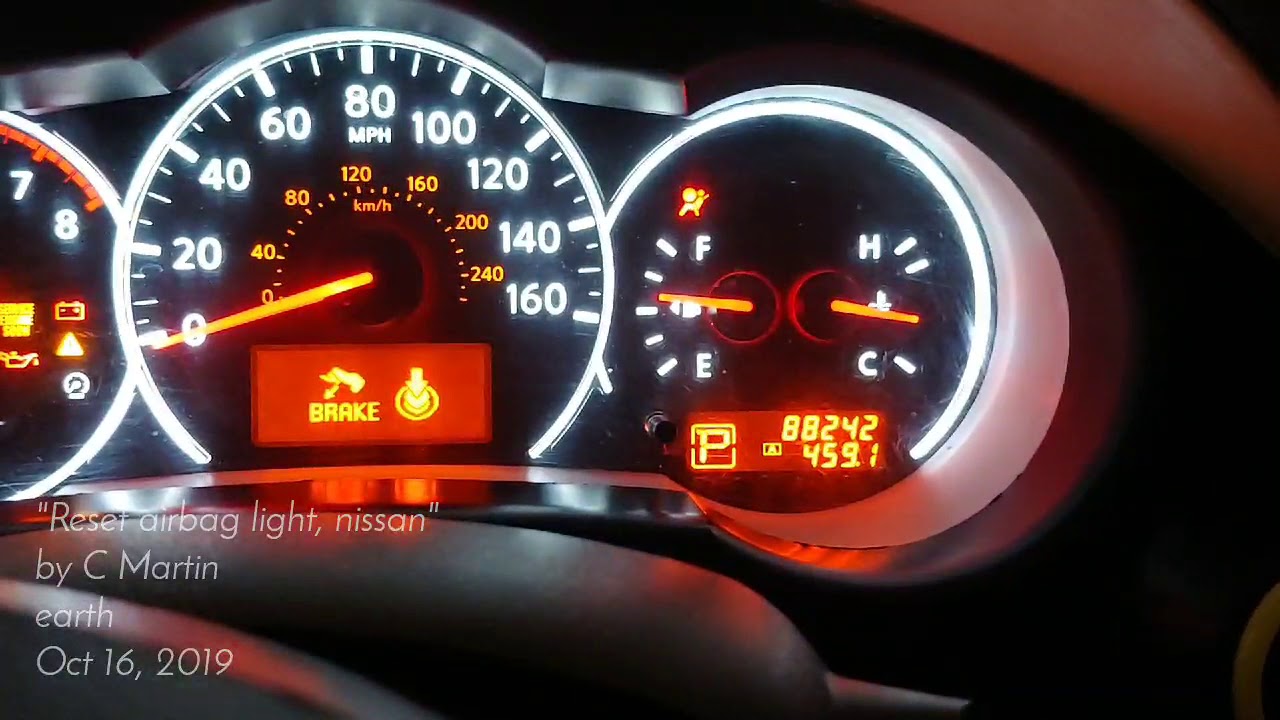
The airbag system in your Nissan Altima is a critical safety feature, designed to protect you and your passengers in the event of a collision. When the airbag light illuminates on your dashboard, it indicates a potential problem within the system. While it's always recommended to consult a qualified mechanic for airbag system issues, understanding the possible causes and potential troubleshooting steps can be helpful. This article provides a comprehensive guide on what the airbag light means, common reasons for its activation, and steps you can take to potentially address the issue in your Nissan Altima.
Understanding the Airbag Light in Your Nissan Altima
The airbag warning light, usually depicted as a side view of a person sitting in a seat with a deployed airbag in front of them, is part of the Supplemental Restraint System (SRS) indicator. This system monitors various components, including the airbags, seatbelts, sensors, and the SRS control module. When the system detects an anomaly, the light illuminates to alert the driver.
It is crucial to understand that driving with the airbag light on means that your airbags may not deploy properly in an accident. This severely compromises your safety and the safety of your passengers.
Ignoring the airbag light is never a good idea. Promptly addressing the issue can potentially prevent serious injury in the event of a collision.
Common Reasons for an Airbag Light
Several factors can trigger the airbag light in your Nissan Altima. Here are some of the most common:
- Low Battery Voltage: A weak or dying battery can sometimes cause the SRS system to malfunction, triggering the airbag light. The system might interpret the low voltage as a fault in one of its components.
- Faulty Airbag Sensors: The Altima's airbag system relies on various sensors located throughout the vehicle to detect impact. Damaged, corroded, or malfunctioning sensors can send incorrect signals, activating the warning light. Common sensor locations include the front bumper, under the seats, and within the dashboard.
- Clock Spring Issues: The clock spring is a rotary electrical connector located in the steering column. It allows the steering wheel to turn while maintaining electrical connections to the airbag, horn, and other steering wheel-mounted controls. A broken or faulty clock spring is a very common cause of an airbag light.
- Seatbelt Pretensioner Problems: The seatbelt pretensioners are designed to tighten the seatbelts during a collision, providing extra restraint. If a pretensioner is damaged or malfunctioning, it can trigger the airbag light.
- SRS Control Module Failure: The SRS control module is the brain of the airbag system. It monitors all the sensors and components and determines when to deploy the airbags. A faulty control module can cause the airbag light to illuminate, and may also prevent the airbags from deploying correctly. This is a more serious issue and typically requires professional diagnosis and repair.
- Wiring Issues: Damaged, corroded, or loose wiring connections within the SRS system can also cause the airbag light to come on. This can be due to accidents, water damage, or simply age and wear.
- Previous Accident: Even a minor fender-bender can sometimes trigger the airbag light, especially if the impact affected the airbag sensors or wiring.
- Aftermarket Modifications: Installing aftermarket accessories, such as seat covers or audio equipment, can sometimes interfere with the SRS system and cause the airbag light to illuminate.
Troubleshooting Steps: What You Can Try (With Caution)
Before attempting any troubleshooting steps, disconnect the negative terminal of your car battery and wait at least 10 minutes. This will help prevent accidental airbag deployment. Always wear safety glasses and gloves when working on your car.
Disclaimer: Working on the airbag system can be dangerous. If you are not comfortable working on your car or are unsure about any of these steps, it is best to consult a qualified mechanic.
1. Check the Battery Voltage
Use a multimeter to check the battery voltage. A healthy battery should read around 12.6 volts when the engine is off. If the voltage is significantly lower, the battery may be weak and need to be replaced or charged. After charging or replacing the battery, see if the airbag light turns off.
2. Inspect Wiring Connections
Carefully inspect all the wiring connections related to the airbag system that you can easily access. Look for any signs of damage, corrosion, or loose connections. Pay particular attention to the connectors under the seats and near the steering column. Gently wiggle the connectors to see if that affects the light. Clean any corroded connections with electrical contact cleaner.
3. Check the Seatbelt Pretensioners
Visually inspect the seatbelt pretensioners for any signs of damage. Make sure the seatbelts retract and extend smoothly. If you suspect a problem with the pretensioners, it's best to have them inspected by a professional.
4. Scan for Diagnostic Trouble Codes (DTCs)
The most effective way to diagnose the cause of the airbag light is to use an OBD-II scanner capable of reading SRS codes. Many auto parts stores offer free code scanning services. Record the codes that are displayed and research them online. These codes will provide valuable information about the specific problem within the SRS system.
Important Note: Even if you clear the airbag light with a scanner, it will likely return if the underlying problem is not fixed. Clearing the code only temporarily hides the symptom, not the cause.
5. Clock Spring Inspection (Advanced - Proceed with Caution)
Inspecting the clock spring requires removing the steering wheel, which can be dangerous if not done correctly. If you are not comfortable performing this task, it is best to leave it to a qualified mechanic.
To inspect the clock spring:
- Disconnect the negative terminal of the battery and wait at least 10 minutes.
- Carefully remove the airbag from the steering wheel. This usually involves releasing clips or screws on the back of the steering wheel. Refer to your vehicle's repair manual for specific instructions.
- Disconnect the electrical connectors from the clock spring.
- Inspect the clock spring for any signs of damage, such as broken wires or cracks.
- If you suspect the clock spring is faulty, it will need to be replaced.
Warning: Improper removal and installation of the steering wheel and airbag can result in serious injury. Always follow the manufacturer's instructions carefully.
When to Seek Professional Help
While some minor issues can be resolved with DIY troubleshooting, it's crucial to seek professional help if:
- You are uncomfortable working on your car's electrical system.
- You are unable to diagnose the problem using an OBD-II scanner.
- The airbag light persists after attempting the troubleshooting steps above.
- You suspect a problem with the SRS control module or airbag deployment.
- You have been involved in an accident, even a minor one.
A qualified mechanic has the expertise, tools, and diagnostic equipment to accurately diagnose and repair airbag system problems. They can also ensure that the system is functioning correctly and safely.
Preventative Maintenance
While you can't completely prevent airbag system problems, there are some steps you can take to minimize the risk:
- Keep your battery in good condition: Regularly check the battery voltage and replace it when necessary.
- Avoid slamming doors and trunk: Excessive force can damage the airbag sensors.
- Protect wiring from damage: Be careful when routing wires near the airbag system components.
- Address minor issues promptly: Don't ignore warning lights or unusual noises.
- Follow the manufacturer's recommended maintenance schedule: This includes regular inspections of the airbag system.
Conclusion
The airbag light in your Nissan Altima is a serious warning sign that should not be ignored. While some minor issues can be resolved with DIY troubleshooting, it's essential to seek professional help when necessary. Driving with the airbag light on puts you and your passengers at risk. By understanding the common causes of the airbag light and taking appropriate action, you can ensure the safety and proper functioning of your vehicle's SRS system. Remember, safety should always be your top priority.
Always consult a qualified mechanic for any airbag system repairs.
This information is for general guidance only and should not be considered a substitute for professional advice.