
Is Tapping A Bumper Considered An Accident
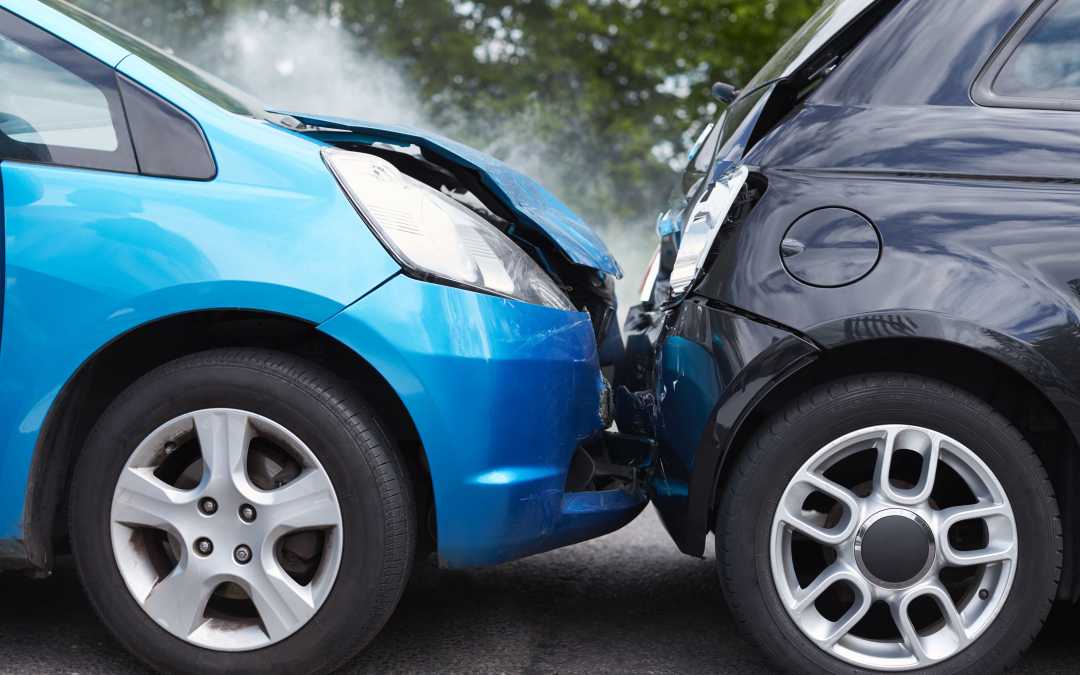
Is Tapping A Bumper Considered An Accident? Understanding the Nuances
The question of whether a minor bumper tap constitutes an accident is surprisingly complex. While it might seem insignificant, even a seemingly harmless bump can have legal and insurance implications. This article aims to provide a clear and comprehensive understanding of what constitutes an accident in the context of a bumper tap, helping you navigate the situation effectively and avoid potential pitfalls.
Defining an "Accident"
The term "accident" itself is open to interpretation. Generally, an accident is defined as an unplanned event that results in damage or injury. However, the severity of the damage or injury is often a key factor in determining whether a bumper tap qualifies as an accident in a legal or insurance context. Different states and insurance companies may have varying definitions.
For instance, some insurance policies might define an accident as any event resulting in property damage exceeding a certain dollar amount. If the bumper tap causes damage above this threshold, it's undoubtedly considered an accident. However, if the damage is minimal and below the threshold, it may not be treated as such by the insurance company.
Factors Determining if a Bumper Tap is an Accident
Several factors influence whether a bumper tap is classified as an accident. These include:
- The Extent of the Damage: This is the most crucial factor. Even a minor tap can cause hidden damage to the bumper, its internal supports, or other vehicle components. Scratches, dents, misalignment, or even cracked paint all indicate damage that warrants further investigation.
- Whether Injuries Occurred: If anyone involved in the bumper tap sustained any injuries, regardless of how minor they seem, it is almost always considered an accident. Even seemingly minor aches or pains can develop into more serious issues later on.
- Police Involvement: If the police are called to the scene and file a report, the incident is likely to be officially recorded as an accident, regardless of the severity of the damage.
- State Laws: State laws vary regarding when an accident must be reported. Some states require reporting any accident resulting in damage over a specific dollar amount, while others have no reporting requirement for minor incidents.
- Insurance Policy Terms: Your insurance policy defines what constitutes an accident and outlines your responsibilities in the event of one. It's crucial to understand your policy's terms and conditions.
When to Report a Bumper Tap
Even if the damage from a bumper tap appears minimal, it's generally advisable to exchange information with the other driver involved. This includes:
- Names and contact information
- Insurance company names and policy numbers
- Driver's license numbers
- Vehicle license plate numbers
- A brief description of the incident
Furthermore, you should consider reporting the incident to your insurance company in the following situations:
- You suspect there may be hidden damage to your vehicle.
- The other driver is uncooperative or refuses to exchange information.
- You are unsure about who is at fault.
- Anyone sustained an injury, even a minor one.
- The damage appears to exceed your state's reporting threshold.
Reporting the incident doesn't necessarily mean your insurance rates will automatically increase. Your insurance company will investigate the incident and determine fault before making any decisions about your rates.
The Importance of Documentation
Thorough documentation is critical in any accident situation, including bumper taps. This includes:
- Taking Photos: Capture clear photos of the damage to both vehicles, the scene of the incident, and any relevant details like license plates.
- Writing a Detailed Account: Record your recollection of the event as soon as possible while the details are still fresh in your mind. Include the time, date, location, and circumstances of the bumper tap.
- Obtaining Witness Information: If there were any witnesses to the incident, collect their names and contact information.
- Keeping Records of Communication: Save copies of any communication with the other driver, their insurance company, or your own insurance company.
This documentation can be invaluable if there are any disputes about the incident or the extent of the damage.
Potential Consequences of Not Reporting a Bumper Tap
Choosing not to report a bumper tap, even if the damage seems minor, can have serious consequences:
- Unforeseen Damage: Hidden damage can manifest later, leading to costly repairs that your insurance company may not cover if the incident wasn't initially reported.
- Legal Repercussions: If the other driver later claims injuries or discovers hidden damage, you could face legal action.
- Insurance Issues: If your insurance company discovers that you failed to report an accident, they may deny coverage for future claims or even cancel your policy.
- Increased Liability: Failing to report the incident could be interpreted as an admission of guilt, potentially increasing your liability.
Understanding "No-Fault" States
In "no-fault" states, drivers are typically required to file a claim with their own insurance company for injuries sustained in an accident, regardless of who was at fault. However, even in no-fault states, there are often exceptions for more serious accidents or those that result in significant damages. If the damages from a bumper tap exceed the state's threshold, you may still be able to pursue a claim against the at-fault driver's insurance company.
Seeking Professional Advice
If you are unsure about whether to report a bumper tap or if you are facing any difficulties dealing with the other driver or their insurance company, it's always a good idea to seek professional advice. Consider consulting with an attorney or an insurance adjuster to understand your rights and obligations.
Conclusion
Determining whether a bumper tap is considered an accident depends on a variety of factors, including the extent of the damage, whether injuries occurred, state laws, and your insurance policy terms. While it may be tempting to dismiss a minor bump, it's crucial to carefully assess the situation, document the incident, and consider reporting it to your insurance company. Taking these steps can help protect you from potential legal and financial repercussions down the road. Remember, err on the side of caution and prioritize clear communication and documentation to ensure a smooth resolution.
Ultimately, the best approach is to be proactive and responsible. Open communication, thorough documentation, and a clear understanding of your rights and obligations are key to navigating the complexities of a bumper tap situation effectively.
Ignoring a seemingly minor incident could have significant and lasting consequences.Always prioritize safety and responsible action following any type of collision, no matter how small it may seem.