
Nissan Altima Head Gasket Replacement Cost
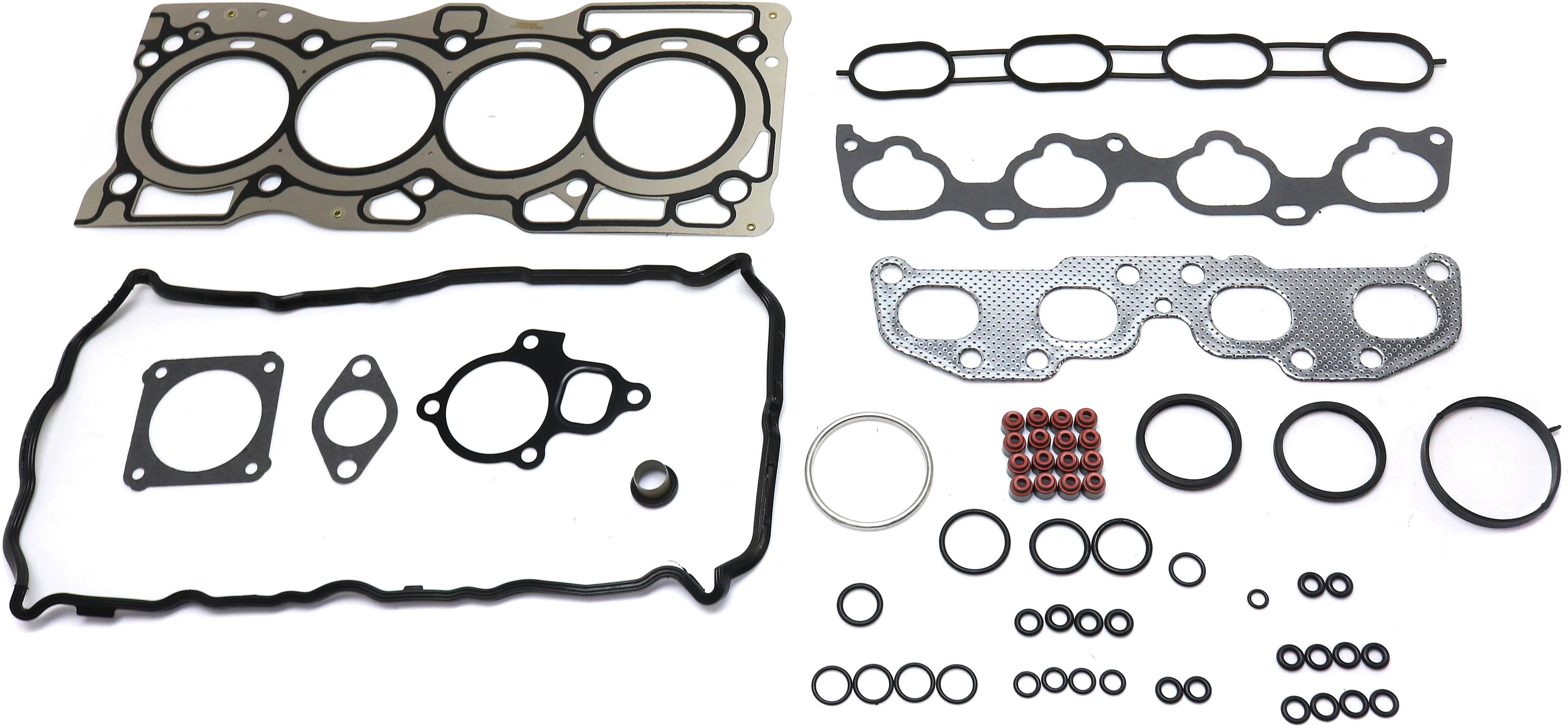
The head gasket, a seemingly unassuming component nestled deep within your Nissan Altima's engine, plays a critical role in its overall health and performance. It's essentially a sealing ring that sits between the engine block and the cylinder head(s), preventing combustion gases, coolant, and oil from mixing. When this gasket fails, the consequences can range from minor inconveniences to catastrophic engine damage. Understanding the potential cost of a head gasket replacement, as well as the factors that influence it, is crucial for any Altima owner.
What is a Head Gasket and What Does it Do?
Before diving into the cost breakdown, let's solidify our understanding of the head gasket. Think of it as the unsung hero of your engine. Its primary functions are:
- Sealing the Combustion Chamber: This is arguably its most important role. The head gasket ensures that the intense pressure created during combustion stays contained within the cylinder. If the seal is compromised, you'll lose compression, leading to reduced power, misfires, and poor fuel economy.
- Separating Coolant and Oil Passages: The engine block and cylinder head contain intricate passages for coolant and oil circulation. The head gasket meticulously seals these passages to prevent cross-contamination. Coolant mixing with oil can create a sludge that damages engine bearings and lubrication systems. Oil leaking into the coolant can lead to overheating and radiator damage.
The head gasket endures extreme temperatures and pressures, making it susceptible to wear and tear over time. It’s typically constructed from multiple layers of materials, including steel, copper, and graphite composites, designed to withstand these harsh conditions. However, overheating, detonation (engine knocking), and corrosion can all accelerate its deterioration.
Symptoms of a Blown Head Gasket
Recognizing the early signs of a failing head gasket is crucial for mitigating potential damage. Common symptoms include:
- Overheating: This is a classic sign. A blown head gasket can allow combustion gases to enter the coolant system, raising its temperature and causing the engine to overheat.
- White Smoke from Exhaust: This usually indicates coolant is leaking into the combustion chamber and being burned along with the fuel. The smoke will often have a sweet smell due to the presence of antifreeze. Note that condensation on cold days can also cause white smoke, so consider other symptoms.
- Milky Oil: Coolant leaking into the oil pan will create a milky, foamy appearance on the dipstick. This is a very serious indicator of head gasket failure.
- Bubbles in the Radiator or Overflow Tank: Combustion gases entering the cooling system can create bubbles in the radiator or overflow tank.
- Loss of Coolant Without Visible Leaks: If you're consistently adding coolant without finding any external leaks, the coolant might be leaking internally through the head gasket.
- Engine Misfires: Loss of compression due to a compromised head gasket seal can cause engine misfires, especially at idle.
- Low Compression: A compression test will reveal low compression in one or more cylinders.
Factors Influencing Head Gasket Replacement Cost
The cost of replacing a head gasket on a Nissan Altima can vary significantly depending on several factors:
- Year and Model of the Altima: Older models and those with simpler engine designs typically have lower replacement costs. Newer Altimas with more complex engines may require more specialized labor and parts.
- Engine Type: Altimas have been offered with various engine options, including inline-4 and V6 engines. V6 engines generally have higher replacement costs due to the increased complexity and the presence of two cylinder heads.
- Labor Costs: Labor constitutes a significant portion of the overall cost. Dealerships generally have higher labor rates than independent repair shops. Geographical location also plays a role; labor rates are typically higher in urban areas.
- Parts Costs: The cost of the head gasket itself can vary depending on the brand and quality. It's advisable to use a high-quality gasket from a reputable manufacturer to ensure long-term reliability. The cost will also include new head bolts (which are typically torque-to-yield and should not be reused), coolant, oil, and potentially other related parts.
- Additional Repairs: In some cases, head gasket failure can lead to other engine damage, such as warped cylinder heads or damaged pistons. If these issues are present, the overall repair cost will increase significantly. A machine shop may need to resurface the cylinder head to ensure a proper seal with the new head gasket.
- Shop Choice: Dealerships, independent shops, and even DIY repairs will all have vastly different cost implications.
Cost Breakdown: A Detailed Look
Let's break down the estimated cost components for a Nissan Altima head gasket replacement:
Parts:
- Head Gasket Set: $50 - $250. This includes the head gasket itself, as well as other necessary gaskets and seals (e.g., valve cover gasket, intake manifold gasket).
- Head Bolts: $20 - $80. New head bolts are essential as the old ones are stretched during installation and should not be reused.
- Coolant: $20 - $50. The cooling system will need to be drained and refilled with fresh coolant.
- Oil and Filter: $30 - $70. Oil contamination is common with a blown head gasket, so an oil change is recommended.
- Other Parts (Optional): $50 - $200. This may include new spark plugs, thermostat, hoses, or other components that are recommended to be replaced during the repair.
Labor:
Labor costs are the most variable component. The complexity of the engine and the shop's hourly rate will heavily influence this figure. A typical head gasket replacement involves the following steps:
- Draining the coolant and oil.
- Disconnecting all necessary hoses, wires, and components attached to the engine.
- Removing the intake manifold, exhaust manifold, and valve cover.
- Removing the cylinder head(s).
- Cleaning the cylinder head and engine block surfaces.
- Inspecting the cylinder head for warpage or cracks. This is crucial!
- (Optional) Sending the cylinder head to a machine shop for resurfacing and valve work.
- Installing the new head gasket and head bolts.
- Torquing the head bolts to the manufacturer's specifications. This is extremely important to ensure proper sealing.
- Reassembling all components.
- Refilling the coolant and oil.
- Bleeding the cooling system.
- Testing the engine for leaks and proper operation.
Labor hours can range from 8 to 15 hours, depending on the engine and the mechanic's experience. At an average labor rate of $100-$150 per hour, labor costs can range from $800 to $2250.
Total Estimated Cost:
Based on the above breakdown, the total estimated cost for a Nissan Altima head gasket replacement can range from $950 to $2500 or more. This is a wide range, but it reflects the various factors that can influence the final price.
DIY Head Gasket Replacement: Is it Feasible?
Replacing a head gasket is a complex and time-consuming task that requires significant mechanical knowledge, specialized tools, and a thorough understanding of engine operation. While it's possible to do it yourself, it's generally not recommended for novice mechanics. If you lack the necessary skills and experience, you could easily damage the engine further and end up spending more money in the long run. If you're considering a DIY repair, carefully assess your capabilities and weigh the risks involved.
However, if you are experienced and confident, here are some considerations:
- Tools: You'll need a comprehensive set of tools, including sockets, wrenches, torque wrenches, a head bolt angle meter, and potentially specialized tools for removing and installing valve springs.
- Time: Set aside ample time for the repair. It can easily take a weekend or longer, especially if you're not familiar with the process.
- Machine Shop Work: As mentioned earlier, it's crucial to have the cylinder head inspected for warpage and cracks. If necessary, it should be resurfaced by a machine shop.
- Thoroughness: Pay close attention to detail and follow the manufacturer's instructions carefully, especially when torquing the head bolts.
Preventative Measures
While head gasket failure can sometimes be unavoidable, there are several preventative measures you can take to prolong its lifespan:
- Regular Maintenance: Adhere to the manufacturer's recommended maintenance schedule, including coolant flushes and oil changes.
- Avoid Overheating: Overheating is a major cause of head gasket failure. Address any cooling system issues promptly.
- Use High-Quality Fuel: Using the correct octane fuel and avoiding low-quality gasoline can prevent detonation, which can damage the head gasket.
- Monitor Engine Performance: Pay attention to any changes in engine performance, such as overheating, misfires, or loss of power. Address these issues promptly.
Conclusion
Head gasket replacement is a significant repair that can be costly and time-consuming. By understanding the factors that influence the cost and taking preventative measures, you can minimize the risk of head gasket failure and keep your Nissan Altima running smoothly for years to come. Always consult with a qualified mechanic to get an accurate diagnosis and repair estimate.