
Nissan Altima Skid Plate
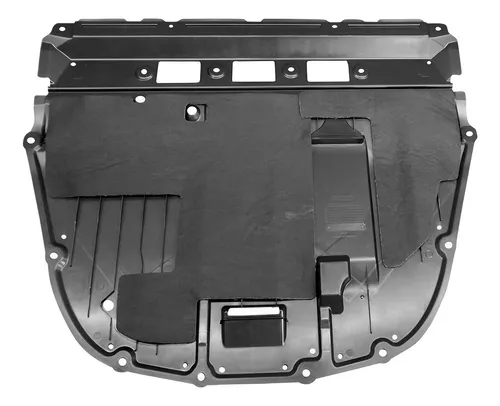
Hello Altima owners! Are you hearing some unusual noises coming from under your car? Maybe a rattling, scraping, or even a low-pitched hum? There’s a good chance the culprit could be your Nissan Altima's skid plate, also sometimes called an engine splash shield. In this article, we'll discuss common problems with Altima skid plates, how to diagnose them, and what you can do to fix them. Think of me as your virtual service advisor, guiding you through the process.
Understanding Your Altima's Skid Plate
First, let’s quickly cover what the skid plate actually *is* and why it's important. It's usually a plastic or metal panel located underneath the engine compartment. Its primary function is to protect vital components like the oil pan, transmission, and other undercarriage parts from road debris, water, and even small animals. It also helps improve aerodynamics slightly, leading to marginally better fuel economy. While often overlooked, it plays a significant role in extending the lifespan of your Altima's critical parts.
Common Altima Skid Plate Problems
Several issues can arise with your Altima's skid plate. Here are some of the most frequent ones:
1. Damage from Road Debris
This is perhaps the most common problem. Hitting potholes, driving over speed bumps too fast, or encountering road debris can crack, bend, or even tear the skid plate. The damage can range from minor cracks to complete detachment.
2. Loose or Missing Fasteners
The skid plate is held in place by several bolts, screws, and sometimes plastic clips. Over time, these fasteners can loosen due to vibrations, corrosion, or simply backing out. In some cases, they might even go missing entirely, leaving the skid plate dangling or rattling. This is often noticed as a rattling noise, especially at higher speeds.
3. Sagging or Warping
Exposure to extreme temperatures, especially heat from the engine and exhaust, can cause the plastic skid plate to sag or warp. This can lead to it dragging on the ground or interfering with other undercarriage components.
4. Corrosion (Metal Skid Plates)
If your Altima has a metal skid plate (some models or aftermarket options do), corrosion can become a problem, especially in areas with road salt. Rust can weaken the metal, leading to holes or even complete failure.
5. Improper Installation (Aftermarket or Previous Repairs)
If the skid plate has been removed and reinstalled (for example, during an oil change or other maintenance), it might not have been put back on correctly. This can lead to loose fasteners, improper alignment, and eventual damage.
Diagnosing Skid Plate Issues
Now, how do you figure out if your skid plate is the source of your troubles? Here’s a step-by-step approach:
- Visual Inspection: Safely park your Altima on a level surface. Ideally, use ramps or jack stands to raise the front end (always use jack stands for safety!). Look under the front of the car and inspect the skid plate. Look for cracks, bends, missing fasteners, sagging, or any other visible damage.
- The Wiggle Test: Gently try to wiggle the skid plate. If it moves excessively or feels loose, it's a strong indication of a problem.
- Listen Carefully: Have someone start the engine and rev it slightly while you listen near the skid plate. Pay attention to any rattling, scraping, or unusual noises. Also, drive slowly over a few bumps and note if the noise becomes more pronounced.
- Check for Ground Clearance: Is the skid plate noticeably lower than it used to be? If so, it could be sagging or improperly attached.
- Trace the Noise: While driving slowly in a safe location, try to pinpoint where the noise is coming from. If it seems to be originating from under the engine, the skid plate is a likely suspect.
Tools You Might Need for Inspection:
- Jack and jack stands (essential for safety!)
- Ramps (optional, but helpful)
- Flashlight
- Gloves
- Wrench or socket set (metric sizes)
- Screwdriver (Phillips and flathead)
Solutions: Repairing or Replacing Your Altima's Skid Plate
Once you've diagnosed the problem, it's time to consider your options for repair or replacement. The best course of action will depend on the severity of the damage and your budget.
1. Tightening Loose Fasteners
If the problem is simply loose fasteners, this is a relatively easy fix. Locate the loose bolts or screws and tighten them. If the threads are stripped, you might need to use a slightly larger screw or a thread repair kit. For plastic clips, check if they are broken. Replacements are usually available at auto parts stores or online.
Tip: Use a thread-locking compound (like Loctite) on the bolts to prevent them from loosening again.
2. Replacing Missing Fasteners
If fasteners are missing, head to your local auto parts store or search online for replacement hardware specifically designed for your Altima's skid plate. Make sure you get the correct size and type of fastener. Install the new fasteners and tighten them securely.
3. Repairing Cracks (Plastic Skid Plates)
Minor cracks in a plastic skid plate can sometimes be repaired using plastic welding or epoxy. Plastic welding involves melting the plastic together to create a strong bond. Epoxy is a type of adhesive that can be used to fill cracks and provide structural support. However, this is usually a temporary fix.
Tip: If you choose to use epoxy, clean the area thoroughly before applying the epoxy. Use a fiberglass mesh for added strength.
4. Replacing the Skid Plate
If the skid plate is severely damaged, sagging excessively, or corroded beyond repair, replacement is the best option. You have a few choices:
- OEM (Original Equipment Manufacturer) Skid Plate: This is a direct replacement from Nissan and will ensure a perfect fit. However, it's usually the most expensive option.
- Aftermarket Skid Plate: Aftermarket skid plates are available from various manufacturers and can be a more affordable alternative. Make sure to choose a reputable brand and check reviews to ensure quality and fitment.
- Metal Skid Plate (Upgrade): Consider replacing a plastic skid plate with a metal one for increased durability. This is a popular upgrade for those who frequently drive on rough roads. However, be aware that metal skid plates can be heavier and may slightly affect fuel economy.
Replacing the skid plate is typically a straightforward process:
- Safely lift the front of the car using a jack and jack stands.
- Remove the old skid plate by unscrewing the bolts and screws.
- Position the new skid plate and align the mounting holes.
- Install the new fasteners and tighten them securely.
- Lower the car and test drive to ensure there are no unusual noises.
Approximate Repair Costs
Here's a general idea of what you can expect to pay for skid plate repairs or replacement:
- Loose Fasteners: $5 - $20 (for replacement hardware and Loctite)
- Plastic Repair (Epoxy): $10 - $30 (for epoxy and fiberglass mesh)
- Aftermarket Skid Plate: $50 - $150
- OEM Skid Plate: $100 - $300
- Metal Skid Plate: $150 - $400
- Labor (if you choose to have a mechanic do the work): $50 - $150
Important Considerations:
- Safety First! Always use jack stands when working under a car. Never rely solely on a jack.
- Torque Specifications: When tightening fasteners, refer to your Altima's repair manual for the correct torque specifications. Overtightening can damage the fasteners or the skid plate itself.
- Rust Prevention: If you live in an area with road salt, consider applying a rust inhibitor to the metal components under your car, including the skid plate (if it's metal).
- Professional Help: If you're not comfortable working on your car yourself, don't hesitate to take it to a qualified mechanic. They can diagnose the problem accurately and perform the necessary repairs.
Preventative Measures
To help prevent future skid plate problems, consider these tips:
- Drive Carefully: Avoid potholes, speed bumps, and other road hazards.
- Regular Inspections: Periodically inspect your skid plate for any signs of damage or loose fasteners.
- Undercoating: Consider having your undercarriage undercoated to protect against rust and corrosion.
By understanding the function of your Altima's skid plate, recognizing common problems, and following these repair and maintenance tips, you can keep your car running smoothly and protect its vital components. Remember, a little preventative maintenance can save you from costly repairs down the road! If you have any other questions, feel free to ask!