
Nissan Armada Condenser Fan Relay Location
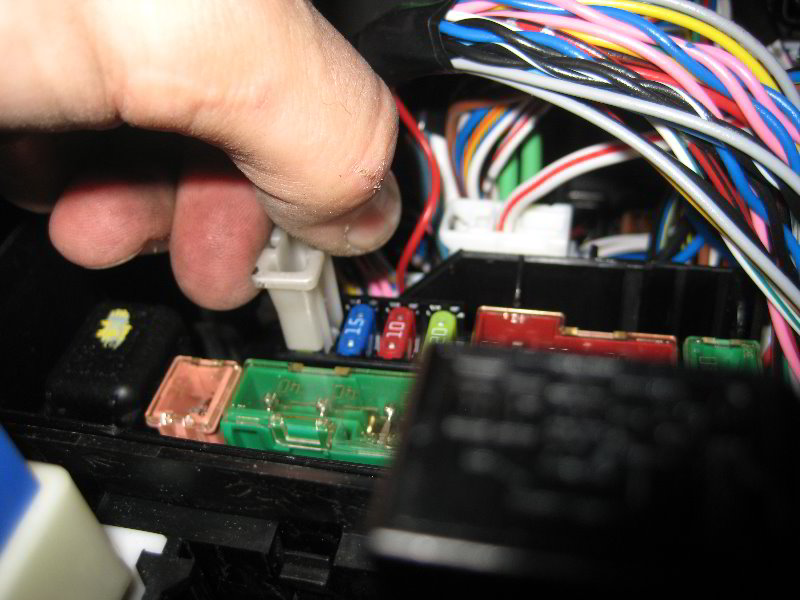
The Nissan Armada, a full-size SUV known for its robust capabilities, relies on a complex cooling system to maintain optimal engine temperature and ensure comfortable cabin climate. A crucial component within this system is the condenser fan, responsible for dissipating heat from the air conditioning condenser. And at the heart of the condenser fan's operation lies a small but mighty component: the condenser fan relay. Understanding its location and function is key to diagnosing and resolving potential cooling issues.
Understanding the Condenser Fan Relay's Role
Before diving into the specific location of the relay on a Nissan Armada, it's essential to understand its role within the AC system. The air conditioning system, in essence, transfers heat from the cabin to the outside environment. The condenser, located at the front of the vehicle, is a radiator-like component where the refrigerant, now in a high-pressure, high-temperature gaseous state, releases heat to the surrounding air. This phase change allows the refrigerant to condense into a liquid, ready to absorb more heat from the cabin. However, relying solely on airflow from the vehicle's motion isn't always sufficient, especially at low speeds or when idling.
This is where the condenser fan steps in. It forces air across the condenser coils, enhancing the heat exchange process. The condenser fan relay acts as an electrical switch, controlled by the vehicle's Engine Control Module (ECM), or a dedicated AC control module. When the ECM determines that additional cooling is required (based on parameters such as coolant temperature, refrigerant pressure, or vehicle speed), it sends a low-current signal to the relay. This signal energizes the relay's coil, creating an electromagnetic field that pulls the relay's contacts together, completing the circuit and sending high-current power to the condenser fan motor, activating it.
Essentially, the relay acts as a gatekeeper, allowing the low-current control signal from the ECM to safely switch the high-current power needed to run the fan motor. This prevents the ECM from being overloaded and protects the vehicle's electrical system.
Locating the Condenser Fan Relay in a Nissan Armada
Now, let's pinpoint the location of the condenser fan relay in a Nissan Armada. While the exact placement can vary slightly depending on the specific model year, the general area remains consistent. The relay is typically found within one of the vehicle's relay boxes, often located in the engine compartment or sometimes under the dashboard.
Engine Compartment Relay Box: The Primary Suspect
The most likely location for the condenser fan relay is in the main relay and fuse box located in the engine compartment. This box is usually black or gray plastic and easily identifiable by its rectangular shape. It's commonly situated near the battery, along the inner fender well (driver or passenger side), or mounted on the firewall. To access the relays and fuses, you'll typically need to unclip or unscrew the box's cover.
Once the cover is removed, you'll see an array of relays and fuses. Finding the correct relay can seem daunting, but fortunately, there are several methods to identify it:
- Consult the Owner's Manual: This is the most reliable method. The owner's manual will contain a diagram illustrating the location of each relay and fuse within the box, clearly labeling the condenser fan relay. Look for terms like "Condenser Fan Relay," "A/C Fan Relay," or "Cooling Fan Relay (Condenser)."
- Examine the Relay Box Cover: Often, the inside of the relay box cover will have a printed diagram that mirrors the layout of the relays and fuses. This diagram can be a quick and easy reference.
- Visually Inspect the Relays: Once you have a potential candidate from the diagram, carefully examine the relay itself. Many relays have labels printed on their sides indicating their function. Look for labels containing "Condenser Fan," "A/C Fan," or similar designations. The relay is often a standard 5-pin or 4-pin automotive relay.
- Test with a Multimeter: If visual identification proves challenging, you can use a multimeter to test the relay. However, this requires some electrical knowledge. You can test for continuity across the relay's coil terminals when voltage is applied and check if the switch contacts close when the coil is energized. Caution: Always disconnect the battery's negative terminal before performing any electrical testing.
- Swap with a Known Good Relay: If you suspect a faulty relay but are unsure, try swapping it with a relay of the same type and amperage that controls a less critical system, such as the horn relay. If the condenser fan now operates correctly and the horn malfunctions, you've confirmed the original relay was faulty. Note: Ensure the replacement relay has the same amperage rating to avoid damaging the circuit.
Potential Secondary Location: Interior Relay Box
Although less common, some Nissan Armada models might have a secondary relay box located inside the vehicle, often under the dashboard (driver or passenger side) or behind the glove compartment. Locating this box might require removing some trim panels. Follow the same identification methods described above to locate the condenser fan relay within this box, using the owner's manual or relay box diagram as your primary guide.
Troubleshooting Condenser Fan Relay Issues
If the condenser fan is not operating correctly, the relay is a prime suspect. Here's a breakdown of common symptoms and troubleshooting steps:
- Condenser Fan Not Running: This is the most obvious symptom. The AC system might still function, but its performance will be significantly reduced, especially at low speeds or when idling. Check the relay first.
- Intermittent Fan Operation: The fan might work sporadically, cutting in and out seemingly at random. This can indicate a failing relay with loose contacts or internal corrosion.
- Overheating: In severe cases, a malfunctioning condenser fan can contribute to engine overheating, especially if the primary cooling fan is also struggling.
- AC System Inefficiency: Even without overheating, a faulty condenser fan can lead to poor AC performance, resulting in weak cooling and increased fuel consumption as the system struggles to maintain the desired cabin temperature.
Troubleshooting Steps:
- Visual Inspection: Examine the relay for any signs of damage, such as cracks, melted plastic, or corrosion on the terminals.
- Relay Testing: Use a multimeter to test the relay's coil resistance and contact continuity. Refer to a wiring diagram for the specific Armada model to identify the correct terminals.
- Voltage Check: Verify that the relay is receiving the control signal from the ECM when the AC system is activated. Use a multimeter to check for voltage at the relay's coil terminals. No voltage indicates a problem with the ECM, wiring, or AC control module.
- Ground Check: Ensure that the relay has a good ground connection. A poor ground can prevent the relay from functioning properly.
- Circuit Test: Use a test light or multimeter to check for power at the condenser fan motor connector when the relay is activated. No power indicates a wiring issue between the relay and the fan motor.
Prevention and Maintenance
While relays are generally reliable, preventative maintenance can help prolong their lifespan:
- Regular Inspection: Periodically inspect the relay box for signs of moisture or corrosion.
- Terminal Cleaning: If you notice any corrosion on the relay terminals, clean them with a wire brush or electrical contact cleaner.
- Relay Replacement: Consider replacing the condenser fan relay as part of your vehicle's regular maintenance schedule, especially if you live in a hot climate or frequently use the AC system. A preventative replacement can save you from potentially more costly repairs down the road.
By understanding the function and location of the condenser fan relay in your Nissan Armada, you can proactively maintain your vehicle's cooling system and address potential issues before they escalate into major problems. Remember to always consult your owner's manual and exercise caution when working with electrical components.