
Nissan Frontier Cooling System Diagram
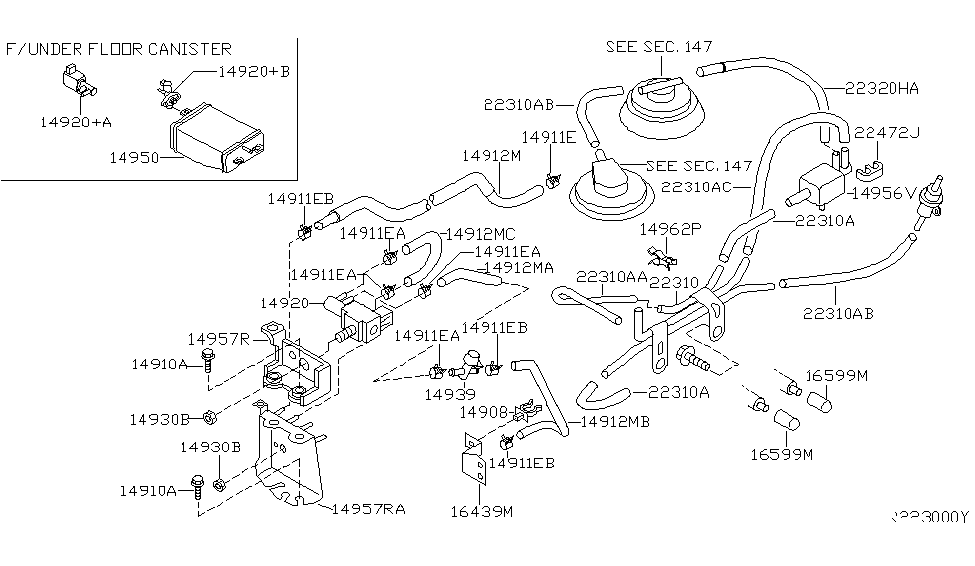
Okay, so you're having some cooling system issues with your Nissan Frontier. Overheating, coolant leaks, heater blowing cold air – I've seen it all. A lot of folks dive straight into repairs without a solid understanding of *how* everything is connected. That's where a cooling system diagram comes in handy. Think of it as a roadmap for your engine's temperature regulation.
Let's break down what you need to know, where to find a good diagram, and how to use it to troubleshoot common Frontier cooling system problems. This isn’t meant to replace a repair manual, but it will give you a solid foundation for understanding your truck's cooling system.
Understanding Your Frontier's Cooling System
Before we even look at a diagram, let's quickly review the key components. This will make the diagram much easier to understand.
- Radiator: This is the main heat exchanger. Hot coolant from the engine flows through it, and air flowing across the radiator fins dissipates the heat.
- Water Pump: This is the heart of the system, circulating coolant throughout the engine and radiator.
- Thermostat: This valve regulates the coolant flow, ensuring the engine reaches operating temperature quickly and doesn't overheat.
- Coolant Reservoir (Overflow Tank): This tank allows for coolant expansion and contraction as the engine heats up and cools down. It also helps maintain proper coolant levels.
- Hoses: These connect all the components, carrying coolant throughout the system.
- Heater Core: Located inside the dashboard, the heater core provides heat to the cabin by circulating hot coolant through it.
- Radiator Cap: This maintains pressure in the system, raising the boiling point of the coolant and preventing boil-over.
- Cooling Fan(s): These draw air through the radiator, especially when the vehicle is stationary or moving slowly. Some Frontiers use a mechanical fan driven by the engine, while others use electric fans controlled by the engine computer.
Finding a Cooling System Diagram for Your Nissan Frontier
The most accurate diagram will be specific to your Frontier's year and engine (e.g., 2.5L I4, 3.3L V6, 4.0L V6). Here are a few places to look:
- Your Vehicle's Repair Manual: This is the gold standard. A Haynes or Chilton manual specific to your Frontier will have detailed diagrams and repair procedures. I highly recommend getting one – you can usually find them online or at auto parts stores for around $20-$40.
- Online Nissan Parts Websites: Many online parts retailers, like NissanPartsDeal.com or CourtesyParts.com, often have exploded views of various systems, including the cooling system. These diagrams are typically used to identify parts, but they can also be helpful in understanding the system layout. Just be sure to enter your VIN to ensure you're seeing diagrams specific to your truck.
- Online Forums: Frontier enthusiast forums (like NissanForums.com or ClubFrontier.org) can be a great resource. Search for "cooling system diagram" along with your Frontier's year and engine. Members may have posted diagrams they've found or even created their own.
- ALLDATA or Mitchell OnDemand: These are professional-grade repair information databases. While they usually require a subscription fee, some public libraries or community colleges may offer access.
Using the Diagram to Diagnose Problems
Okay, you've got your diagram. Now what? Here's how to use it to troubleshoot some common Frontier cooling system issues:
1. Overheating
Problem: Your Frontier's temperature gauge is creeping into the red, or the "check engine" light is on with an overheating code (like P0128, P0116, P0118).
How the Diagram Helps:
- Follow the Coolant Flow: Trace the coolant flow from the engine, through the thermostat, to the radiator, and back. This will help you identify potential blockages or leaks in the hoses or radiator.
- Locate the Thermostat: The diagram will show you exactly where the thermostat is located. A stuck-closed thermostat is a common cause of overheating. Replacement thermostats are usually fairly inexpensive (around $15-$30), but labor can add to the cost if it's in a hard-to-reach spot.
- Inspect the Radiator Fan(s): The diagram will show the location of the fan(s) and their wiring. Check that the fan(s) are operating correctly. If it's an electric fan, test the fan motor and the fan relay. A bad fan or relay will prevent proper cooling, especially at low speeds.
- Check for Leaks: The diagram can help you identify the locations of common leak points, such as hose connections, the water pump, and the radiator. A pressure test of the cooling system (done with a special tool) is a great way to find leaks that might not be immediately obvious.
2. Coolant Leaks
Problem: You're finding puddles of coolant under your Frontier, or you're constantly having to add coolant.
How the Diagram Helps:
- Identify Leak Locations: Compare the diagram to your engine bay. Look for wet spots or coolant residue around hoses, the water pump, the radiator, the thermostat housing, and the coolant reservoir.
- Check Hose Clamps: The diagram will show the locations of all the hose clamps. Make sure they're tight and in good condition. Sometimes, simply tightening a loose clamp can solve a minor leak.
- Inspect the Water Pump: The diagram will show the location of the water pump. Look for leaks around the pump's weep hole (a small hole that indicates a failing seal). Replacing a water pump can be a bit more involved, requiring removal of belts and pulleys. Expect to pay anywhere from $300-$600 for parts and labor, depending on your location and the mechanic's hourly rate.
- Radiator Leaks: The diagram shows the overall structure of the radiator, making it easier to pinpoint small leaks.
3. Heater Blowing Cold Air
Problem: Your Frontier's heater is blowing cold air, even when the engine is warmed up.
How the Diagram Helps:
- Locate the Heater Core: The diagram will show you where the heater core is located in the dashboard. While you likely won't be able to see the heater core directly, you can trace the heater hoses that lead to it.
- Check Heater Hoses: Make sure the heater hoses are hot to the touch when the engine is warm. If they're cold, there may be a blockage or a problem with the heater control valve (if your Frontier has one).
- Air in the System: Sometimes air trapped in the cooling system can prevent coolant from circulating properly through the heater core. The diagram can help you identify the highest points in the system where air might accumulate. Bleeding the system (removing the air) may solve the problem.
4. Coolant Loss Without Obvious Leaks
Problem: You're losing coolant, but you can't find any leaks on the ground or in the engine bay.
How the Diagram Helps:
- Internal Leaks: This is the trickiest scenario. Coolant could be leaking internally into the engine (e.g., through a head gasket). The diagram won't directly show you this, but it can remind you to consider this possibility and to check for other symptoms, such as white smoke from the exhaust or coolant in the oil.
- Check the Radiator Cap: A faulty radiator cap can allow coolant to escape as steam. The diagram highlights its critical position and role.
Tools You'll Need
Depending on the repair, you might need the following tools:
- Socket set and wrenches
- Screwdrivers (Phillips and flathead)
- Pliers
- Hose clamp pliers
- Coolant pressure tester
- Multimeter (for testing electrical components)
- Drain pan
- Safety glasses and gloves
Important Safety Considerations
Working on a cooling system can be dangerous. Always remember:
- Never open the radiator cap when the engine is hot. The system is under pressure, and hot coolant can spray out and cause serious burns.
- Allow the engine to cool down completely before working on the cooling system.
- Wear safety glasses and gloves to protect yourself from coolant and other fluids.
- Dispose of used coolant properly. It's toxic to humans and animals.
When to Call a Professional
If you're not comfortable working on your Frontier's cooling system, or if you're dealing with a complex problem like a head gasket leak, it's always best to consult a qualified mechanic. They have the experience, tools, and knowledge to diagnose and repair the problem correctly. And, honestly, sometimes peace of mind is worth the cost! A good service advisor, like myself, would always recommend a professional opinion when unsure.
By understanding your Frontier's cooling system and using a diagram as a guide, you can troubleshoot common problems and keep your truck running cool and reliably. Good luck!