
Nissan Frontier Rear Differential Breather
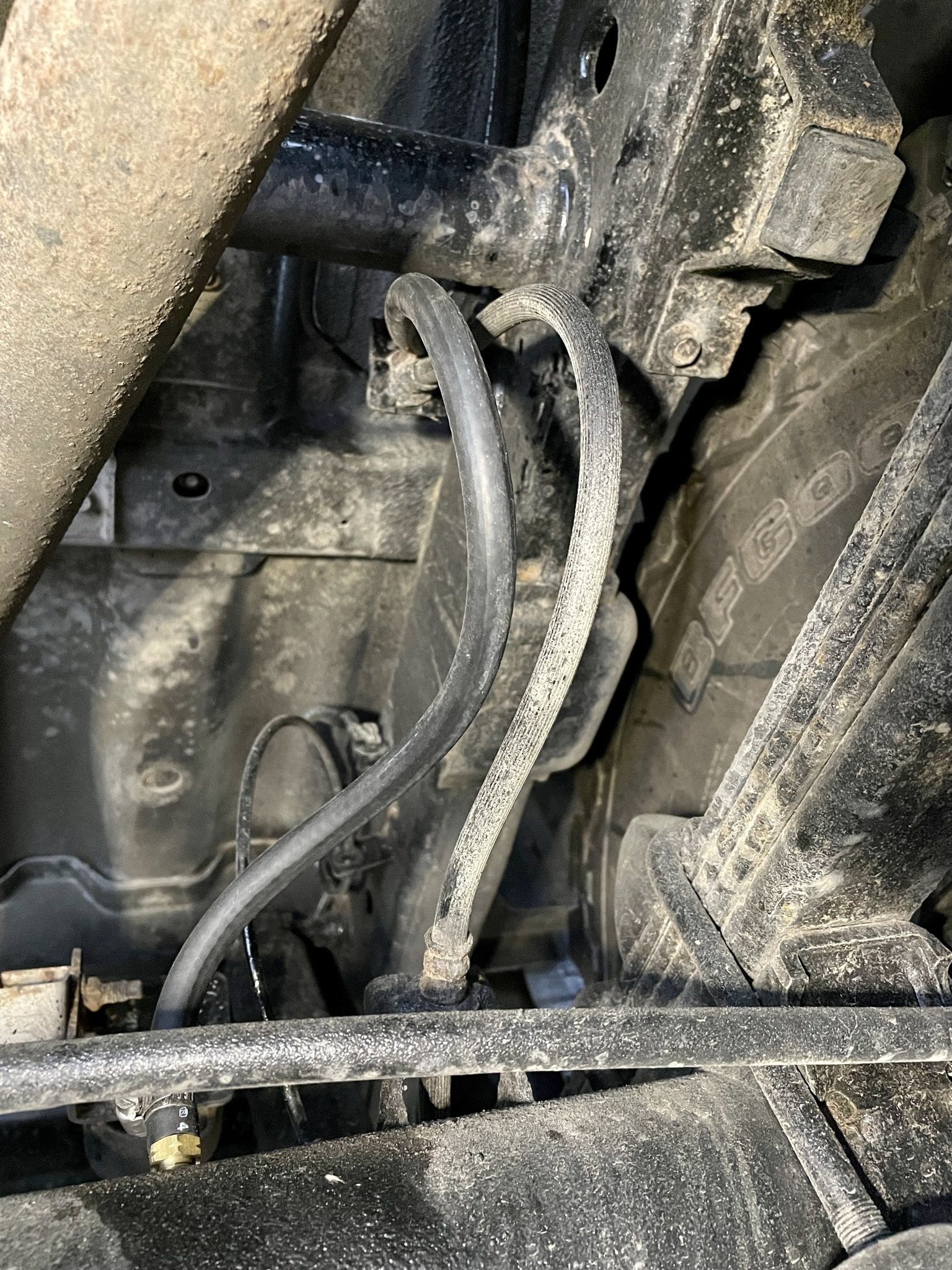
The rear differential, or diff, in your Nissan Frontier is a hardworking component. It's responsible for transferring power from the driveshaft to the rear wheels, allowing them to rotate at different speeds during turns. This complex job generates heat, and that heat causes the air inside the differential housing to expand. The rear differential breather is a small but crucial part that allows this pressure to equalize, preventing damage and ensuring optimal performance.
What is the Rear Differential Breather?
Simply put, the rear differential breather is a one-way valve that allows air to escape the differential housing when it heats up and pressure builds, and allows air to enter as it cools and pressure decreases. Without a breather, pressure could build to the point where it forces oil past the seals, leading to leaks and ultimately, differential failure. Conversely, a vacuum could form when cooling, potentially sucking in water and contaminants.
Think of it like this: imagine sealing a plastic bottle full of air and then leaving it in the sun. The air inside heats up and expands, potentially causing the bottle to deform or even burst. The breather acts like a tiny vent in the bottle, preventing this pressure buildup.
Components of the Breather
The standard breather is a fairly simple device, typically consisting of the following components:
- The nipple or fitting: This is the threaded portion that screws into a threaded hole in the differential housing.
- The valve: This is the one-way mechanism, often a small check valve or a spring-loaded diaphragm, that allows air to escape but prevents it from flowing back in under normal circumstances.
- The cap or filter: This covers the valve and filters out dirt, dust, and other contaminants, preventing them from entering the differential.
Why Upgrade the Breather?
The factory breather on the Nissan Frontier is adequate for normal on-road driving. However, if you frequently engage in off-roading, especially water crossings, upgrading the breather is highly recommended. Here's why:
- Water Intrusion: The factory breather is typically located relatively low on the differential housing. During water crossings, it can easily become submerged. While it's designed to prevent water from entering, under pressure (like when the hot differential plunges into cold water, creating a vacuum) it can be overcome. Water contamination in the differential oil leads to rapid deterioration, causing rust, corrosion, and premature failure of the gears and bearings.
- Dust and Mud: Even without water crossings, fine dust and mud can accumulate around the factory breather. This can clog the breather, preventing it from working properly and increasing the risk of pressure buildup.
- Extended Breather Kits: An upgraded breather kit typically involves replacing the factory breather with a fitting and running a hose up to a higher location, such as the engine bay or behind the taillight. This keeps the breather above the waterline and away from excessive dust and mud.
Choosing the Right Breather Kit
Several aftermarket breather kits are available for the Nissan Frontier. When choosing a kit, consider the following:
- Hose Length: Ensure the hose is long enough to reach your desired mounting location. Measure the distance carefully to avoid ending up short.
- Hose Material: Look for a hose made from a durable material like fuel-grade rubber or braided stainless steel. Avoid cheap plastic hoses that can become brittle and crack over time.
- Breather Filter: The breather filter should be of high quality and designed to prevent water and contaminants from entering. Some kits include a small air filter element that can be cleaned or replaced.
- Fittings: Ensure the fittings are made from corrosion-resistant materials like brass or stainless steel. The fitting that threads into the differential housing should be the correct thread size and pitch for your Frontier.
- Installation Hardware: The kit should include all necessary hardware, such as clamps, zip ties, and mounting brackets, to ensure a secure and professional installation.
Installing an Upgraded Rear Differential Breather
Installing an upgraded breather is a relatively straightforward process that most DIY mechanics can handle. Here's a step-by-step guide:
- Gather Your Tools and Materials: You'll need the upgraded breather kit, a wrench or socket to remove the factory breather, pliers, hose cutters (if necessary), zip ties or clamps, and potentially some thread sealant (like Teflon tape).
- Locate the Factory Breather: The rear differential breather is typically located on the top or side of the differential housing. Consult your service manual if you're unsure of its exact location.
- Remove the Factory Breather: Use a wrench or socket to carefully unscrew the factory breather. Be careful not to damage the threads on the differential housing. It's best to clean around the area before removal to avoid dirt falling into the differential.
- Install the New Fitting: Apply a small amount of thread sealant to the threads of the new fitting. Screw the fitting into the differential housing, tightening it securely. Avoid over-tightening, as this can damage the threads.
- Route the Hose: Route the hose from the fitting on the differential to your chosen mounting location. Ensure the hose is routed away from any heat sources (like the exhaust) and moving parts (like the suspension). Use zip ties or clamps to secure the hose in place.
- Install the Breather Filter: Attach the breather filter to the end of the hose at your chosen mounting location. Ensure the filter is securely attached and protected from the elements.
- Test the Installation: Once the installation is complete, check all connections to ensure they are secure. You can also try blowing air through the hose to ensure the breather filter is allowing air to flow.
Important Considerations During Installation
- Thread Sealant: Using thread sealant is crucial to prevent leaks. Teflon tape is a common and effective choice.
- Hose Routing: Pay close attention to hose routing. Avoid sharp bends that can restrict airflow. Secure the hose properly to prevent it from rubbing against anything.
- Mounting Location: Choose a mounting location that is high and dry and easily accessible for inspection and maintenance.
- Regular Inspection: Periodically inspect the breather filter to ensure it is clean and free of debris. Replace the filter if necessary.
Troubleshooting Breather Problems
Even with an upgraded breather, problems can still occur. Here are some common issues and their solutions:
- Oil Leaks: If you notice oil leaking from the differential housing, it could be a sign that the breather is clogged. Inspect the breather and clean or replace it if necessary. Also, check the differential seals for damage.
- Vacuum Noise: If you hear a hissing or sucking noise from the differential, it could indicate a vacuum is forming inside the housing. This can happen if the breather is blocked. Inspect and clean the breather.
- Contaminated Oil: If you find water or other contaminants in the differential oil, it could mean the breather is not functioning properly. Replace the breather and change the differential oil.
Conclusion
The rear differential breather is a small but vital component of your Nissan Frontier. Upgrading the breather, especially if you frequently off-road, is a worthwhile investment that can protect your differential from damage and extend its lifespan. By understanding the function of the breather and following the installation guidelines outlined in this article, you can ensure your Frontier's rear differential remains in top condition for years to come. Remember to always consult your vehicle's service manual for specific instructions and torque specifications.