
Nissan Maxima Control Arm Replacement Cost
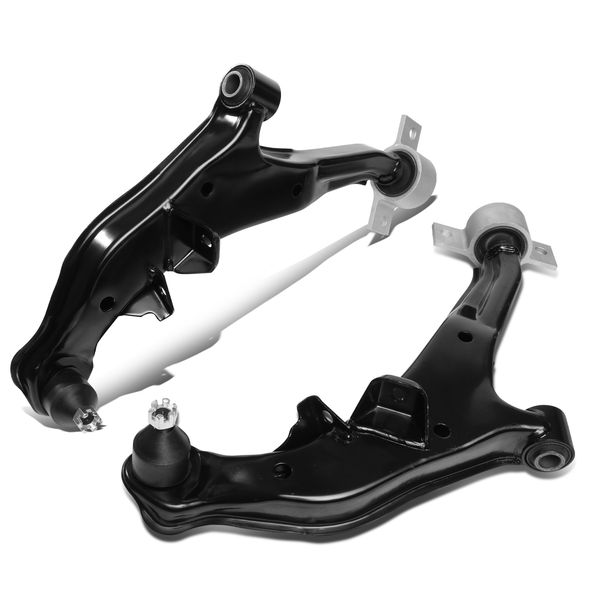
The Nissan Maxima, a long-standing nameplate synonymous with comfortable yet engaging driving, relies on a complex suspension system to deliver its acclaimed ride quality. A critical component of this system is the control arm. Replacing a control arm isn't just about bolting on a new part; it's about understanding the interconnectedness of the suspension, the potential pitfalls of the repair, and the factors that influence the overall cost.
What is a Control Arm and What Does it Do?
Think of the control arm as the unsung hero of your Maxima's suspension. It’s essentially a hinged suspension link that connects the vehicle's chassis to the wheel hub or axle carrier. Its primary function is to control the motion of the wheel relative to the vehicle's body, allowing for vertical travel (absorbing bumps) while maintaining stable steering and handling. Most Maximas utilize independent suspension systems, typically MacPherson struts in the front and a multi-link setup in the rear, both of which incorporate control arms.
A typical control arm resembles a wishbone or an "A" shape, though single-arm designs exist as well. It's usually constructed from stamped steel, forged steel, or in some high-performance applications, aluminum. The control arm attaches to the chassis via bushings – rubber or polyurethane components that dampen vibrations and allow for controlled movement. It connects to the wheel hub or axle carrier via a ball joint, which allows for articulation in multiple planes, essential for steering and suspension compliance.
The control arm's precise geometry is carefully engineered to optimize the suspension's kinematic properties. This includes factors like camber, caster, and toe, all of which directly impact handling, tire wear, and overall stability. Damaged or worn control arms disrupt this carefully calibrated geometry, leading to a host of problems.
Symptoms of a Failing Control Arm
Recognizing the signs of a failing control arm is crucial for preventing further damage and ensuring your safety. Common symptoms include:
- Clunking or Rattling Noises: These noises, especially noticeable when driving over bumps, are often caused by worn or damaged bushings or a loose ball joint. The noise originates from the metal-on-metal contact within the joint or bushing.
- Vibrations in the Steering Wheel: Excessive vibration, particularly at higher speeds, can indicate a problem with the control arm or its associated components. This is often felt during braking.
- Uneven Tire Wear: A misaligned suspension caused by a worn control arm can lead to uneven wear patterns on your tires. Look for excessive wear on the inside or outside edges of the tire.
- Wandering Steering: The car may pull to one side or feel unstable, requiring constant correction to maintain a straight line. This is often most noticeable during lane changes.
- Poor Handling: The car may feel loose or unresponsive, particularly when cornering. This can lead to a diminished sense of control.
- Visible Damage: Inspect the control arm itself for any signs of bending, cracking, or corrosion. Also, examine the bushings and ball joint for cracks, tears, or excessive play.
Factors Affecting Control Arm Replacement Cost
The cost of replacing a Nissan Maxima control arm can vary significantly depending on several factors:
Parts Cost:
The cost of the control arm itself is a primary driver of the overall expense. This cost can range from around $50 to over $300 per arm, depending on:
- Brand: OEM (Original Equipment Manufacturer) parts are typically the most expensive, while aftermarket options can be more affordable. Brands like Moog, Mevotech, and Dorman are common aftermarket alternatives.
- Material: Steel control arms are generally less expensive than aluminum ones.
- Completeness: Some control arms are sold as complete assemblies, including the ball joint and bushings, while others require these components to be purchased separately. Buying a complete assembly is often more convenient and can save time and money in the long run, as pressing in new ball joints and bushings can require specialized tools.
- Location (Upper vs. Lower, Front vs. Rear): Front lower control arms tend to be the most common and often the least expensive, while rear upper control arms might be more specialized and therefore pricier.
Labor Cost:
Labor costs also play a significant role in the total cost. Dealerships typically have higher labor rates than independent repair shops. The labor time required to replace a control arm can vary depending on:
- Vehicle Location: Metropolitan areas with higher costs of living generally have higher labor rates.
- Shop Rates: Independent shops often have lower hourly rates compared to dealerships.
- Complexity of the Job: Some control arms are more difficult to access and replace than others. Rust and corrosion can also significantly increase labor time, as corroded bolts may be difficult to remove.
- Necessity of an Alignment: After replacing a control arm, a wheel alignment is almost always necessary to ensure proper suspension geometry and prevent uneven tire wear. The cost of an alignment typically ranges from $75 to $150. Factor this into the overall cost.
- Front vs. Rear: Rear control arm replacement is more involved than the front.
Additional Parts and Services:
Beyond the control arm itself, other parts may need to be replaced or serviced during the repair, contributing to the overall cost:
- Ball Joint: If the ball joint is worn or damaged, it should be replaced along with the control arm.
- Bushings: Worn or cracked bushings should also be replaced to ensure proper suspension function.
- Wheel Alignment: As mentioned above, a wheel alignment is essential after replacing a control arm.
- Rust Penetrant and Removal: In areas with heavy road salt usage, rust can be a major problem. Mechanics may need to use rust penetrant and specialized tools to remove corroded bolts, which can add to the labor cost.
- Other Suspension Components: If other suspension components, such as the strut or shock absorber, are also worn or damaged, they may need to be replaced at the same time.
Estimated Cost Breakdown
Here's a general estimate of the cost to replace a Nissan Maxima control arm, keeping in mind that prices can vary:
- Parts: $50 - $300 per control arm
- Labor: $150 - $400 per control arm (excluding alignment)
- Wheel Alignment: $75 - $150
Therefore, the total cost to replace a single control arm on a Nissan Maxima could range from $275 to $850, or even more depending on the specific circumstances. Replacing both control arms on the same axle (e.g., both front lower control arms) is generally recommended to maintain balanced handling and avoid premature wear on the new component. Replacing in pairs usually reduces the alignment cost as well.
DIY vs. Professional Repair
Replacing a control arm is a moderately complex repair that requires a good understanding of automotive mechanics and access to specialized tools. While it's possible to do it yourself, it's not recommended for beginners. Here's a breakdown of the considerations:
DIY Advantages:
- Cost Savings: You can save significantly on labor costs by doing the job yourself.
- Satisfaction: There's a sense of accomplishment in completing a complex repair yourself.
DIY Disadvantages:
- Tools: You'll need a variety of tools, including a jack, jack stands, wrenches, sockets, a ball joint separator, and potentially a torque wrench.
- Experience: You need to be comfortable working on cars and have a good understanding of suspension systems.
- Safety: Working under a car can be dangerous if proper safety precautions are not taken.
- Time: The job can take several hours, even for experienced mechanics.
- Alignment: You'll still need to get a professional wheel alignment after completing the repair.
Professional Repair Advantages:
- Expertise: Professional mechanics have the knowledge and experience to diagnose the problem correctly and perform the repair safely and efficiently.
- Warranty: Most repair shops offer a warranty on their work.
- Convenience: You don't have to worry about buying tools or spending hours working on your car.
Professional Repair Disadvantages:
- Cost: Professional repair is more expensive than DIY repair.
If you're not comfortable working on cars or don't have the necessary tools, it's best to leave the control arm replacement to a professional. Improper installation can lead to serious safety issues.
Conclusion
Replacing a control arm on a Nissan Maxima is a necessary repair when the component becomes worn or damaged. Understanding the function of the control arm, the symptoms of failure, and the factors that influence the cost can help you make informed decisions about whether to tackle the repair yourself or entrust it to a professional. Remember to obtain multiple quotes from reputable repair shops and always prioritize safety when working on your vehicle's suspension system. Always ensure the replacement is done properly and a wheel alignment is performed afterward to protect your tires and ensure safe handling.