
Nissan Maxima Pulls When Accelerating
So, you've noticed your Nissan Maxima pulling to one side when you accelerate? It's a common complaint, and thankfully, often a fixable one. While it can be a little unnerving, especially at higher speeds, understanding the potential causes can help you diagnose the problem and get it resolved quickly and efficiently.
Understanding the "Pull"
First, let's clarify what we mean by "pulling." We're not talking about a slight drift caused by road crown. We're talking about a noticeable and consistent steering wheel effort required to keep the car going straight when you press on the gas. This pull is usually more pronounced at higher accelerations. Lifting off the gas pedal often reduces or eliminates the pull.
The pull can be to the left or the right. Which direction it pulls provides valuable clues for the diagnosis.
Possible Causes and Solutions
Several factors can cause your Maxima to pull under acceleration. Let's break down the most likely culprits:
1. Uneven Tire Wear or Tire Pressure
This is the simplest and often the easiest thing to check. Uneven tire wear creates differences in rolling resistance. The tire with less grip will cause the vehicle to pull towards the side with more grip when accelerating.
Solution:
- Check Tire Pressure: Use a reliable tire pressure gauge to ensure all tires are inflated to the recommended pressure (found on the sticker inside your driver's side door jamb). Correct any discrepancies.
- Inspect Tire Tread: Look for uneven wear patterns, such as more wear on the inside or outside edges, or significant differences in tread depth between tires.
- Tire Rotation: If the wear isn't too severe, a tire rotation can help even things out. Consult your owner's manual for the recommended rotation pattern.
- New Tires: If the wear is significant or uneven beyond repair, you'll need to replace the tires. Always replace tires in pairs (at least on the same axle) to ensure even wear and handling.
Tools Needed: Tire pressure gauge, potentially a wrench to remove lug nuts if rotating tires.
Approximate Cost: Tire pressure gauge ($10-$30), tire rotation ($20-$50), new tires (depends on the brand and size, typically $100-$300 per tire).
2. Worn or Damaged Suspension Components
Worn ball joints, tie rod ends, control arm bushings, or struts/shocks can all contribute to pulling during acceleration. These components are responsible for maintaining proper wheel alignment and controlling suspension movement.
Solution:
- Visual Inspection: Carefully inspect the suspension components for signs of wear or damage. Look for:
- Cracked or torn rubber bushings.
- Excessive play in ball joints or tie rod ends. You might need a helper to move the steering wheel while you observe the components.
- Leaking struts or shocks.
- Professional Inspection: A qualified mechanic can perform a thorough inspection of the suspension system and identify any worn or damaged components.
- Replacement: Replace any worn or damaged suspension components as needed. It's often recommended to replace components in pairs (e.g., both front struts, both tie rod ends) to maintain even handling.
Tools Needed: Jack, jack stands, wrenches, sockets, potentially a ball joint separator tool. Suspension work can be dangerous and requires specialized knowledge. If you're not comfortable working on suspension, it's best left to a professional.
Approximate Cost: Varies greatly depending on the specific components that need to be replaced. Ball joints might cost $50-$150 each, tie rod ends $30-$100 each, struts $100-$300 each. Labor costs can add significantly to the total.
3. Brake Issues
A dragging brake caliper can create significant resistance on one side of the vehicle, causing it to pull in that direction, especially under acceleration. This is because acceleration increases the load on the affected side, making the dragging brake more noticeable.
Solution:
- Check for Heat: After driving, carefully check the temperature of each wheel. A wheel that is significantly hotter than the others could indicate a dragging brake. Be cautious when touching wheels after driving as they can be very hot.
- Inspect Brake Calipers: Look for signs of leakage around the brake calipers. Also, check the brake pads for uneven wear. One side wearing much faster than the other can point to a stuck caliper.
- Caliper Service or Replacement: If you suspect a dragging brake, you may need to rebuild or replace the caliper. This involves removing the caliper, cleaning and lubricating the moving parts, or replacing the entire caliper.
- Brake Hose Inspection: A collapsed brake hose can also cause a brake to drag. Inspect the hoses for any signs of damage or kinking.
Tools Needed: Jack, jack stands, wrenches, sockets, brake cleaner, potentially a caliper piston compressor tool. Brake work is critical for safety. If you're not experienced with brake repairs, it's best to have a professional handle it.
Approximate Cost: Brake caliper rebuild kit ($20-$50), new brake caliper ($80-$200), brake hose ($20-$50). Labor costs will vary.
4. Wheel Alignment
While poor alignment is more commonly associated with pulling all the time, it can be exacerbated under acceleration. When you accelerate, the weight shifts to the rear of the car, which can change the alignment angles and make any existing misalignment more noticeable.
Solution:
- Wheel Alignment Check: Have your Maxima's wheel alignment checked by a qualified technician.
- Wheel Alignment Adjustment: If the alignment is out of specification, have it adjusted to the manufacturer's recommended settings.
Tools Needed: None – this requires specialized equipment.
Approximate Cost: Wheel alignment check ($50-$100), wheel alignment adjustment ($75-$150).
5. Torque Steer (Front-Wheel Drive Vehicles)
Maxima's are front-wheel drive. Torque steer is a phenomenon inherent in front-wheel-drive vehicles, particularly those with powerful engines. It occurs when the engine's torque is unevenly distributed to the front wheels, causing the steering wheel to pull to one side during acceleration. While it's not always a problem, excessive torque steer can indicate an underlying issue.
Solution:
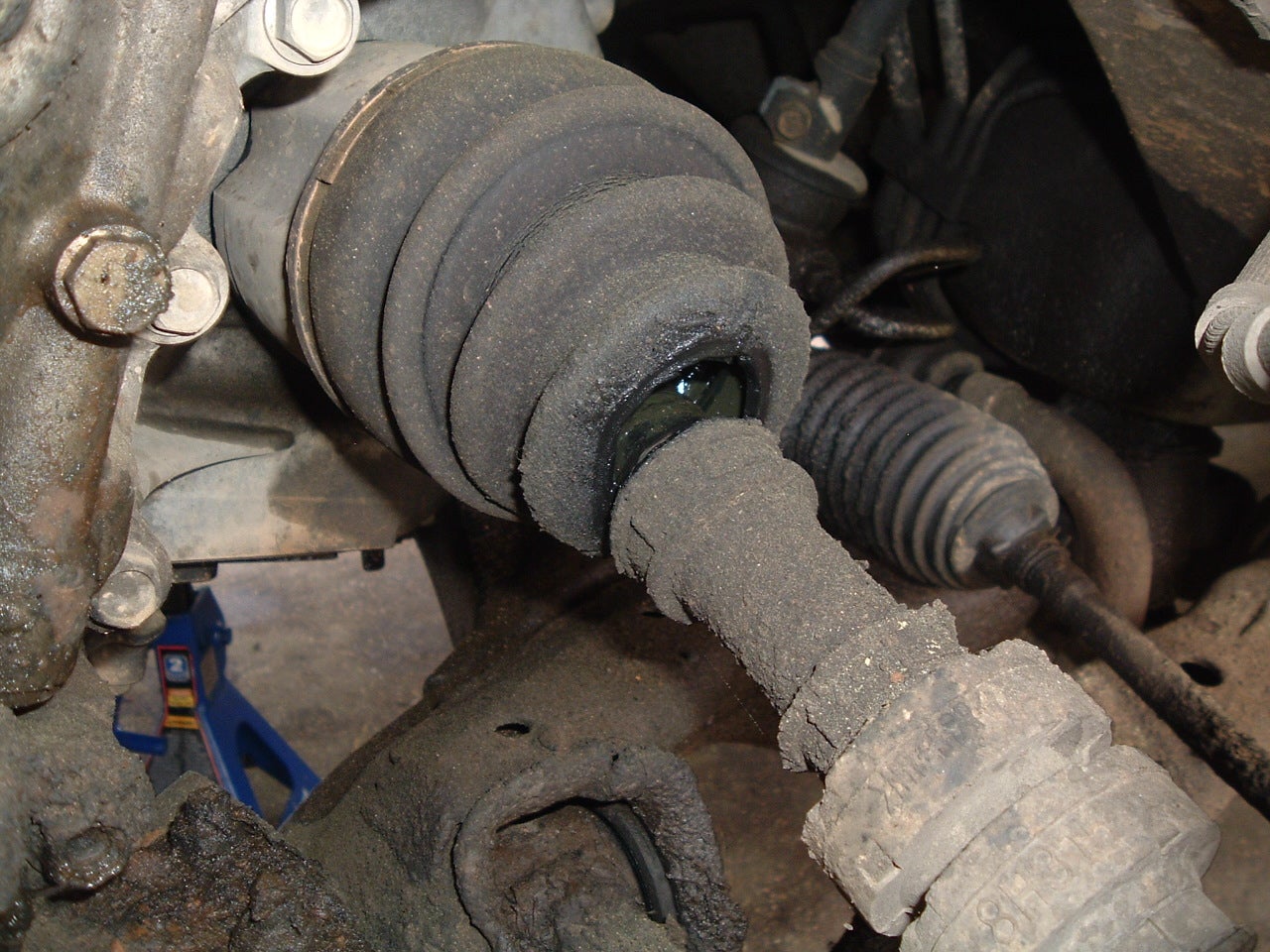
- Check CV Axles: The CV axles (constant velocity axles) transmit power from the transmission to the wheels. If one CV axle is damaged or worn, it can cause uneven power delivery, leading to torque steer. Inspect the CV axle boots for tears or leaks. A clicking or popping sound when turning can also indicate a worn CV axle.
- Engine Mounts: Worn or broken engine mounts can allow the engine to shift under acceleration, which can amplify torque steer. Inspect the engine mounts for cracks or excessive movement.
- Limited-Slip Differential (LSD): Some higher-performance Maximas might have a limited-slip differential. If the LSD is malfunctioning, it can cause uneven power distribution. This usually requires specialized diagnostic equipment.
Tools Needed: Jack, jack stands, wrenches, sockets. Diagnosis of an LSD issue requires specialized equipment.
Approximate Cost: CV axle replacement ($150-$400 per axle), engine mount replacement ($100-$300 per mount). Diagnosis of an LSD issue can vary greatly.
Note: In some cases, especially with high-horsepower aftermarket modifications, some level of torque steer can be considered normal. However, if it's significantly worse than before or feels excessive, it warrants investigation.
Diagnosis Tips
- Note the direction of the pull. Does it pull left or right?
- When does it pull? Only under hard acceleration, or even with light throttle?
- Does the pull change with speed?
- Are there any unusual noises? Clicking, popping, or grinding sounds can provide clues.
- Check for any recent work. Did the issue start after a tire change, brake job, or other maintenance?
When to See a Professional
If you're not comfortable performing automotive repairs, or if you've tried the simple solutions and the problem persists, it's best to take your Maxima to a qualified mechanic. A professional can perform a thorough inspection, diagnose the root cause of the pulling, and recommend the appropriate repairs.
Ignoring a pull under acceleration can lead to premature tire wear, reduced fuel economy, and potentially dangerous handling. Addressing the issue promptly will ensure your Maxima remains safe and enjoyable to drive.
By systematically investigating the potential causes, you can hopefully pinpoint the issue and get your Maxima running straight and true once again.