
Nissan Murano 3.5 Firing Order
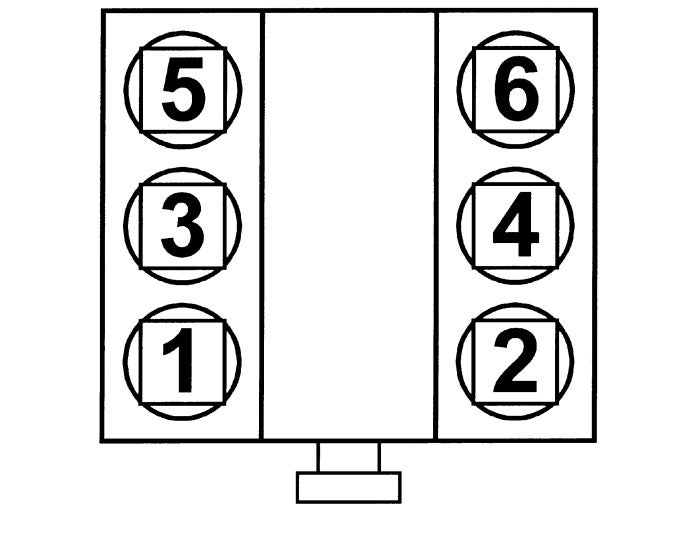
Understanding the Nissan Murano 3.5 firing order is crucial for diagnosing and resolving engine issues related to misfires, rough idling, and overall performance. A proper firing order ensures that each cylinder in your engine receives the spark at the correct time, leading to efficient combustion and optimal power delivery. This article will provide you with a comprehensive overview of the Nissan Murano 3.5 firing order, its significance, and how to identify and address potential problems related to it.
What is the Firing Order of a Nissan Murano 3.5 Engine?
The firing order for the Nissan Murano equipped with the 3.5-liter V6 engine (VQ35DE) is:
1-2-3-4-5-6
This sequence dictates the order in which the spark plugs ignite the air-fuel mixture in each cylinder. It's essential to understand that this is a specific configuration designed for the VQ35DE engine, and deviations from this order will almost certainly result in engine misfires and significant performance problems.
Why is the Firing Order Important?
The firing order is precisely engineered to achieve a balanced and smooth-running engine. Here’s why it matters:
- Balanced Engine Operation: The firing order is designed to distribute the power pulses evenly across the engine. This minimizes vibrations and ensures a smoother ride. An incorrect firing order can lead to excessive engine vibration, potentially damaging engine components over time.
- Optimal Combustion: Each cylinder needs to fire at the correct point in the engine's cycle (intake, compression, power, exhaust). The firing order synchronizes the ignition with these cycles, leading to complete and efficient combustion of the air-fuel mixture.
- Preventing Engine Damage: Misfires caused by an incorrect firing order can allow unburnt fuel to enter the exhaust system, potentially damaging the catalytic converter. Severe misfires can also lead to cylinder head and piston damage.
- Fuel Efficiency: When the cylinders fire in the correct sequence, the engine operates more efficiently, resulting in better fuel economy.
- Emission Control: Efficient combustion is critical for reducing harmful emissions. A proper firing order contributes to lower levels of pollutants released into the atmosphere.
Identifying a Misfire Related to Firing Order
Several symptoms can indicate a misfire possibly related to the firing order:
- Rough Idling: The engine may shake or vibrate noticeably when idling.
- Decreased Power: The vehicle may feel sluggish or lack power during acceleration.
- Poor Fuel Economy: You might notice a significant drop in your gas mileage.
- Check Engine Light: The check engine light (CEL) will likely illuminate, and a diagnostic code will be stored in the engine control unit (ECU).
- Engine Knocking or Popping: You might hear unusual noises coming from the engine, especially during acceleration or deceleration.
Diagnostic Trouble Codes (DTCs)
When the check engine light comes on, the ECU stores diagnostic trouble codes (DTCs) related to the misfire. Common codes associated with misfires include:
- P0300: Random/Multiple Cylinder Misfire Detected
- P0301 - P0306: Cylinder #1-#6 Misfire Detected (These codes specify which cylinder is misfiring).
If you encounter these codes, it's crucial to investigate the cause of the misfire promptly. While not all misfires are related to firing order issues (they can be caused by faulty spark plugs, ignition coils, fuel injectors, etc.), it's a factor to consider, especially if you have recently worked on the ignition system.
Troubleshooting Firing Order Issues
If you suspect a firing order problem, here are some steps you can take to diagnose the issue:
- Verify the Firing Order: Double-check the firing order diagram to ensure you have the correct sequence (1-2-3-4-5-6 for the Nissan Murano 3.5).
- Check the Spark Plug Wiring: Ensure that the spark plug wires (if applicable – later models use coil-on-plug ignition) are connected to the correct spark plugs according to the firing order. An incorrectly connected wire is a common cause of misfires.
- Inspect the Ignition Coils: If your Murano has individual ignition coils (coil-on-plug), test each coil to ensure it's functioning correctly. A faulty coil can prevent the spark plug from firing. A multimeter can be used to measure the resistance of the coil. Also, visually inspect the coils for cracks or damage.
- Check the Spark Plugs: Remove and inspect each spark plug. Look for signs of wear, damage, or fouling (carbon buildup). Replace any spark plugs that are worn or damaged. Ensure you're using the correct type of spark plug recommended for your Nissan Murano.
- Fuel Injector Testing: While less directly related to the firing order itself, a faulty fuel injector can cause a misfire in a specific cylinder. Consider having the fuel injectors tested for proper operation.
- Compression Test: A compression test can help identify any mechanical issues within the cylinders, such as worn piston rings or valves, which can contribute to misfires. Low compression in a cylinder can mimic a firing order problem.
- Use a Scan Tool: A diagnostic scan tool can provide valuable information about the misfire. It can identify which cylinder is misfiring and may provide additional diagnostic codes that can help pinpoint the cause of the problem.
Correcting a Firing Order Error
The most common cause of a firing order problem is simply having the spark plug wires (or coil connections) connected incorrectly. To correct this, carefully follow these steps:
- Locate Cylinder Number 1: Cylinder number 1 is typically located at the front of the engine, on the driver's side. Consult your vehicle's repair manual for the exact location.
- Identify the Distributor Cap (if applicable): If your Murano has a distributor, locate the terminal on the distributor cap that corresponds to cylinder number 1.
- Connect the Wires/Coils: Connect the spark plug wires (or coils) to the spark plugs in the correct order (1-2-3-4-5-6), following the firing order diagram. Double-check each connection to ensure it's secure. On coil-on-plug systems, ensure each coil is properly seated and connected to its corresponding spark plug.
- Clear the Diagnostic Codes: After correcting the wiring, use a scan tool to clear any diagnostic codes from the ECU.
- Test Drive: Take the vehicle for a test drive to see if the misfire has been resolved. Monitor the engine for any signs of rough idling, decreased power, or unusual noises.
Tools and Resources
To diagnose and correct firing order issues, you may need the following tools:
- Scan Tool: To read and clear diagnostic trouble codes.
- Multimeter: To test the resistance of ignition coils.
- Spark Plug Socket and Wrench: To remove and install spark plugs.
- Firing Order Diagram: A visual representation of the firing order for your specific engine.
- Repair Manual: Provides detailed information about your vehicle's engine and ignition system.
Several online resources can also provide helpful information, including:
- Online Forums: Nissan Murano owner forums can offer insights and advice from other owners who have experienced similar issues.
- YouTube Tutorials: Many videos demonstrate how to diagnose and repair engine misfires.
- Repair Websites: Websites like ALLDATA and Mitchell OnDemand provide detailed repair information for automotive technicians.
Preventative Maintenance
Regular maintenance can help prevent firing order problems and other engine issues. Here are some tips:
- Regular Spark Plug Replacement: Replace your spark plugs according to the manufacturer's recommended maintenance schedule. Worn spark plugs can cause misfires and reduced fuel economy.
- Inspect Ignition Components: Periodically inspect the spark plug wires (if applicable), ignition coils, and distributor cap (if applicable) for signs of wear or damage.
- Fuel System Maintenance: Keep your fuel system clean by using fuel injector cleaner periodically.
- Oil Changes: Regular oil changes are essential for maintaining engine health and preventing premature wear.
Conclusion
Understanding the Nissan Murano 3.5 firing order is essential for diagnosing and resolving engine misfires. By knowing the correct firing order (1-2-3-4-5-6), you can troubleshoot potential problems and ensure your engine runs smoothly and efficiently. If you're not comfortable working on your vehicle's ignition system, it's always best to consult a qualified mechanic. A professional technician can accurately diagnose the problem and perform the necessary repairs to get your Nissan Murano back on the road.
Disclaimer: This article provides general information and should not be considered a substitute for professional automotive advice. Always consult with a qualified mechanic for any repairs or maintenance on your vehicle.