
Nissan Murano Won't Start Brake Locked
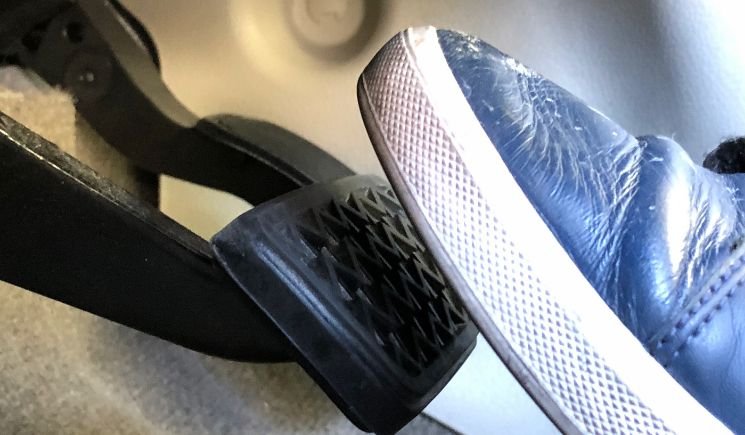
Okay, so your Nissan Murano won't start, and the brake pedal is locked up solid. That's a frustrating combination, but let's break down the potential causes and how to troubleshoot them. We'll cover the common culprits, from simple fixes to more involved diagnostics. This isn't a guaranteed solution, but it will give you a solid starting point to get your Murano back on the road.
Understanding the Interlock System
Modern vehicles, including your Murano, use an interlock system that prevents the vehicle from starting unless certain conditions are met. The most common of these is the brake-shift interlock. This system is designed as a safety feature to prevent accidental acceleration during starting. The brake pedal needs to be depressed for the shift lever to move out of "Park" and, importantly, to allow the engine to crank. When this system malfunctions, it can feel like the brake pedal is physically locked.
The brake-shift interlock usually involves these components:
- Brake Pedal Position (BPP) Sensor: This sensor tells the car's computer (the Engine Control Module - ECM) whether or not the brake pedal is being pressed.
- Shift Lock Solenoid: A small electrical solenoid that physically blocks the shift lever from moving out of "Park" unless energized.
- Engine Control Module (ECM): The brain of the operation. The ECM receives signals from the BPP sensor and controls the shift lock solenoid.
- Ignition Switch: While not directly part of the interlock, a faulty ignition switch can prevent the system from receiving power or communicating properly.
Common Causes and Troubleshooting Steps
1. Low Battery Voltage
Believe it or not, a weak battery is a very common cause of this issue. A low voltage condition can cause the ECM to behave erratically, preventing it from properly activating the shift lock solenoid or misinterpreting the BPP sensor signal. Even if the battery seems to have enough power to light up the dashboard, it might not have enough amperage to reliably operate the starting system and interlock.
Troubleshooting:
- Voltage Test: Use a multimeter to check the battery voltage. A fully charged battery should read around 12.6 volts. Anything below 12.2 volts is suspect.
- Load Test: A load test is a more accurate way to assess battery health. Most auto parts stores will perform a free load test.
- Jump Start: Try jump-starting the Murano. If it starts with a jump, the battery is likely the culprit.
- Clean Battery Terminals: Corrosion on the battery terminals can significantly reduce current flow. Clean the terminals with a wire brush and battery terminal cleaner.
If the battery is weak or corroded, replace it with a new one that meets the Murano's specifications.
2. Faulty Brake Pedal Position (BPP) Sensor
The BPP sensor is a crucial part of the interlock system. If this sensor fails to send the correct signal to the ECM, the ECM won't activate the shift lock solenoid, and the car won't start. There are typically two types of BPP sensors: analog and digital. An analog sensor provides a variable voltage signal, while a digital sensor provides an on/off signal.
Troubleshooting:
- Visual Inspection: Locate the BPP sensor (usually near the brake pedal assembly) and check for any obvious damage to the sensor or its wiring.
- Multimeter Test: Use a multimeter to test the BPP sensor's output. Consult your Murano's service manual for the correct voltage readings and test procedures. For example, a typical analog BPP sensor might output a voltage between 0.5V and 4.5V depending on the brake pedal position. If the voltage is erratic or non-existent, the sensor is likely faulty.
- Scan Tool: A scan tool can often read the BPP sensor's output in real-time. This allows you to monitor the sensor's signal as you press and release the brake pedal. Look for any dropouts or inconsistencies. A generic OBDII scanner may not be able to read this data, so a more advanced scanner may be necessary.
If the BPP sensor is faulty, replace it with a new one. Be sure to disconnect the battery before replacing any electrical components.
3. Defective Shift Lock Solenoid
The shift lock solenoid physically prevents the shift lever from moving. If this solenoid fails, it can remain locked even when the brake pedal is depressed. Sometimes, the solenoid can get stuck due to debris or corrosion.
Troubleshooting:
- Listen for the Click: With the ignition on and the brake pedal depressed, listen for a clicking sound coming from the shift lever area. This indicates the solenoid is at least attempting to activate. If you don't hear a click, the solenoid may be faulty or not receiving power.
- Continuity Test: Use a multimeter to check the solenoid's continuity. Disconnect the solenoid's connector and measure the resistance across its terminals. Consult your Murano's service manual for the correct resistance value. If the resistance is infinite (open circuit) or zero (short circuit), the solenoid is likely faulty.
- Voltage Test: With the brake pedal depressed, use a multimeter to check for voltage at the solenoid's connector. If there's no voltage, the solenoid is not receiving power, and the problem may lie upstream in the wiring or the ECM.
- Manual Override: Most Muranos have a manual shift lock override. This is typically a small access panel near the shift lever. Consult your owner's manual for the location and procedure. Using the override allows you to shift out of "Park" without depressing the brake pedal. If the car starts after using the override, it confirms a problem with the shift lock solenoid or its control circuit. Use this override with extreme caution and only in a safe, controlled environment.
If the shift lock solenoid is faulty, replace it. Accessing the solenoid typically involves removing the center console.
4. Faulty Ignition Switch
While less common, a faulty ignition switch can prevent the car from starting and may also cause the brake pedal to lock up. The ignition switch provides power to various systems, including the ECM and the shift lock solenoid. If the switch is failing, it may not be sending the correct signals or providing sufficient power.
Troubleshooting:
- Check for Power: Use a multimeter to check for power at the ignition switch terminals. Consult your Murano's wiring diagram to identify the correct terminals.
- Wiggle Test: With the key in the "Start" position, try wiggling the ignition switch. If the car suddenly starts or attempts to start, the switch is likely faulty.
- Visual Inspection: Check the ignition switch connector for any signs of corrosion or damage.
Replacing the ignition switch can be a more complex task, often requiring the removal of the steering wheel and related components. Consider consulting a professional mechanic if you're not comfortable with this procedure.
5. Wiring Issues
Damaged or corroded wiring can also cause starting problems and brake lockup. Check the wiring harness for any signs of damage, such as frayed wires, broken connectors, or corrosion.
Troubleshooting:
- Visual Inspection: Carefully inspect the wiring harness that connects the BPP sensor, shift lock solenoid, ECM, and ignition switch. Pay close attention to areas where the wiring harness may be exposed to heat, vibration, or moisture.
- Continuity Test: Use a multimeter to check the continuity of the wires in the wiring harness. Disconnect the battery before performing this test.
- Voltage Drop Test: A voltage drop test can help identify areas of high resistance in the wiring harness. This test involves measuring the voltage drop across a wire while it's carrying a load. Excessive voltage drop indicates a problem with the wire.
Repairing damaged wiring can be time-consuming, but it's essential to ensure proper electrical connections.
6. ECM Issues
In rare cases, a faulty ECM can be the cause of the problem. The ECM controls the shift lock solenoid and monitors the BPP sensor. If the ECM is malfunctioning, it may not be able to properly operate the interlock system.
Troubleshooting:
- Check for Diagnostic Trouble Codes (DTCs): Use a scan tool to check for any DTCs related to the ECM, BPP sensor, or shift lock solenoid. These codes can provide valuable clues about the source of the problem.
- Inspect ECM Connectors: Ensure that the ECM connectors are clean and properly seated. Corrosion or loose connections can interfere with the ECM's operation.
- Professional Diagnosis: ECM issues are often difficult to diagnose without specialized equipment and expertise. If you suspect an ECM problem, it's best to consult a professional mechanic.
ECM replacement and reprogramming are best left to qualified technicians. It often requires specialized tools and software.
Safety Precautions
When working on your car, always take the following safety precautions:
- Disconnect the battery before working on any electrical components.
- Use proper tools and equipment.
- Wear safety glasses and gloves.
- Work in a well-ventilated area.
- Consult your Murano's service manual for specific instructions and warnings.
Disclaimer: This article provides general information and troubleshooting tips. It's not a substitute for professional automotive advice. If you're not comfortable performing these repairs yourself, consult a qualified mechanic.