
Nissan Nv200 Wheelchair Accessible Vehicle
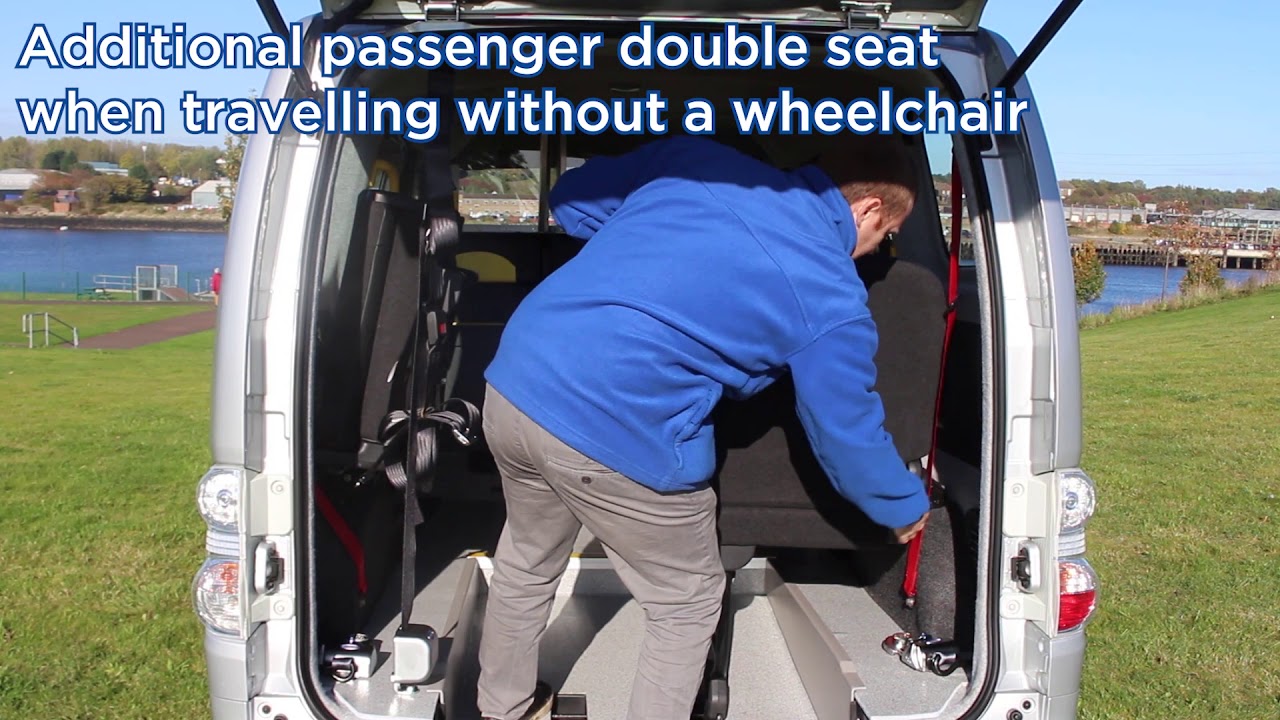
Welcome! Owning a Nissan NV200 Wheelchair Accessible Vehicle (WAV) offers independence and convenience, but like any vehicle, issues can arise. This article addresses common problems you might encounter and provides practical solutions to help you keep your NV200 WAV running smoothly and safely. Consider this your go-to guide for troubleshooting and maintaining your specialized vehicle. We'll cover everything from ramp issues to common mechanical repairs, providing estimated costs and necessary tools. Always prioritize safety and, when in doubt, consult a qualified mechanic specializing in wheelchair accessible vehicles.
Ramp and Lift Issues
The ramp or lift is the heart of your NV200 WAV. Its proper functioning is critical for accessibility. Here are some common issues and how to address them:
Ramp Not Deploying/Retracting
This is arguably the most frustrating problem. Here's a breakdown of potential causes:
- Electrical Issues: Check the fuses! A blown fuse is often the culprit. The fuse box location varies depending on the conversion, but it's usually under the dashboard or in the engine compartment. Consult your WAV conversion documentation for specific locations and fuse ratings. A fuse puller and replacement fuses are essential. Expect to pay around $5-$10 for a fuse assortment.
- Wiring Problems: Inspect the wiring harness leading to the ramp motor and control module. Look for frayed wires, loose connections, or corrosion. A multimeter is invaluable for testing continuity and voltage. Wire strippers, crimpers, and electrical tape are needed for repairs. Replacing damaged wiring can cost $50-$200 depending on the extent of the damage and labor involved.
- Hydraulic Pump/Motor (if applicable): Some ramps use a hydraulic system. Check the hydraulic fluid level. Low fluid can prevent proper operation. Top off with the recommended fluid type. A slow or noisy pump might indicate a failing pump or motor. Replacement can range from $300-$800 plus labor.
- Control Module Malfunction: The control module is the "brain" of the ramp system. If other troubleshooting steps fail, the module might be faulty. Diagnosis requires specialized equipment and a qualified technician. Replacement can be expensive, ranging from $500-$1500 plus labor.
- Obstructions: Ensure nothing is physically blocking the ramp's movement. Debris, ice, or even a misaligned parking brake can interfere.
Tip: Regularly inspect and lubricate the ramp's hinges and moving parts with a silicone-based lubricant to prevent sticking and corrosion. This can save you from future headaches.
Ramp Deploying/Retracting Slowly or Jerkily
A sluggish ramp can be annoying and potentially unsafe.
- Low Battery Voltage: A weak battery can struggle to power the ramp motor, especially in colder temperatures. Have your battery tested and replace it if necessary. Expect to pay $100-$250 for a new battery.
- Worn Ramp Motor: Over time, the ramp motor can wear out. Listen for unusual noises or signs of struggle. Replacing the motor can cost $200-$500 plus labor.
- Lack of Lubrication: As mentioned earlier, proper lubrication is crucial. Re-lubricate all moving parts.
- Binding or Obstructions: Carefully inspect for any binding points or obstructions that might be hindering smooth movement.
Pro Tip: Before replacing any major components, try a ramp reset procedure (if available). Consult your WAV conversion documentation or contact the conversion company for specific instructions.
Ramp Makes Loud Noises
Unusual noises often indicate a mechanical problem.
- Worn Bearings or Bushings: Worn bearings or bushings in the ramp mechanism can cause grinding or squealing noises. Replacement is necessary. Expect to pay $50-$200 plus labor, depending on the specific parts needed.
- Loose Hardware: Check all bolts and fasteners on the ramp assembly. Tighten any loose hardware. A simple wrench set can be all you need.
- Motor Issues: Grinding or whining noises from the motor itself usually indicate internal damage and necessitate replacement.
Nissan NV200 Mechanical Issues
Beyond the accessibility features, your NV200 WAV shares the same mechanical components as a standard NV200. Here are some common issues and solutions:
Engine Problems
- Check Engine Light: This can indicate a wide range of problems. Have the code read at an auto parts store or by a mechanic. Common causes include a faulty oxygen sensor ($50-$150), loose gas cap, or a catalytic converter issue (expensive!).
- Rough Idling: Could be caused by a vacuum leak, dirty throttle body, or faulty spark plugs. Cleaning the throttle body is a relatively simple DIY task. Spark plug replacement is also straightforward, but requires specific tools (spark plug socket, torque wrench). Expect to pay $30-$50 for spark plugs and $5-$10 for throttle body cleaner.
- Oil Leaks: Common leak points include the valve cover gasket, oil pan gasket, and rear main seal. Repair costs vary depending on the location and severity of the leak. Expect to pay $100-$500 plus labor.
Transmission Issues
- Slipping Gears: Indicates worn clutch packs or low transmission fluid. Check the fluid level and condition. If the fluid is dark or smells burnt, a transmission flush or rebuild may be necessary. A transmission flush can cost $100-$200, while a rebuild can range from $1500-$3000.
- Harsh Shifting: Could be caused by low transmission fluid, a faulty shift solenoid, or internal transmission damage.
- Unusual Noises: Whining or grinding noises from the transmission warrant immediate attention.
Brake Problems
- Squealing Brakes: Often indicates worn brake pads. Replacing brake pads is a relatively straightforward DIY task, but requires specific tools (jack, lug wrench, brake caliper tool). Expect to pay $50-$100 per axle for brake pads.
- Grinding Noises: Indicates metal-on-metal contact, meaning the brake pads are completely worn down and the rotors are being damaged. Replacing rotors is more complex and usually requires a mechanic.
- Spongy Brake Pedal: Could be caused by air in the brake lines. Bleeding the brakes is necessary.
Suspension Issues
- Bumpy Ride: Worn shocks or struts are a common cause. Replacement is necessary. Expect to pay $100-$300 per corner for shocks or struts, plus labor.
- Clunking Noises: Could indicate worn ball joints, tie rod ends, or sway bar links. These components should be inspected and replaced as needed.
Maintaining Your NV200 WAV
Preventative maintenance is key to keeping your NV200 WAV in top condition.
- Regular Oil Changes: Follow the manufacturer's recommended oil change intervals.
- Tire Rotations: Rotate your tires every 5,000-7,000 miles to ensure even wear.
- Brake Inspections: Have your brakes inspected regularly by a qualified mechanic.
- Fluid Checks: Regularly check and top off all fluid levels (engine oil, coolant, brake fluid, power steering fluid, transmission fluid).
- Ramp/Lift Maintenance: As mentioned earlier, regularly lubricate and inspect the ramp or lift mechanism.
Important Safety Considerations
Before attempting any repairs, disconnect the battery's negative terminal to prevent electrical shock. Always use jack stands when working under the vehicle. If you are not comfortable performing a particular repair, consult a qualified mechanic specializing in wheelchair accessible vehicles. Modifying your vehicle's accessibility features without proper knowledge and expertise can be dangerous and may void your warranty.
This guide provides general information and troubleshooting tips. Always consult your owner's manual and WAV conversion documentation for specific instructions and recommendations. Remember, a well-maintained NV200 WAV will provide you with years of reliable and safe transportation. If you have any specific questions or concerns, don't hesitate to reach out to a qualified mechanic specializing in accessible vehicles.