
Nissan Pathfinder Alternator Replacement Cost
So, you're facing the dreaded blinking battery light or, worse, a completely dead Pathfinder. Chances are, your alternator is the culprit. Replacing it isn't rocket science, but understanding the costs involved and the process itself is key to making an informed decision, whether you tackle it yourself or take it to a shop. This article will break down the costs associated with replacing the alternator in your Nissan Pathfinder, covering everything from parts to labor, and even dipping into some troubleshooting tips.
Understanding the Role of the Alternator
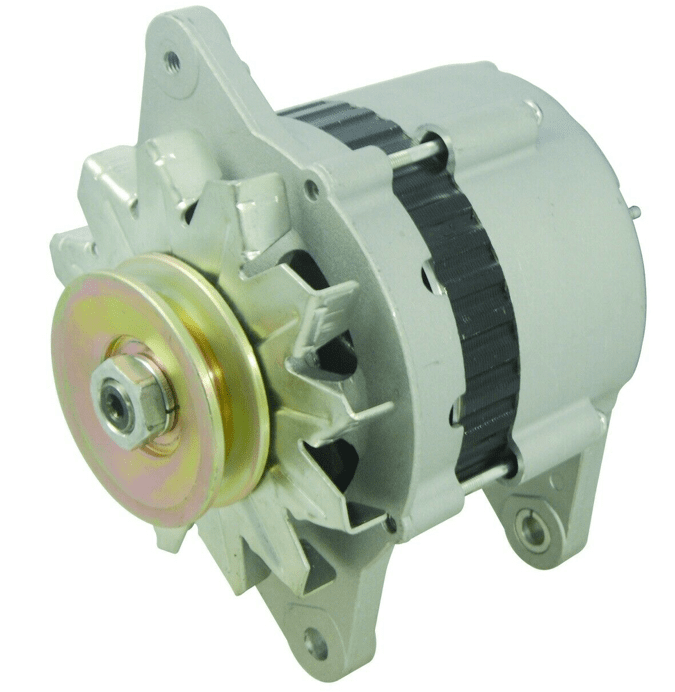
Before we dive into the costs, let’s recap what the alternator does. The alternator is essentially a miniature power plant for your vehicle. Its primary function is to generate electricity to power the electrical systems (lights, radio, power windows, etc.) while the engine is running. More importantly, it recharges the battery. It converts mechanical energy from the engine's rotation, via a belt, into electrical energy. If your alternator fails, the battery eventually drains, leaving you stranded. The alternator's output is measured in amps, and different Pathfinder models may use alternators with different amperage ratings, depending on the electrical load of the vehicle.
A healthy alternator will typically output 13.5 to 14.5 volts when tested with a multimeter while the engine is running. A lower voltage can indicate a failing alternator, but it could also point to other issues like a bad battery or a wiring problem. Always perform a thorough diagnosis before condemning the alternator.
Factors Affecting Replacement Cost
Several factors influence the total cost of replacing your Pathfinder's alternator. These include:
- Year and Model of Your Pathfinder: Older models generally have cheaper parts. Newer, more complex models might require specific, and pricier, alternators.
- Type of Alternator: New, remanufactured, or used alternators each have different price points.
- Labor Costs: If you're paying a mechanic, labor rates vary significantly depending on your location and the shop's hourly rate.
- Location of Repair: Dealerships typically charge more than independent repair shops.
- Diagnostic Fees: Some shops charge a diagnostic fee to confirm the alternator is indeed the problem.
Alternator Costs: New vs. Remanufactured vs. Used
Let's break down the cost of the alternator itself:
New Alternators
A new alternator is, as the name suggests, a brand-new unit manufactured by the original equipment manufacturer (OEM) or a third-party aftermarket company. New alternators offer the best reliability and lifespan. Expect to pay between $250 and $600 for a new alternator, depending on the brand and your Pathfinder's model year. OEM alternators (usually from Nissan/Hitachi) will generally be more expensive than aftermarket options.
Remanufactured Alternators
Remanufactured alternators are used alternators that have been rebuilt and tested to meet original factory specifications. They are a more economical option than new alternators and typically come with a warranty. You can expect to pay between $150 and $400 for a remanufactured alternator. The price difference reflects the fact that the core (the original alternator) has already been produced, saving on materials and manufacturing costs. Pay close attention to the warranty offered on remanufactured units; a longer warranty generally indicates a higher quality rebuild.
Used Alternators
Used alternators are the cheapest option, but also the riskiest. They are taken from salvaged vehicles and sold as-is. While you might save money upfront (expect to pay between $50 and $200), there's no guarantee of their reliability or lifespan. Used alternators typically do not come with any warranty, so you're taking a gamble. Unless you're on an extremely tight budget, it's generally advisable to avoid used alternators for critical components like the alternator.
Core Charge: When purchasing a new or remanufactured alternator, you'll often encounter a "core charge." This is a refundable deposit you pay upfront, which is refunded when you return your old alternator (the "core") to the supplier. The core charge encourages recycling and ensures that the old alternators are properly remanufactured or disposed of. Core charges can range from $50 to $150.
Labor Costs
If you're not comfortable replacing the alternator yourself, you'll need to factor in labor costs. Labor rates vary by location and shop, but you can generally expect to pay between $100 and $300 for alternator replacement labor. The exact cost will depend on the complexity of the job and the shop's hourly rate. Some Pathfinders have alternators that are easily accessible, while others require removing other components to gain access, increasing labor time.
Factors that influence Labor cost: The engine configuration (V6 vs. I4), the presence of accessories that need to be removed (like skid plates on off-road models), and the overall accessibility of the alternator all play a role in determining the labor cost. Also, if the serpentine belt needs replacement (which is highly recommended during alternator replacement), that will add to the labor time and cost.
Total Replacement Cost Estimate
Adding together the parts and labor costs, here's a rough estimate of the total alternator replacement cost for a Nissan Pathfinder:
- DIY with a Remanufactured Alternator: $150 - $400 (plus tools if needed)
- DIY with a New Alternator: $250 - $600 (plus tools if needed)
- Professional Replacement with a Remanufactured Alternator: $250 - $700
- Professional Replacement with a New Alternator: $350 - $900
These are just estimates. Getting quotes from multiple shops is always a good idea to ensure you're getting a fair price.
DIY Replacement: Tools and Steps
If you're a confident DIYer, you can save money by replacing the alternator yourself. Here's a general overview of the process:
Required Tools
- Socket set and wrenches
- Screwdrivers (Phillips and flathead)
- Multimeter
- Serpentine belt tool (or suitable wrench)
- Battery terminal cleaner
- Gloves and safety glasses
Steps
- Disconnect the Battery: Always disconnect the negative battery terminal first to prevent electrical shorts.
- Locate the Alternator: The alternator is usually located on the front of the engine, driven by the serpentine belt.
- Remove the Serpentine Belt: Use a serpentine belt tool or wrench to release the tension on the belt and remove it from the alternator pulley.
- Disconnect Electrical Connectors: Disconnect the wiring harness and the B+ (battery positive) cable from the alternator.
- Remove Mounting Bolts: Remove the bolts that secure the alternator to the engine block.
- Remove the Alternator: Carefully remove the old alternator.
- Install the New Alternator: Install the new alternator, tightening the mounting bolts to the correct torque specification.
- Reconnect Electrical Connectors: Reconnect the wiring harness and the B+ cable.
- Reinstall the Serpentine Belt: Reinstall the serpentine belt, ensuring it's properly seated on all pulleys.
- Reconnect the Battery: Reconnect the negative battery terminal.
- Test the System: Start the engine and use a multimeter to check the alternator's output voltage. It should be between 13.5 and 14.5 volts.
Important Safety Note: Always consult your Pathfinder's repair manual for specific instructions and torque specifications. Working on electrical systems can be dangerous, so take precautions and wear appropriate safety gear.
Troubleshooting Before Replacement
Before you jump to replacing the alternator, rule out other potential causes of electrical problems. Here are a few things to check:
- Battery Condition: A weak or failing battery can mimic alternator problems. Have the battery load tested.
- Loose or Corroded Connections: Check the battery terminals and alternator connections for corrosion or looseness. Clean and tighten them as needed.
- Serpentine Belt Tension: A loose serpentine belt can cause the alternator to underperform.
- Fuses and Relays: Check the fuses and relays related to the charging system.
Extending Alternator Life
While alternators eventually wear out, you can take steps to extend their lifespan:
- Avoid Excessive Electrical Loads: Minimizing the use of power-hungry accessories (like high-powered stereos and auxiliary lighting) can reduce strain on the alternator.
- Regular Maintenance: Keep the serpentine belt in good condition and properly tensioned.
- Address Electrical Problems Promptly: Don't ignore warning signs like a dimming headlight or a slow-cranking engine.
Replacing your Nissan Pathfinder's alternator can be a straightforward process, but understanding the costs involved and the potential pitfalls is crucial. Whether you choose to tackle it yourself or hire a professional, being informed will help you make the best decision for your vehicle and your budget.