
Nissan Pathfinder Transmission Replacement
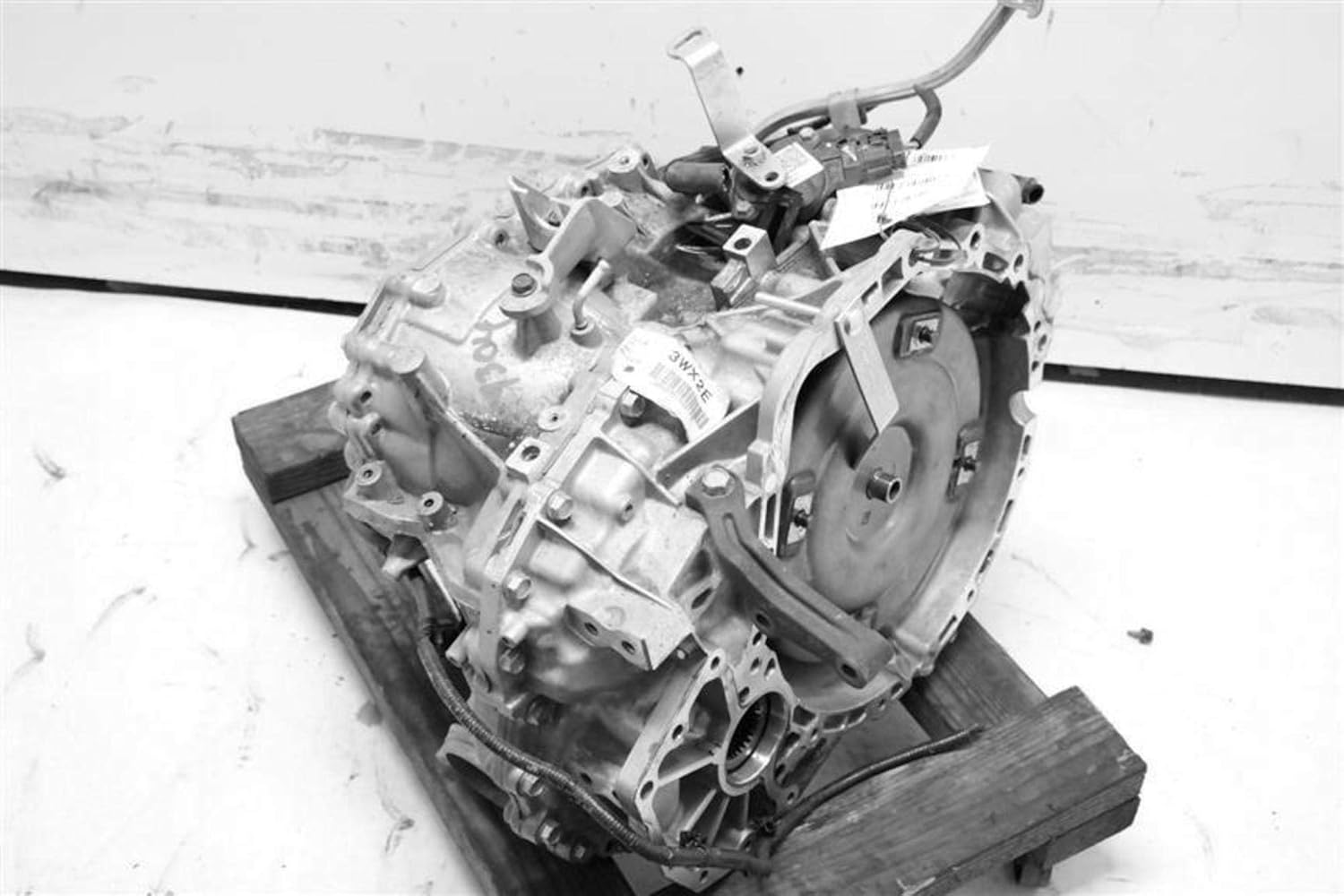
So, your Nissan Pathfinder's transmission is acting up? It's a problem we see fairly often here at the shop, and I understand it can be a stressful situation. Transmissions are complex and critical to your vehicle's operation. The good news is that most transmission issues *can* be resolved. This article aims to walk you through understanding the problem, exploring potential solutions, and outlining what to expect from a transmission replacement on your Pathfinder.
Recognizing the Signs: Is Your Transmission Failing?
Before jumping to conclusions, let's be sure the issue is definitely the transmission. Here are some common symptoms that indicate a potential transmission problem in your Nissan Pathfinder:
- Slipping Gears: This is where the engine revs higher than usual, but the vehicle doesn't accelerate proportionally. It feels like the transmission is losing its grip.
- Rough or Hard Shifting: Shifts may be jerky, delayed, or accompanied by a noticeable thud or clunk.
- Failure to Shift: The transmission may get stuck in one gear, or refuse to shift at all.
- Unusual Noises: Whining, humming, or clunking sounds coming from underneath the vehicle, especially during gear changes.
- Burning Smell: A distinct burning odor, often associated with overheating transmission fluid.
- Check Engine Light: While not always transmission-specific, a check engine light combined with any of the above symptoms warrants investigation. Get the code read! Many auto parts stores will do this for free.
- Fluid Leaks: Reddish-brown fluid pooling under your vehicle is a strong indicator of a transmission fluid leak. Check the dipstick level to confirm.
Important Note: Some of these symptoms can also be caused by other issues, such as low transmission fluid, faulty sensors, or even engine problems. A proper diagnosis is crucial before committing to a transmission replacement.
Diagnosing the Problem: What's Causing the Trouble?
If you suspect a transmission problem, the first step is a thorough diagnosis. Here's what a mechanic will typically do:
- Visual Inspection: Checking for leaks, damage to the transmission housing, and the condition of the transmission fluid.
- Fluid Level and Condition Check: Low or dirty transmission fluid can cause a multitude of problems. The fluid should be bright red and smell sweet. Dark, burnt-smelling fluid is a bad sign.
- Scan for Diagnostic Trouble Codes (DTCs): Connecting a scan tool to the vehicle's computer to retrieve any stored error codes. These codes provide valuable clues about the nature of the problem.
- Test Drive: Observing the transmission's performance under various driving conditions.
- Internal Inspection (if necessary): In some cases, a mechanic may need to drop the transmission pan to inspect the valve body, solenoids, and other internal components for damage or wear.
- Pressure Testing: Checking transmission fluid pressure at various points in the system to identify internal leaks or malfunctions.
Based on the diagnosis, the mechanic will determine the extent of the damage and recommend the best course of action. Sometimes, a simple repair like a fluid change or solenoid replacement can resolve the issue. However, in more severe cases, a transmission replacement may be necessary.
The Solution: Transmission Replacement – What to Expect
If a transmission replacement is deemed necessary, here's what you can expect:
Understanding Your Options: New, Remanufactured, or Used?
You generally have three options when it comes to transmission replacement:
- New Transmission: This is the most expensive option, but it offers the peace of mind of having a brand-new transmission with a full manufacturer's warranty.
- Remanufactured Transmission: A remanufactured transmission is a used transmission that has been completely disassembled, cleaned, inspected, and rebuilt with new or reconditioned parts. These typically come with a warranty and are a good balance between cost and reliability.
- Used Transmission: This is the least expensive option, but it's also the riskiest. You're essentially buying a used transmission "as is," with no guarantee of its condition or lifespan. While sometimes a budget necessity, it’s generally not recommended unless you absolutely know the history of the transmission.
I generally recommend a remanufactured unit for most Pathfinders. It gives you good reliability at a reasonable price point.
The Replacement Process: A Step-by-Step Overview
Replacing a transmission is a complex and time-consuming process that requires specialized tools and expertise. Here's a general overview of the steps involved:
- Disconnecting the Battery: This is a safety precaution to prevent electrical shorts.
- Draining the Transmission Fluid: The old transmission fluid is drained from the transmission pan.
- Removing the Driveshaft(s): The driveshaft(s) connecting the transmission to the axles are disconnected.
- Disconnecting Electrical Connectors and Cables: All electrical connectors, shift linkage, and cooler lines are disconnected from the transmission.
- Supporting the Engine: An engine support bar or jack is used to support the engine once the transmission is removed.
- Removing the Transmission Mounts: The transmission mounts that secure the transmission to the vehicle's frame are removed.
- Removing the Transmission: The transmission is carefully lowered from the vehicle using a transmission jack. This can be heavy!
- Inspecting and Preparing the New/Remanufactured Transmission: The new or remanufactured transmission is inspected for any damage and prepared for installation.
- Installing the New/Remanufactured Transmission: The new or remanufactured transmission is carefully lifted into place and secured to the engine.
- Reconnecting Components: All electrical connectors, shift linkage, cooler lines, driveshaft(s), and transmission mounts are reconnected.
- Filling with New Transmission Fluid: The transmission is filled with the correct type and amount of transmission fluid.
- Testing the Transmission: The vehicle is test driven to ensure the transmission is shifting properly and operating smoothly.
- Checking for Leaks: The mechanic will carefully inspect the transmission for any leaks.
Tools Needed (If You're Considering DIY - Proceed with Caution!)
While I strongly recommend having a professional mechanic handle a transmission replacement, here's a list of tools you'd need if you were to attempt it yourself:
- Socket Set and Wrenches: Metric sockets and wrenches in various sizes.
- Torque Wrench: To ensure bolts are tightened to the correct specifications.
- Screwdrivers: Both flathead and Phillips head screwdrivers.
- Pliers: Various types of pliers, including needle-nose and channel-lock pliers.
- Transmission Jack: Essential for safely lowering and lifting the transmission.
- Engine Support Bar or Jack: To support the engine when the transmission is removed.
- Drain Pan: To catch the old transmission fluid.
- Funnel: For filling the transmission with new fluid.
- Shop Rags: Lots of them!
- Penetrating Oil: To loosen stubborn bolts.
- Service Manual: A detailed service manual for your specific Pathfinder model is *essential*.
- Safety Glasses and Gloves: Protect your eyes and hands!
Disclaimer: Attempting a transmission replacement without proper knowledge and experience can be dangerous and can cause further damage to your vehicle. If you're not comfortable with this type of work, please leave it to a professional.
The Cost of Transmission Replacement
The cost of a Nissan Pathfinder transmission replacement can vary depending on several factors, including:
- The Type of Transmission: New transmissions are the most expensive, followed by remanufactured transmissions, and then used transmissions.
- Labor Costs: Labor rates vary from shop to shop.
- Location: Prices may be higher in certain geographic areas.
- Year and Model of Your Pathfinder: Some models may have more complex transmissions or require more labor to replace.
As a general guideline, you can expect to pay anywhere from $2,500 to $5,000 for a transmission replacement on a Nissan Pathfinder. This includes the cost of the transmission, labor, and any necessary fluids or parts. A used transmission *could* be cheaper, but the risks are significantly higher.
Always get quotes from multiple shops before making a decision. Be sure to ask for a detailed breakdown of the costs, including the price of the transmission, labor, and any other fees.
Preventing Future Transmission Problems
Once you've had your transmission replaced, you'll want to do everything you can to prevent future problems. Here are some tips:
- Regular Transmission Fluid Changes: Follow the manufacturer's recommended maintenance schedule for transmission fluid changes. This is crucial for keeping the transmission lubricated and cool.
- Avoid Aggressive Driving: Hard acceleration, frequent stop-and-go driving, and towing heavy loads can put extra stress on the transmission.
- Check Transmission Fluid Level Regularly: Periodically check the transmission fluid level to ensure it's within the proper range.
- Address Problems Promptly: If you notice any signs of transmission problems, such as slipping gears or rough shifting, get them checked out by a mechanic right away. Addressing problems early can often prevent them from escalating into more serious and expensive repairs.
- Consider an Auxiliary Transmission Cooler: If you frequently tow heavy loads or drive in hot climates, consider installing an auxiliary transmission cooler. This can help to keep the transmission fluid cool and prevent overheating.
In Conclusion
A Nissan Pathfinder transmission replacement is a significant repair, but it's often necessary to keep your vehicle running smoothly and reliably. By understanding the symptoms of transmission problems, getting a proper diagnosis, and choosing the right replacement option, you can make an informed decision and get your Pathfinder back on the road. Remember to prioritize preventative maintenance to extend the life of your new transmission and avoid future issues. And when in doubt, always consult with a qualified mechanic to get expert advice and assistance. Good luck!