
Nissan Rogue Heat Shield Replacement Cost
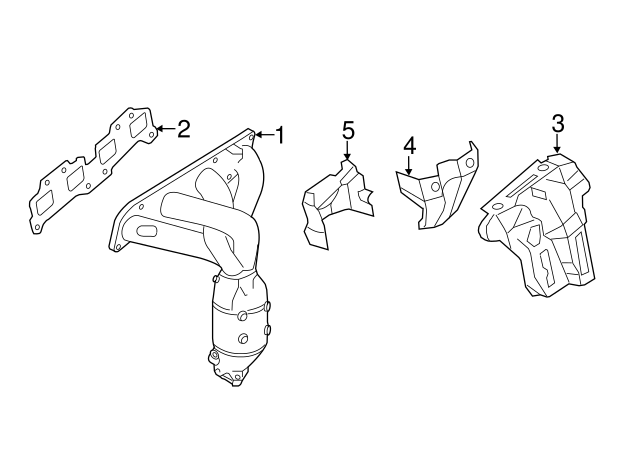
The Nissan Rogue, a popular compact SUV, is known for its reliability and fuel efficiency. However, like all vehicles, it requires regular maintenance and occasional repairs. One component that often gets overlooked but plays a crucial role is the heat shield. This article provides a comprehensive overview of the Nissan Rogue heat shield, its function, symptoms of damage, and, most importantly, the replacement cost.
What is a Nissan Rogue Heat Shield and What Does It Do?
A heat shield is a protective barrier designed to deflect heat away from sensitive components of your vehicle. In the Nissan Rogue, heat shields are strategically placed in several locations:
- Exhaust System: Located around the exhaust manifold, catalytic converter, muffler, and exhaust pipes. These shields prevent excessive heat from radiating outwards and potentially damaging the undercarriage, fuel lines, and other nearby parts.
- Fuel Tank: Positioned between the fuel tank and the exhaust system. It's vital for preventing fuel vaporization due to the heat from the exhaust, which could lead to fuel efficiency issues or even a fire hazard.
- Floor Pan: Sometimes found beneath the floor pan to protect the interior cabin from excessive heat radiating from the exhaust system.
The materials used for heat shields are typically stamped aluminum, often with an embossed or corrugated design for added rigidity and heat dissipation. Some are made of a fiber-based material coated with a reflective metallic layer.
In essence, the heat shield protects your Rogue from the intense heat generated by the exhaust system and other engine components. Without functional heat shields, you risk:
- Damage to fuel lines and other plastic components.
- Overheating of the fuel tank, potentially leading to fuel vaporization issues.
- Increased cabin temperature, reducing comfort for the driver and passengers.
- Potential damage to the undercarriage and other sensitive parts.
Symptoms of a Failing or Damaged Heat Shield
Identifying a failing heat shield early can save you from more significant and costly repairs down the line. Here are some common symptoms to watch out for:
Rattling or Buzzing Noises
This is often the most noticeable symptom. As the heat shield ages, it can become corroded, especially around the mounting points. This corrosion weakens the metal, causing it to loosen and vibrate against other parts of the vehicle, creating a rattling or buzzing sound, particularly when the engine is running or when driving over bumps. The noise may be intermittent at first but will likely become more persistent as the damage worsens.
Check Engine Light (CEL)
In some cases, a damaged heat shield can indirectly trigger the check engine light. For example, if the heat shield protecting the catalytic converter is severely damaged, it can affect the catalytic converter's efficiency, leading to an emissions-related fault code and activating the CEL.
Reduced Fuel Efficiency
If the heat shield protecting the fuel tank is compromised, the fuel can become excessively heated, leading to fuel vaporization and reduced fuel efficiency. You might notice that you are filling up your tank more often than usual.
Burning Smell
A burning smell could indicate that components near the exhaust system are being exposed to excessive heat due to a missing or damaged heat shield. This is a serious symptom that requires immediate attention.
Visible Damage
During a visual inspection of the undercarriage, you may be able to spot a loose, corroded, or even completely detached heat shield. Look for rust, cracks, or missing mounting hardware.
Nissan Rogue Heat Shield Replacement Cost: A Breakdown
The cost to replace a Nissan Rogue heat shield can vary depending on several factors, including:
- The specific heat shield being replaced: Smaller, more accessible heat shields will generally be less expensive to replace than larger, more difficult-to-reach ones.
- The source of the replacement part: Aftermarket parts are often less expensive than genuine OEM (Original Equipment Manufacturer) parts.
- Labor costs: Labor rates vary depending on your location and the specific repair shop.
Here's a general breakdown of the estimated costs:
Parts Cost
The cost of a replacement heat shield can range from $30 to $150, depending on the factors mentioned above. OEM parts will generally be on the higher end of this range, while aftermarket parts can be found for less.
You can find heat shields at:
- Online Retailers: Sites like Amazon, eBay, and RockAuto offer a wide selection of heat shields, often at competitive prices.
- Auto Parts Stores: Local auto parts stores like AutoZone, Advance Auto Parts, and O'Reilly Auto Parts typically stock a variety of heat shields.
- Nissan Dealerships: Dealerships will carry OEM parts, but they are usually the most expensive option.
Labor Cost
Labor costs can range from $50 to $200, depending on the complexity of the repair and the hourly rate of the mechanic. Some heat shields are easily accessible and can be replaced in under an hour, while others require more extensive disassembly, increasing the labor time.
Total Cost
Therefore, the total cost to replace a Nissan Rogue heat shield can range from $80 to $350, on average. This is just an estimate, and it's always best to get a quote from a reputable mechanic before proceeding with the repair.
Example Scenarios:
- Simple Exhaust Heat Shield Replacement (Aftermarket Part): Part: $40, Labor: $60, Total: $100
- Catalytic Converter Heat Shield Replacement (OEM Part): Part: $120, Labor: $100, Total: $220
- Fuel Tank Heat Shield Replacement (Requires Exhaust System Removal): Part: $80, Labor: $180, Total: $260
Can You Replace a Heat Shield Yourself?
Replacing a heat shield is a relatively straightforward repair that many DIY enthusiasts can tackle, provided they have the necessary tools and experience. However, there are some considerations:
Pros of DIY Replacement
- Cost Savings: You'll save on labor costs, which can be a significant portion of the total repair expense.
- Convenience: You can do the repair at your own pace and on your own schedule.
Cons of DIY Replacement
- Safety: Working under a vehicle can be dangerous if you don't have the proper safety equipment, such as jack stands.
- Tools: You'll need basic tools, including a socket set, wrenches, and potentially a jack and jack stands.
- Experience: If you're not comfortable working on cars, it's best to leave the repair to a professional.
- Potential for Complications: Some heat shield replacements require removing other components, which can be challenging. Stripped bolts are also a common issue.
If you decide to tackle the repair yourself, be sure to:
- Use jack stands to support the vehicle safely.
- Wear safety glasses and gloves.
- Consult a repair manual or online resources for guidance.
- Be careful not to damage any other components during the removal and installation process.
When to Seek Professional Help
While some heat shield replacements are relatively simple, there are situations where it's best to seek professional help:
- If you're not comfortable working on cars.
- If the heat shield is difficult to access or requires removing other components.
- If you encounter stripped bolts or other complications.
- If you suspect there may be other underlying issues contributing to the damage.
A qualified mechanic can accurately diagnose the problem, perform the repair safely and efficiently, and ensure that all components are properly installed.
Preventing Heat Shield Damage
While heat shields are designed to withstand harsh conditions, there are steps you can take to prolong their lifespan:
- Regular Vehicle Inspections: Have your vehicle inspected regularly by a qualified mechanic to catch any potential problems early on.
- Address Rust Promptly: If you notice any rust on the heat shields, address it promptly to prevent further corrosion.
- Avoid Driving Through Deep Water: Driving through deep water can damage heat shields and other undercarriage components.
- Proper Exhaust System Maintenance: Ensure your exhaust system is properly maintained, as leaks can increase the heat load on the heat shields.
Conclusion
The heat shield on your Nissan Rogue is a vital component that protects sensitive parts from excessive heat. Understanding the function of the heat shield, recognizing the symptoms of damage, and knowing the estimated replacement cost can help you maintain your vehicle properly and avoid costly repairs down the line. Whether you choose to tackle the repair yourself or seek professional help, addressing a damaged heat shield promptly is crucial for the longevity and safety of your Nissan Rogue. Always prioritize safety and consult with a qualified mechanic if you have any doubts or concerns.