
Nissan Rogue Rear Differential Replacement
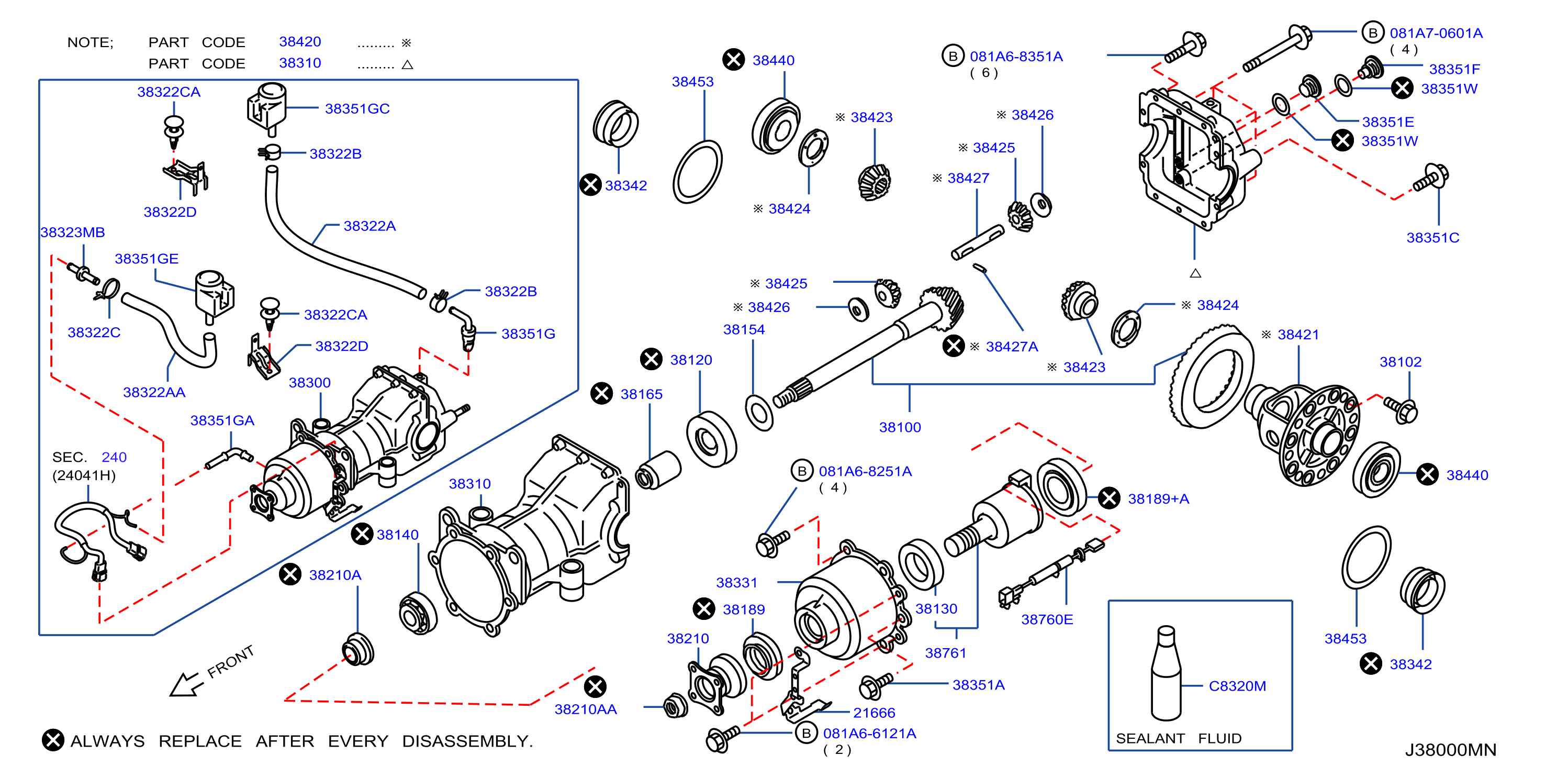
Replacing the rear differential on a Nissan Rogue might seem daunting, but with the right tools, knowledge, and a methodical approach, it’s a task that a confident DIY mechanic can tackle. This article provides a comprehensive guide to the process, assuming you have a solid understanding of basic automotive repair and safety procedures. Always remember to prioritize safety – use jack stands, wear eye protection, and disconnect the negative battery terminal before starting any work. This guide focuses on common model years, but slight variations may exist, so always consult your vehicle's specific repair manual.
Understanding the Rear Differential
Before we dive in, let's briefly discuss what the rear differential does and why it might need replacing. The differential is a crucial component of your vehicle's drivetrain, responsible for distributing engine power to the rear wheels while allowing them to rotate at different speeds, especially during turns. Without a differential, the inner wheel would have to spin at the same rate as the outer wheel, causing binding, tire wear, and potentially driveline damage.
Common reasons for rear differential replacement include:
- Excessive Wear and Tear: Over time, internal components like gears and bearings can wear down, leading to noise, vibration, and eventually failure.
- Damage from Lack of Lubrication: Running the differential with low or contaminated oil can accelerate wear and cause catastrophic damage. This is often signaled by a loud whining or howling noise.
- Physical Damage: Impacts from off-roading or accidents can crack the differential housing or damage internal components.
Tools and Materials Required
Having the right tools is essential for a smooth and successful rear differential replacement. Here's a list of what you'll likely need:
- New Rear Differential Assembly: Ensure it's the correct part number for your specific Nissan Rogue year and model. Double-check the gear ratio, which is crucial for proper vehicle operation.
- Jack and Jack Stands: Heavy-duty jack and sturdy jack stands are non-negotiable for safety.
- Wheel Chocks: To prevent the vehicle from rolling.
- Socket Set: Including metric sockets of various sizes (likely 10mm, 12mm, 14mm, 17mm, 19mm, etc.). Deep sockets can be helpful.
- Wrench Set: Metric wrenches to complement your socket set.
- Torque Wrench: Essential for tightening bolts to the manufacturer's specified torque.
- Breaker Bar: For loosening stubborn bolts.
- Impact Wrench (Optional but Recommended): Can save time and effort, especially for rusted bolts.
- Pry Bar: To help separate components.
- Hammer: For gentle persuasion when needed.
- Drain Pan: To catch the old differential fluid.
- Fluid Transfer Pump: For filling the new differential with fluid.
- New Differential Fluid: Use the specific fluid recommended in your vehicle's owner's manual or repair manual. Generally, a GL-5 rated 75W-90 gear oil is suitable, but always verify.
- Gloves: To protect your hands.
- Eye Protection: Safety glasses or goggles.
- Penetrating Oil (e.g., PB Blaster): To loosen rusted bolts.
- Shop Rags or Paper Towels: For cleaning up spills.
- Repair Manual: A vehicle-specific repair manual (e.g., Haynes or Chilton) is highly recommended for detailed instructions and torque specifications.
Step-by-Step Replacement Procedure
Follow these steps carefully, and remember to consult your repair manual for specific instructions and torque values for your Nissan Rogue model.
- Preparation:
- Park the vehicle on a level surface and engage the parking brake.
- Chock the front wheels securely.
- Loosen the lug nuts on the rear wheels.
- Disconnect the negative battery terminal.
- Raising the Vehicle:
- Use the jack to lift the rear of the vehicle.
- Securely place jack stands under the vehicle's frame rails. Never work under a vehicle supported only by a jack.
- Remove the rear wheels.
- Draining the Old Differential Fluid:
- Locate the drain plug on the bottom of the differential housing.
- Position the drain pan under the drain plug.
- Use a socket or wrench to remove the drain plug. Be prepared for fluid to gush out.
- Allow the fluid to drain completely.
- Clean the drain plug and install a new crush washer (if applicable).
- Tighten the drain plug to the manufacturer's specified torque.
- Disconnecting Components:
- Driveshaft: Disconnect the driveshaft from the differential. This usually involves removing several bolts. Mark the driveshaft and differential flange before removal to ensure proper alignment during reinstallation. You may need to use penetrating oil and a pry bar to separate the driveshaft.
- Axle Shafts: Disconnect the axle shafts from the differential. This might involve removing bolts holding the axles to the differential or disengaging them from the differential's side gears. Be careful not to damage the axle seals. Depending on your model, you might need to partially disassemble the rear suspension to gain access.
- Any Electrical Connectors: Disconnect any electrical connectors attached to the differential, such as those for the ABS or vehicle stability control system.
- Vent Hose: Locate and disconnect the differential vent hose.
- Removing the Old Differential:
- Support the differential with a jack to prevent it from falling when you remove the mounting bolts.
- Locate and remove the bolts that secure the differential to the vehicle's frame or suspension. These bolts can be very tight and may require a breaker bar or impact wrench.
- Carefully lower the differential using the jack. Be mindful of any hoses or wires that might be caught.
- Once the differential is clear, move it to a safe workspace.
- Preparing the New Differential:
- Inspect the new differential for any damage.
- If necessary, transfer any components from the old differential to the new one, such as brackets or sensors.
- Installing the New Differential:
- Raise the new differential into position using the jack.
- Align the differential with the mounting points on the vehicle's frame or suspension.
- Install the mounting bolts and tighten them to the manufacturer's specified torque.
- Reconnecting Components:
- Reconnect the axle shafts to the differential. Ensure they are properly seated and secured.
- Reconnect the driveshaft to the differential, aligning the marks you made earlier. Tighten the bolts to the manufacturer's specified torque.
- Reconnect any electrical connectors to the differential.
- Reconnect the differential vent hose.
- Filling the Differential with Fluid:
- Locate the fill plug on the differential housing.
- Remove the fill plug.
- Use a fluid transfer pump to fill the differential with the correct amount of fluid, as specified in your vehicle's owner's manual or repair manual.
- Once the fluid reaches the bottom of the fill plug hole, it's full.
- Install the fill plug and tighten it to the manufacturer's specified torque.
- Final Steps:
- Reinstall the rear wheels and tighten the lug nuts hand-tight.
- Lower the vehicle to the ground.
- Torque the lug nuts to the manufacturer's specified torque in a star pattern.
- Reconnect the negative battery terminal.
- Test Drive:
- Take the vehicle for a short test drive, listening for any unusual noises or vibrations.
- Check for leaks around the differential.
Important Considerations
- Gear Ratio: Ensure the replacement differential has the same gear ratio as the original. Using the wrong gear ratio can cause serious damage to your vehicle's drivetrain and affect its performance.
- Axle Seals: When disconnecting the axle shafts, be extremely careful not to damage the axle seals. Damaged seals will leak fluid, requiring further repairs. Consider replacing the seals preemptively while you have everything apart.
- Torque Specifications: Always use a torque wrench to tighten bolts to the manufacturer's specified torque. Over-tightening can damage the bolts or components, while under-tightening can lead to loosening and failure.
- Fluid Type: Using the wrong type of differential fluid can damage the internal components. Consult your vehicle's owner's manual or repair manual for the correct fluid specification.
- Rust and Corrosion: If you live in an area with harsh winters or salty roads, the bolts and components may be heavily rusted. Use penetrating oil liberally and be prepared to use a breaker bar or impact wrench to loosen stubborn bolts. Heat (applied carefully) can also sometimes help.
Troubleshooting
Here are some common issues you might encounter during a rear differential replacement and how to address them:
- Stuck Bolts: Apply penetrating oil and let it soak for several minutes before attempting to loosen the bolt. Use a breaker bar or impact wrench if necessary. Heating the bolt with a torch can also help, but be careful not to damage surrounding components.
- Damaged Axle Seals: If you damage an axle seal during the process, replace it immediately. A leaking seal will contaminate the differential fluid and can lead to premature wear.
- Difficulty Aligning the Driveshaft: Make sure the driveshaft is properly aligned with the differential flange. Rotate the driveshaft slightly to help align the bolt holes.
- Unusual Noises After Installation: If you hear unusual noises after installing the new differential, stop driving the vehicle immediately and investigate the cause. The noise could be due to incorrect gear ratio, improper installation, or a faulty differential.
Conclusion
Replacing the rear differential on a Nissan Rogue is a challenging but manageable task for a skilled DIY mechanic. By following these steps carefully, using the correct tools and materials, and paying attention to detail, you can successfully replace your differential and save money on labor costs. However, if you are not comfortable with any of these steps, it's always best to consult a qualified mechanic.