
Nissan Sentra Brake Light Bulb
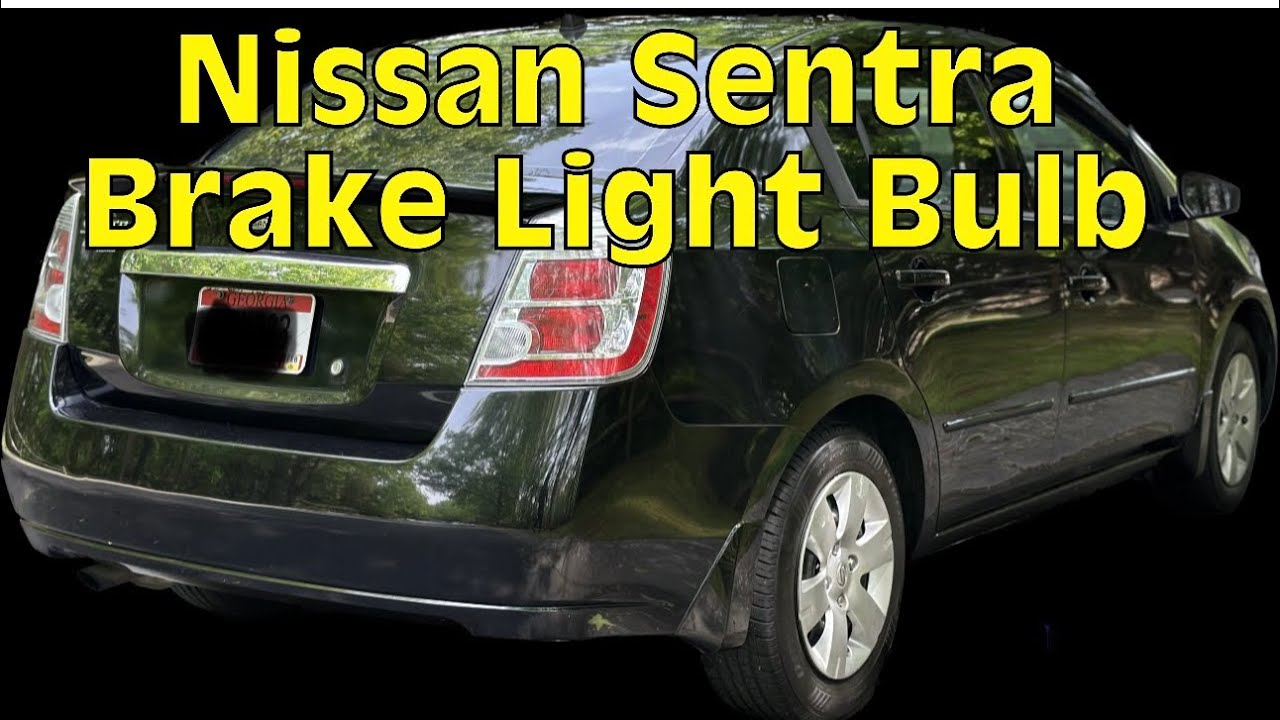
When it comes to vehicle safety, properly functioning brake lights are absolutely critical. They're your primary way of communicating your intention to slow down or stop to drivers behind you, helping to prevent accidents. A burnt-out Nissan Sentra brake light bulb is a common issue, but luckily, it's often a relatively simple and inexpensive fix. This article will guide you through everything you need to know about your Sentra's brake light bulbs, including how to identify a problem, the tools you'll need for replacement, a step-by-step guide to replacing the bulb, and tips for preventing future issues.
Identifying a Burnt-Out Brake Light Bulb
The first step is recognizing that you have a problem. Here's how to tell if your Nissan Sentra's brake light bulb needs replacing:
- Visual Inspection: This is the most straightforward method. Have someone stand behind your car while you press the brake pedal. Check both brake lights, and the high-mounted third brake light, if equipped. If one or more aren't illuminating, that's your culprit.
- Dashboard Warning Light: Some newer Sentra models may have a dashboard warning light that indicates a brake light malfunction. Consult your owner's manual to understand what the symbol looks like and its meaning.
- Erratic Driving Behavior from Other Drivers: While not a definitive indicator, if you notice cars behind you braking suddenly or maintaining an unusually large following distance, it could be a sign that your brake lights aren't working as they should.
- Reflections: Park your car facing a reflective surface (like a store window) and press the brake pedal. Observe the reflections to see if all brake lights are functioning.
Don't ignore a burnt-out brake light. It's a safety hazard and can also result in a ticket in many jurisdictions.
Tools and Materials Needed
Before you begin, gather the necessary tools and materials. This will make the process smoother and more efficient:
- Replacement Brake Light Bulb: This is the most important item! Make sure you get the correct bulb type for your specific year and model Nissan Sentra. Your owner's manual will specify this, or you can use an online auto parts retailer's vehicle look-up tool. Common bulb types include 7443, 1157, or LED equivalents. Check your manual.
- Screwdriver: You might need a Phillips head or flathead screwdriver to remove the taillight assembly.
- Pliers (Optional): Pliers can be helpful for gripping and removing stubborn bulb sockets.
- Gloves: Wearing gloves will protect your hands and prevent oil from your skin from getting on the new bulb. Oil can shorten the bulb's lifespan.
- Soft Cloth or Towel: Place this on the bumper to protect the paint while you're working.
- Owner's Manual: Your owner's manual contains valuable information about your vehicle, including the location of the brake lights and specific instructions for bulb replacement.
Step-by-Step Guide to Replacing the Brake Light Bulb
Here's a detailed guide to replacing the brake light bulb on your Nissan Sentra:
- Safety First: Turn off the engine and engage the parking brake. Place wheel chocks behind the wheels for added safety.
- Access the Taillight Assembly: The method for accessing the taillight assembly varies slightly depending on the year and model of your Sentra. In many cases, you'll need to open the trunk and locate an access panel or screws on the inside of the trunk lining, behind the taillight. Remove any screws or clips holding the panel in place. Your owner’s manual will provide the exact location for your vehicle.
- Remove the Taillight Assembly: Once the access panel is removed, you should be able to access the taillight assembly. There may be screws holding the assembly in place. Remove these screws carefully. Gently pull the taillight assembly away from the vehicle. It may be held in place by plastic clips, so be careful not to break them.
- Locate the Brake Light Bulb Socket: Identify the brake light bulb socket. It's typically a bayonet-style socket that you need to twist and pull to remove. The brake light bulb is usually the upper or middle bulb in the assembly (refer to your owner's manual if unsure).
- Remove the Old Bulb: Once you've removed the socket, gently pull the old bulb straight out. If it's stuck, try wiggling it slightly.
- Install the New Bulb: Insert the new brake light bulb into the socket. Make sure it's fully seated and oriented correctly. The bulb will usually only fit in one direction.
- Test the New Bulb: Before reassembling everything, test the new bulb. Turn on the ignition (but don't start the engine) and have someone press the brake pedal while you observe the light. If it doesn't illuminate, double-check that the bulb is properly seated and that you've used the correct bulb type.
- Reinstall the Socket: Once you've confirmed that the new bulb is working, reinsert the socket into the taillight assembly and twist it to lock it in place.
- Reinstall the Taillight Assembly: Carefully reattach the taillight assembly to the vehicle. Make sure it's properly aligned and secure. Reinstall any screws or clips that you removed.
- Reinstall the Access Panel: Reinstall the access panel in the trunk and secure it with the screws or clips.
- Test Again: Perform a final test of the brake lights to ensure everything is working correctly. Have someone press the brake pedal while you visually inspect all brake lights.
- Repeat for the Other Side (If Necessary): If both brake lights were out, repeat the process on the other side of the vehicle.
Important Note: If you're uncomfortable performing this task yourself, it's always best to take your car to a qualified mechanic. They can quickly and safely replace the brake light bulb and ensure that everything is working correctly.
Troubleshooting Tips
Sometimes, replacing the bulb doesn't solve the problem. Here are some common issues and troubleshooting tips:
- Check the Fuse: If the new bulb doesn't work, check the brake light fuse. The fuse box is usually located under the dashboard or in the engine compartment. Consult your owner's manual for the location of the brake light fuse. If the fuse is blown, replace it with a new one of the same amperage.
- Check the Socket: Inspect the bulb socket for corrosion or damage. If the socket is corroded, clean it with a wire brush or contact cleaner. If the socket is damaged, you may need to replace it.
- Check the Wiring: Inspect the wiring to the taillight assembly for damage or loose connections. If you find any damaged wiring, repair it or have it repaired by a qualified mechanic.
- Grounding Issue: A bad ground can also cause brake light problems. Check the ground connection for the taillight assembly to ensure it's clean and secure.
- Incorrect Bulb Type: Make sure you are using the correct bulb type for your vehicle. Using the wrong bulb can cause it not to work or even damage the electrical system.
Preventing Future Brake Light Bulb Issues
Here are some tips for preventing future brake light bulb problems:
- Use High-Quality Bulbs: Invest in quality brake light bulbs from a reputable brand. These bulbs tend to last longer and are more reliable.
- Avoid Touching the Bulb Glass: When handling new bulbs, avoid touching the glass with your bare hands. Oil from your skin can shorten the bulb's lifespan. Use gloves or a clean cloth.
- Regular Inspections: Periodically inspect your brake lights to ensure they are working correctly. This is especially important before long trips.
- Consider LED Bulbs: LED brake light bulbs are more energy-efficient and longer-lasting than traditional incandescent bulbs. While they may be more expensive upfront, they can save you money in the long run. Consider compatibility before switching.
- Check for Moisture: Moisture inside the taillight assembly can damage the bulbs and sockets. If you notice moisture, try to seal the assembly to prevent further water intrusion.
Regular maintenance and prompt attention to issues like a burnt-out brake light bulb are essential for safe driving. A properly functioning brake light system ensures that other drivers are aware of your intentions, reducing the risk of accidents. By following the steps outlined in this guide, you can confidently replace your Nissan Sentra brake light bulb and maintain a safe vehicle.
By being proactive and addressing brake light issues promptly, you can contribute to a safer driving environment for yourself and others. Remember, your vehicle's safety is paramount.