
Nissan Sentra Hood Won't Close All The Way
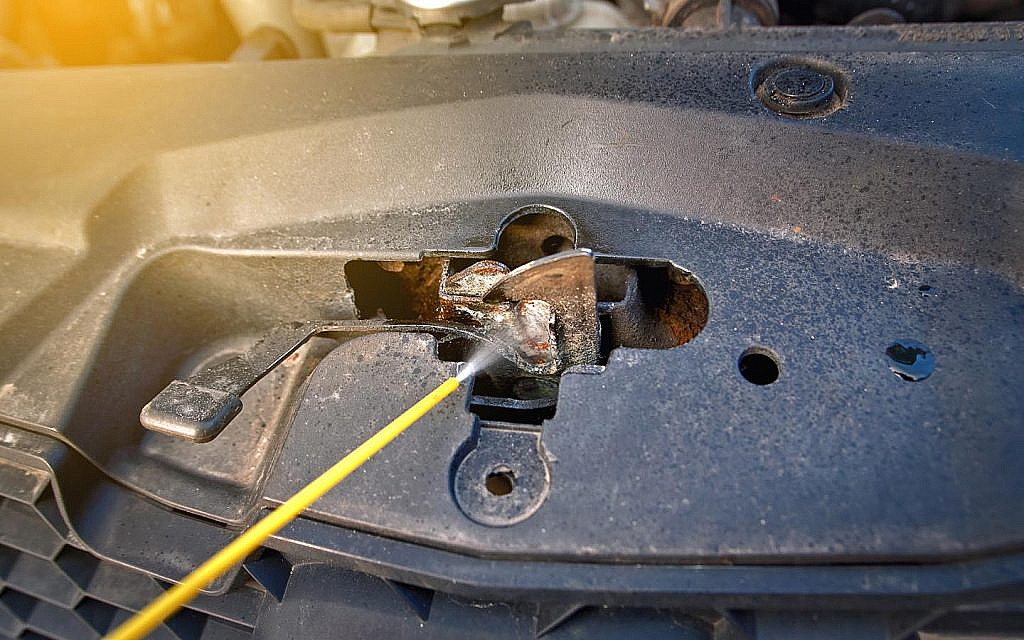
Hey there, Sentra owners! Having trouble getting your hood to latch properly? A hood that won't close all the way on your Nissan Sentra can be a real headache. Not only does it look bad, but it's also a safety concern. Driving around with a partially latched hood could lead to it flying open unexpectedly, obstructing your vision and potentially causing an accident. So, it's important to get this fixed. The good news is, it's often a relatively simple issue to diagnose and resolve. Let's walk through some of the common causes and solutions.
Understanding the Sentra Hood Latch System
First, let's get familiar with the basic components involved. The hood latch system on your Sentra consists of a few key parts:
- Hood Latch: This is the primary mechanism that secures the hood to the vehicle. It's usually located in the center, near the front grille.
- Hood Latch Cable: This cable connects the interior hood release lever to the hood latch. When you pull the lever inside the car, it pulls the cable, which releases the latch.
- Hood Strut/Support Rod: While not directly related to the latching mechanism, the hood strut (or support rod on older models) holds the hood open once it's released.
- Hood Bump Stops: These are adjustable rubber bumpers located on either side of the hood near the front. They help align the hood and prevent it from rattling when closed.
Common Causes & Solutions for a Sentra Hood That Won't Close
1. Obstruction in the Latch Mechanism
This is a very common culprit. Road grime, leaves, debris, or even old grease can accumulate in the hood latch mechanism, preventing it from fully engaging. Think of it like a sticky door lock – it just won't catch properly.
Solution:
- Inspect the Latch: Carefully examine the hood latch mechanism for any visible obstructions. Use a flashlight to get a good look.
- Clean the Latch: Use a penetrating oil like WD-40 or a dedicated latch lubricant to loosen any grime. Spray it generously into the latch mechanism and let it sit for a few minutes.
- Work the Latch: Use a screwdriver or similar tool to manually move the latch mechanism back and forth. This will help the lubricant penetrate and dislodge any debris. You might need to use some pliers to get good leverage.
- Wipe Away Excess: Once you've worked the latch, wipe away any excess lubricant and grime with a clean rag.
- Test the Latch: Try closing the hood to see if it latches properly. If not, repeat the cleaning process.
- Lubricate: After cleaning, apply a small amount of grease to the latch mechanism to keep it working smoothly. White lithium grease works well.
Tools Needed: Screwdriver, pliers (optional), penetrating oil/latch lubricant, grease, clean rag, flashlight.
Approximate Cost: $5-10 for lubricant and grease (if you don't already have them).
2. Stretched or Damaged Hood Latch Cable
Over time, the hood latch cable can stretch or become damaged, preventing it from fully releasing the latch when you pull the interior release lever. This means the latch might not be resetting to its fully open position, making it difficult to close the hood securely.
Solution:
- Inspect the Cable: Have someone pull the interior hood release lever while you observe the hood latch mechanism. See if the cable is moving smoothly and fully releasing the latch. Look for any kinks, bends, or fraying in the cable.
- Adjust the Cable (If Possible): Some Sentras have a cable adjustment mechanism near the latch or the release lever. If you find one, try tightening the cable slightly. This can sometimes compensate for stretching. Be careful not to over-tighten, as this could prevent the hood from opening at all.
- Replace the Cable: If the cable is severely stretched, damaged, or if adjusting it doesn't solve the problem, you'll need to replace it. This is a slightly more involved repair.
Tools Needed: Screwdriver set, pliers, replacement hood latch cable (if needed).
Approximate Cost: $15-50 for a replacement cable (depending on the source). Labor cost for replacement at a mechanic can range from $50-$150.
3. Misaligned Hood Latch or Striker
The hood latch itself or the striker (the part on the hood that the latch engages with) might be misaligned. This can happen due to minor accidents, bodywork, or even just vibrations over time. If they're not properly aligned, the latch won't be able to engage fully.
Solution:
- Inspect the Alignment: Visually inspect the alignment of the hood latch and the striker. Look for any obvious signs of misalignment. Are they centered? Does the striker appear to be hitting the latch squarely?
- Loosen and Adjust: The hood latch and/or striker are usually held in place by bolts. Loosen these bolts slightly (just enough to allow for some movement).
- Adjust the Position: Carefully adjust the position of the latch or striker. You might need a helper to hold the hood down slightly while you make adjustments. Trial and error is often required here. Make small adjustments and test the hood closure after each adjustment.
- Tighten the Bolts: Once you're satisfied with the alignment, tighten the bolts securely.
Tools Needed: Socket set or wrenches.
Approximate Cost: $0 (if you can do it yourself). If you need a body shop to adjust the alignment, it could cost $50-$100.
4. Damaged or Bent Hood
In more severe cases, the hood itself might be damaged or bent, preventing it from closing properly. This is usually the result of an accident or other impact.
Solution:
If the damage is minor, you might be able to carefully bend the hood back into shape. However, this is best left to professionals. Attempting to repair a damaged hood yourself could worsen the problem or even compromise the structural integrity of the hood.
Consult a Body Shop: The best course of action is to take your Sentra to a reputable body shop. They have the tools and expertise to properly assess the damage and make the necessary repairs. In some cases, the hood might need to be replaced.
Tools Needed: None (for DIY attempts, which are not recommended). A body shop will have specialized tools.
Approximate Cost: Varies greatly depending on the extent of the damage. A simple dent repair might cost $100-$300, while a hood replacement could cost $500-$1500 or more.
5. Incorrectly Adjusted Hood Bump Stops
The hood bump stops are the small rubber bumpers on either side of the hood. If they're adjusted too high, they can prevent the hood from latching properly, even if the latch mechanism is working fine.
Solution:
- Locate the Bump Stops: Find the adjustable rubber bump stops on either side of the hood, near the front.
- Adjust the Height: Try turning the bump stops counterclockwise to lower them. Make small adjustments and test the hood closure after each adjustment. You want the bump stops to provide support for the hood when it's closed, but not to prevent it from latching.
Tools Needed: None (usually adjustable by hand).
Approximate Cost: $0.
Safety First!
Always exercise caution when working on your vehicle. Disconnect the negative battery terminal before performing any electrical work. Wear safety glasses to protect your eyes from debris. If you're not comfortable performing any of these repairs yourself, it's always best to consult a qualified mechanic.
When to Call a Professional
While many hood latch issues can be resolved with some basic troubleshooting, there are times when it's best to seek professional help. If you've tried the above solutions and your hood still won't close properly, or if you suspect there's a more serious underlying problem (like frame damage), take your Sentra to a trusted mechanic or body shop. They can diagnose the issue accurately and perform the necessary repairs to ensure your safety and the integrity of your vehicle.
Hopefully, this guide helps you diagnose and fix your Sentra's hood latch issue. Good luck, and drive safely!