
Nissan Sentra Undercarriage Plastic Cover
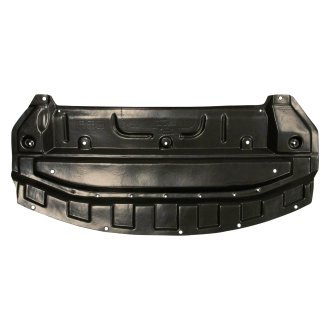
Let's talk about the unsung hero of your Nissan Sentra's undercarriage: the plastic cover, often referred to as an underbody panel or splash shield. It's easy to overlook, but this piece of plastic plays a crucial role in your car's performance, fuel efficiency, and overall longevity. We'll dive into its function, materials, common issues, repair options, and even some potential modifications you might consider.
Why Does My Sentra Need a Plastic Undercarriage Cover?
The primary functions of this cover are multifaceted. It's not just a cosmetic piece; it actively contributes to several key areas:
- Aerodynamics: This is arguably the most significant benefit. The cover smooths out the airflow beneath the car, reducing drag. Think of it like this: a smooth surface allows air to pass more easily than a rough, uneven one. By minimizing turbulence and aerodynamic drag, the engine works less hard to maintain speed, resulting in improved fuel economy. While the gains may seem small on a short trip, they add up significantly over time, especially at highway speeds.
- Protection: The cover acts as a barrier against road debris such as rocks, gravel, salt, and water. These projectiles can damage sensitive components like the engine oil pan, exhaust system, catalytic converter, and wiring harnesses. The plastic shield absorbs the impact, preventing or minimizing potential damage.
- Sound Dampening: While not its primary purpose, the cover can contribute to a slightly quieter ride. It helps to absorb and deflect some of the road noise that would otherwise reverberate off the undercarriage.
- Corrosion Prevention: By shielding the undercarriage from moisture and salt, the cover helps to prevent rust and corrosion, especially in areas prone to harsh weather conditions. This is particularly important for components like the suspension and brake lines.
- Engine Temperature Regulation: The cover can influence engine temperature by directing airflow. It can help to maintain a more consistent temperature, which can improve engine efficiency and prolong the life of various engine components.
Materials and Construction
Typically, these undercarriage covers are made from a durable, impact-resistant plastic. Common materials include:
- Polypropylene (PP): This is a very common and cost-effective choice. It's lightweight, resistant to chemicals, and offers decent impact resistance. However, it can become brittle over time, especially when exposed to extreme temperatures.
- High-Density Polyethylene (HDPE): HDPE is a stronger and more durable option than PP. It offers better impact resistance and is less prone to cracking. It's often used in areas that are more likely to come into contact with road debris.
- Acrylonitrile Butadiene Styrene (ABS): ABS is known for its rigidity and impact resistance. While sometimes used alone, it's more often blended with other plastics to improve their properties.
- Composite Materials: Some aftermarket or high-performance covers may utilize composite materials like fiberglass or carbon fiber for increased strength and weight reduction. These are typically more expensive options.
The cover is typically secured to the undercarriage using a combination of plastic clips, screws, and bolts. The mounting points are strategically placed to ensure a secure and stable fit. The design often incorporates ribs and contours to add strength and rigidity to the panel.
Common Issues and Troubleshooting
Despite being made of durable plastic, the undercarriage cover is susceptible to damage and wear over time. Here are some common issues you might encounter:
- Cracks and Breaks: Impact from road debris, hitting potholes, or driving over curbs can cause cracks and breaks in the plastic.
- Loose or Missing Fasteners: The plastic clips and screws that secure the cover can become loose, damaged, or lost over time. This can cause the cover to sag or drag, leading to further damage.
- Sagging or Dragging: This is often a symptom of loose fasteners or cracks in the cover. A sagging cover can scrape against the road, causing damage to both the cover and the undercarriage.
- Oil or Fluid Leaks: While the cover itself doesn't leak, it can trap oil or other fluids that are leaking from the engine or transmission. This can make it difficult to diagnose the source of the leak and can also damage the plastic over time.
- Deformation due to Heat: In rare cases, especially if the cover is too close to the exhaust system, it can deform or melt due to excessive heat.
Troubleshooting Tips:
- Visual Inspection: Regularly inspect the undercarriage cover for any signs of damage, such as cracks, breaks, sagging, or loose fasteners.
- Listen for Noises: Pay attention to any unusual noises coming from under the car, such as scraping, rattling, or flapping. These noises could indicate a loose or damaged cover.
- Check for Fluid Leaks: Look for signs of oil or fluid leaks on the cover or the surrounding area. If you find a leak, investigate the source immediately.
Repair and Replacement Options
Depending on the severity of the damage, you have several options for repairing or replacing your Sentra's undercarriage cover:
- Repairing Cracks: Small cracks can sometimes be repaired using plastic epoxy or a plastic welding kit. Clean the area thoroughly before applying the repair material. Reinforce the repair with fiberglass mesh for added strength. This is a good option for minor damage but may not be suitable for larger cracks or breaks.
- Replacing Fasteners: If the fasteners are loose or missing, replace them with new ones. You can typically find replacement clips and screws at auto parts stores or online. Ensure you get the correct size and type of fastener for your Sentra.
- Replacing the Entire Cover: If the cover is severely damaged, the best option is to replace it with a new one. You can purchase aftermarket covers online or from auto parts stores. OEM (Original Equipment Manufacturer) covers are also available, but they tend to be more expensive.
Replacement Process:
- Safety First: Always wear safety glasses and gloves when working under your car. Use jack stands to support the vehicle safely. Never work under a car supported only by a jack.
- Remove the Old Cover: Locate and remove all the fasteners securing the old cover. You may need to use a screwdriver, socket wrench, or pliers. Be careful not to damage any surrounding components.
- Clean the Mounting Surface: Clean the area where the new cover will be installed. Remove any dirt, debris, or rust.
- Install the New Cover: Align the new cover with the mounting points on the undercarriage. Secure it using the new fasteners. Ensure that all fasteners are tightened properly, but don't overtighten them, as this can damage the plastic.
Aftermarket Options and Modifications
For the DIY enthusiast or someone looking for an upgrade, there are several aftermarket options and modifications you might consider:
- Metal Skid Plates: For added protection, especially if you frequently drive on rough roads, you can replace the plastic cover with a metal skid plate. These are typically made from steel or aluminum and offer much greater resistance to impact and abrasion.
- Upgraded Plastic Covers: Some aftermarket companies offer undercarriage covers made from more durable plastics or composite materials. These covers offer improved protection and longevity compared to the OEM cover.
- Custom Fabrication: For the truly ambitious, you can fabricate your own undercarriage cover using materials like aluminum or steel. This allows you to customize the design to suit your specific needs and preferences.
- Aerodynamic Modifications: Some aftermarket companies offer aerodynamic enhancements that integrate with the undercarriage cover. These modifications can further improve fuel efficiency and handling. Examples include adding a front splitter or rear diffuser. Keep in mind these are much more effective when combined with other aero modifications and proper suspension tuning.
Final Thoughts
The plastic undercarriage cover on your Nissan Sentra is a vital component that protects your car and improves its performance. By understanding its function, materials, common issues, and repair options, you can keep it in good condition and ensure that it continues to provide the benefits it was designed for. Whether you choose to repair, replace, or upgrade your cover, remember to prioritize safety and use the correct tools and techniques. A well-maintained undercarriage cover is a small investment that can save you money and headaches in the long run.